




Strawberry 'Elsanta'
The Classic Supermarket Strawberry, Grown at Home
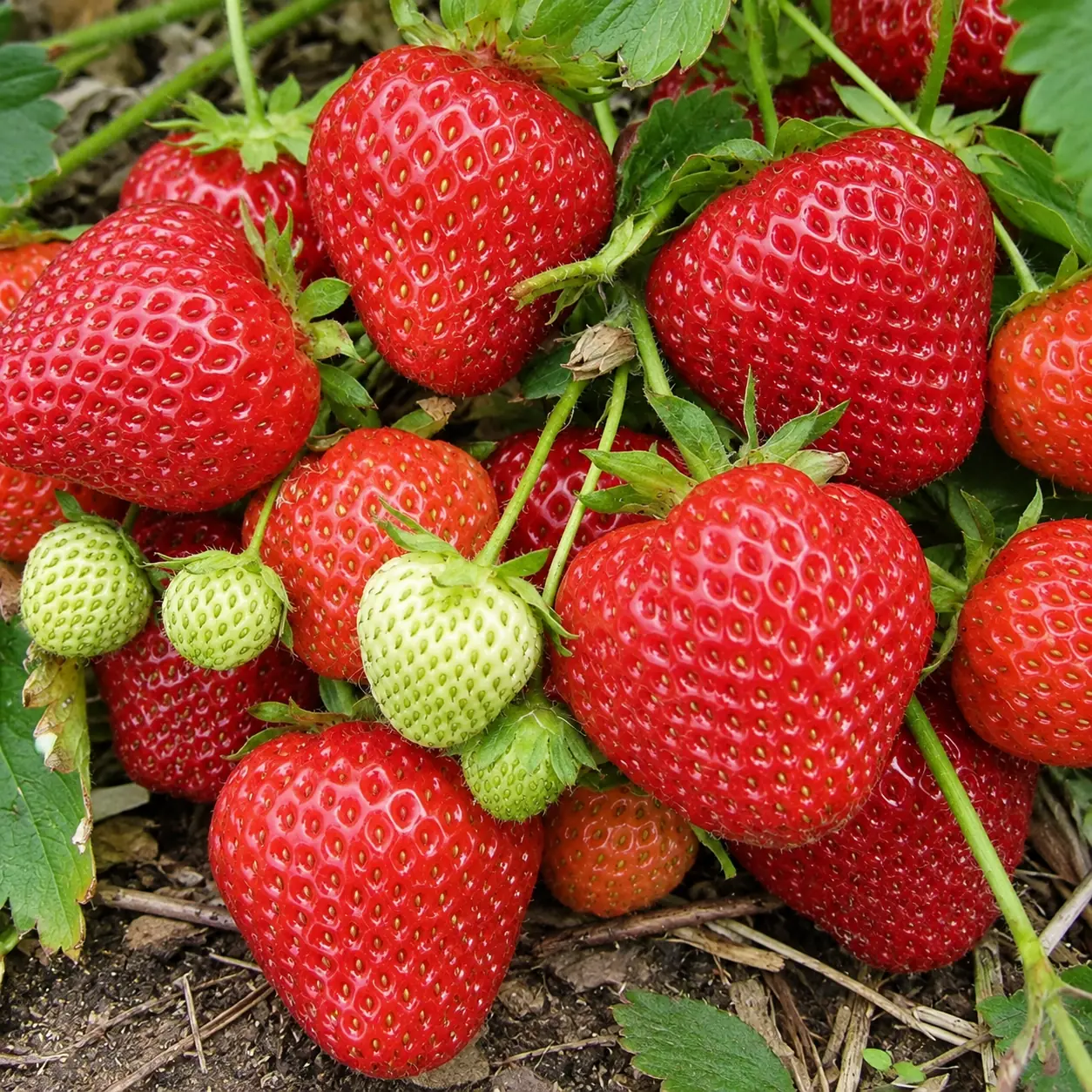
Strawberry 'Elsanta' is one of the most famous strawberries in the world. If you've bought strawberries from a British supermarket, there's a very good chance you've eaten it. This Dutch-bred variety has been the UK's leading commercial strawberry for decades. Its large, glossy, firm berries look fantastic, keep well and travel without bruising.
Grow it at home, though, and you'll discover what 'Elsanta' can really do. Picked fully ripe on a sunny day, straight from your own garden, the berries have a much sweeter, richer flavour and a lovely strawberry fragrance you won't find in shop-bought fruit. It's a vigorous, heavy-cropping, summer-fruiting variety that produces its main harvest in mid-summer. It's a great choice for gardeners who want generous crops of handsome, good-sized fruit.
Key Features
-
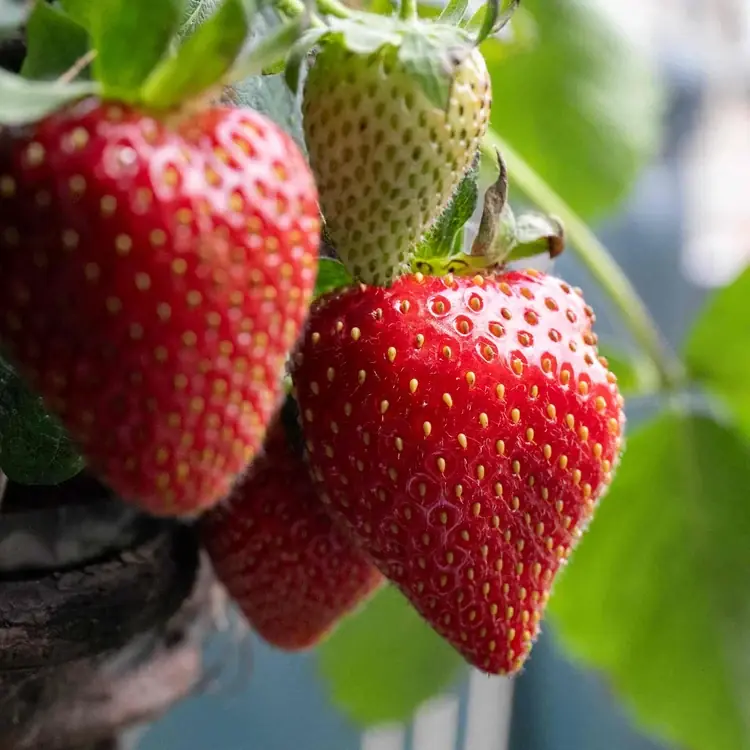
Large, glossy, bright orange-red berries with a classic conical shape
-
Sweet flavour and strong strawberry aroma when picked fully ripe
-
Firm fruit that resists bruising and keeps well for several days after picking
-
Heavy, reliable crops from vigorous plants
-
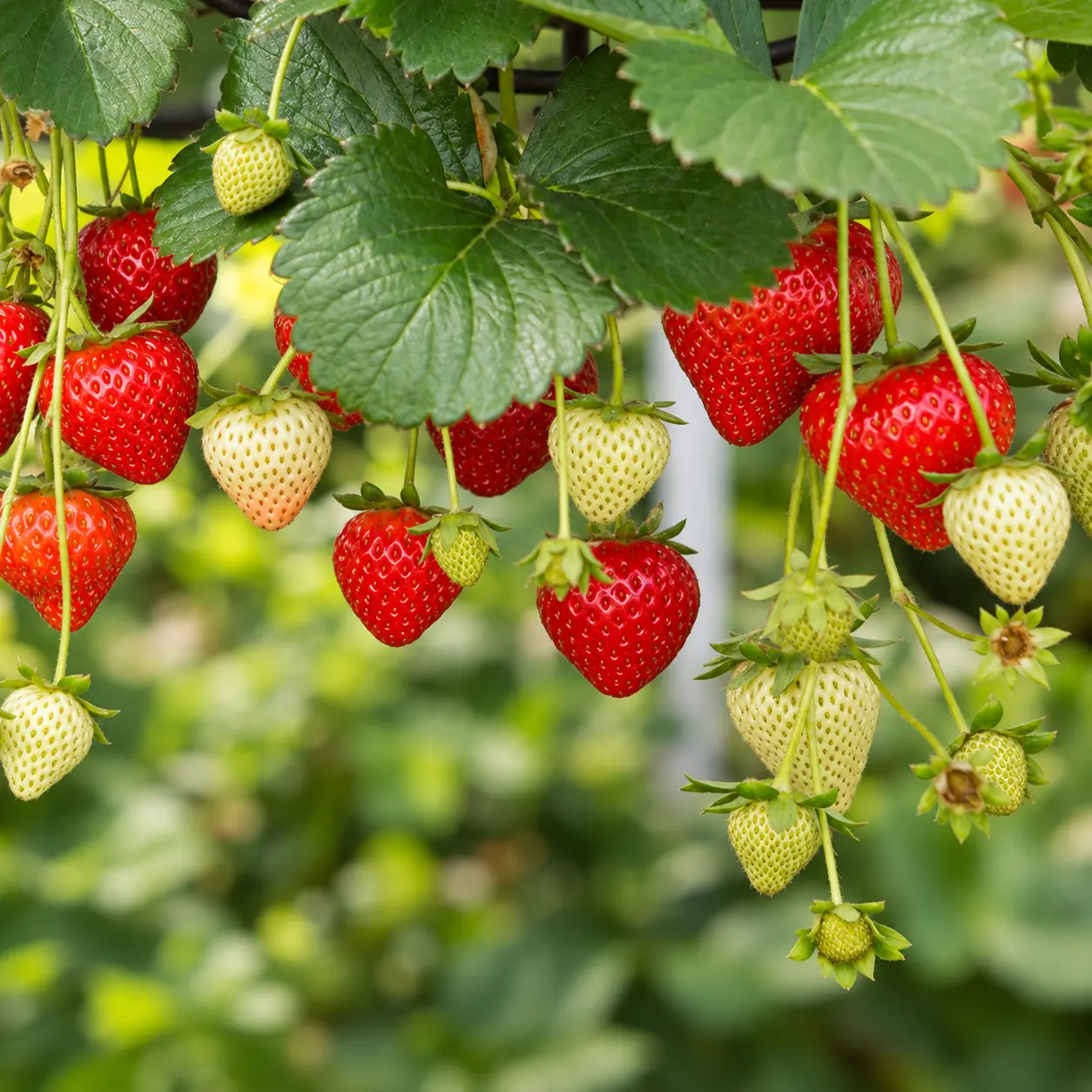
Mid-season cropping, typically from mid-June through July
-
Grows well in beds, raised beds, containers and growbags
-
Excellent for eating fresh, as well as for jams and desserts
-
Attractive large white flowers, which are also popular with bees and other pollinators
Size and Growth
'Elsanta' is a vigorous but tidy plant with deep green leaves. It typically grows to around 30 centimetres tall, with a similar spread. It's a perennial and will crop for several years, with the best yields usually in its first two or three summers. After that, crops tend to decline, so it's a good idea to replace plants every three years or so with fresh, healthy stock.
Where to Plant
'Elsanta' rewards good growing conditions, so it's worth choosing and preparing its spot carefully.
-
Position: Full sun is essential for the best flavour and heaviest crops. Aim for at least six hours of direct sunlight a day.
-
Soil: It prefers a rich, fertile, moisture-retentive but well-drained soil. Dig in plenty of garden compost or well-rotted manure before planting. Raised beds are a great option if your soil is heavy or tends to stay wet.
-
Shelter: An open but sheltered spot is ideal. It lets pollinators reach the flowers and keeps plants out of cold winds, while still giving good airflow to help prevent disease.
-
Crop rotation: This is especially important for 'Elsanta'. Avoid planting where strawberries, potatoes, tomatoes, peppers or aubergines have grown in recent years, as the soil may harbour diseases such as verticillium wilt.
Growing in Containers
'Elsanta' grows very well in pots, troughs and growbags. Container growing is actually a great way to grow it, because fresh compost avoids any soil-borne disease problems in the garden. Use a good-quality multi-purpose compost. Allow one plant per 15 to 20 centimetre pot, or around three plants per growbag. Water regularly, as containers dry out quickly, especially in warm weather. Growing in pots also keeps the fruit clean and off the ground, and makes it harder for slugs to reach. It's also easy to move plants into a greenhouse or polytunnel for an earlier crop.
Planting Guide
Strawberries can be planted in spring, or from late summer to early autumn. Planting in late summer gives plants a chance to settle in before winter and usually leads to a good crop the following summer.
-
Prepare the bed by digging in plenty of garden compost or well-rotted manure.
-
If you're planting bare-root runners, soak the roots in water for about 20 minutes before planting.
-
Dig a hole wide enough to spread the roots out comfortably.
-
Set the plant so the crown (the point where the leaves meet the roots) sits level with the soil surface. Planting too deeply can cause rotting, while planting too shallow can let the roots dry out.
-
Firm the soil gently and water well.
-
Space plants 30 to 45 centimetres apart, with around 75 centimetres between rows.
Care and Maintenance
Watering
Keep the soil evenly moist, particularly during dry spells and while the fruit is swelling. Water at the base of the plants rather than over the leaves and fruit, as this helps reduce mould and mildew. Watering in the morning is best. Avoid overwatering as the fruit ripens, as this can dilute the flavour.
Feeding
Once the flowers appear, feed every one to two weeks with a high-potash liquid fertiliser, such as tomato feed. This helps the plant produce plenty of flowers and well-flavoured fruit.
Protecting the Fruit
As the berries develop, tuck straw or strawberry mats underneath the plants. You can also plant through a weed-suppressing membrane. This keeps the fruit clean, stops it sitting on damp soil and helps to deter slugs. Cover plants with netting to keep birds off the ripening crop.
Runners
During the fruiting season, snip off runners as they appear so the plant puts its energy into producing fruit. If you want new plants, you can let a few runners root into small pots of compost and cut them free once established. Only take runners from strong, healthy-looking plants.
After Harvest
Once cropping has finished, cut the old leaves back to a few centimetres above the crown, taking care not to damage the crown itself. Clear away old straw and debris, and remove any remaining runners. This tidy-up encourages fresh, healthy growth and helps stop pests and diseases carrying over into next year.
With good soil preparation, crop rotation and regular care, 'Elsanta' will reward you with an excellent harvest.
Harvesting and Enjoying Your Strawberries
The secret to great-tasting 'Elsanta' is patience. Leave the berries on the plant until they're fully coloured all over, and pick them on a warm, dry day when the flavour is at its peak. During the main season, check your plants every day or two, and pick with the green stalk still attached to help the berries keep. Thanks to their firmness, 'Elsanta' berries store well for a few days in the fridge. They're perfect for serving with cream, topping pavlovas and cheesecakes, dipping in chocolate or making into jam.
Why Choose Strawberry 'Elsanta'?
'Elsanta' is a proven variety that gives heavy crops of large, beautiful, glossy berries. It's the strawberry that set the standard for British supermarkets, and grown at home and picked fully ripe, it has a flavour that shop-bought fruit simply can't match. If you're happy to give it a sunny spot, good soil and a little care, 'Elsanta' will fill your bowls with classic summer strawberries.
Buying Fruit Trees/Bushes from Jacksons Nurseries
Our trees might be Freshly Potted and the root system may not be fully established, and loose soil may occur when unpacking.
Unlike many garden centres, supermarkets and some nurseries here at Jacksons Nurseries we sell the majority of our stock all year round. Our stock is for the most part grown outdoors making it far hardier than those grown under glass and/or only sold ‘In Season’.
Here at Jacksons Nurseries we would favour a hardy outdoor grown plant every time. They are far less likely to suffer from the shock of being planted in colder conditions and they will begin to establish more rapidly the following spring. This can mean that they don’t look like a ‘picture perfect’ plant when purchased out of season but with the correct care and a little time you’ll have a wonderful plant to enjoy for many years to come.
No posts found
| Size | Availability | Price | ||
|---|---|---|---|---|

|
In stock
|
£5.99 |