



White Willow Bare Root - Salix Alba
The White Willow is a majestic native tree renowned for its graceful, weeping habit and silvery foliage that shimmers in the breeze. Fast-growing and incredibly adaptable, this impressive specimen thrives in wet conditions where other trees struggle, making it perfect for pond-side planting, damp areas, or creating a striking focal point. With its elegant form, wildlife value, and traditional associations with British waterways, this bare root tree offers excellent value and establishes readily to provide years of beauty.
Key Features
- Native British tree – perfectly adapted to our climate
- Silvery foliage – leaves have distinctive white undersides that catch the light
- Fast-growing – quickly creates impact and screening
- Loves wet conditions – thrives in damp soil where other trees fail
- Graceful habit – elegant, drooping branches create a romantic silhouette
- Wildlife haven – supports numerous insects, particularly moths and butterflies
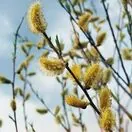
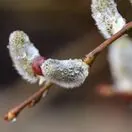
- Early catkins – golden-yellow catkins provide spring interest and early nectar
- Traditional uses – historically important for basket-making and medicine
- Excellent for coppicing – can be managed to produce colourful young stems
- Bare root format – economical and environmentally friendly, available November to March
Growing Conditions
- Soil type: Tolerates most soils but prefers heavy, moisture-retentive soil; excellent in wet, waterlogged conditions
- Position: Full sun to partial shade
- Hardiness: Fully hardy (RHS H7)
- Aspect: Any, tolerates exposed sites
- Moisture: Moist to wet; thrives in waterlogged soil
Size & Growth
- Mature height: 15-25 metres (can be kept smaller through coppicing or pollarding)
- Mature spread: 8-15 metres
- Growth rate: Fast (60-100cm per year when young)
- Time to maturity: 15-20 years to significant size
Planting Your Bare Root White Willow
When to plant: November through March, whilst the tree is dormant and the ground isn't frozen
Planting tips:
- Soak roots in water for 2-4 hours before planting
- Dig a hole twice the width of the root system
- Plant at the same depth as the soil mark on the stem
- Backfill with native soil (no amendments needed in wet areas)
- Water thoroughly after planting, though this tree loves moisture
- Apply a mulch around the base
- Stake for the first 2-3 years in exposed locations
- Ideal for planting near water features, ponds, or streams
Care & Maintenance
- Water regularly during the first growing season, though established trees cope well with wet conditions
- No feeding required in moisture-retentive soils
- Can be left to grow naturally or managed through coppicing/pollarding
- Coppicing: Cut to ground level every 1-3 years for colourful young stems
- Pollarding: Cut back to the main trunk at 1-2 metres height for manageable size
- Prune only during the dormant season (November-March)
- Fast-growing roots – plant away from drains, buildings, and infrastructure
- Generally pest and disease-free, though may be affected by willow anthracnose in wet seasons
Seasonal Interest
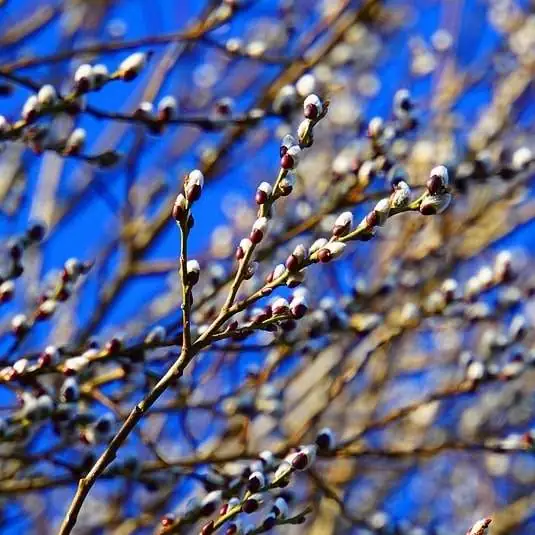
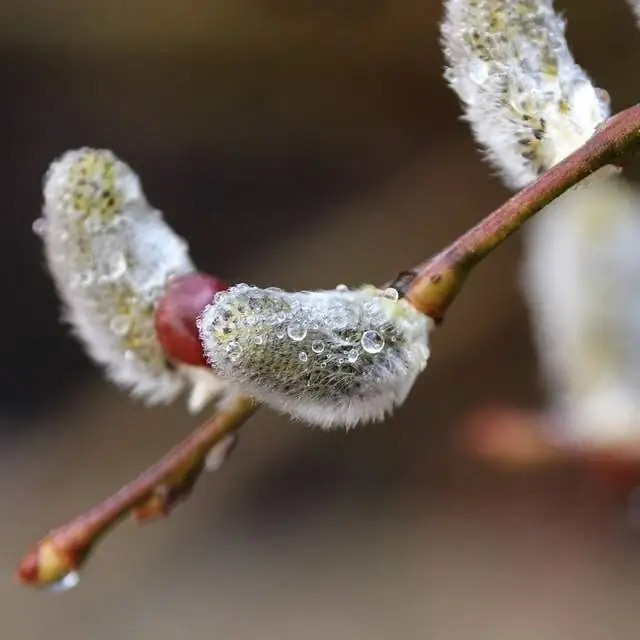
Early Spring (February-March): Golden-yellow catkins appear before the leaves, providing crucial early nectar for bees
Spring: Fresh, narrow leaves emerge bright green
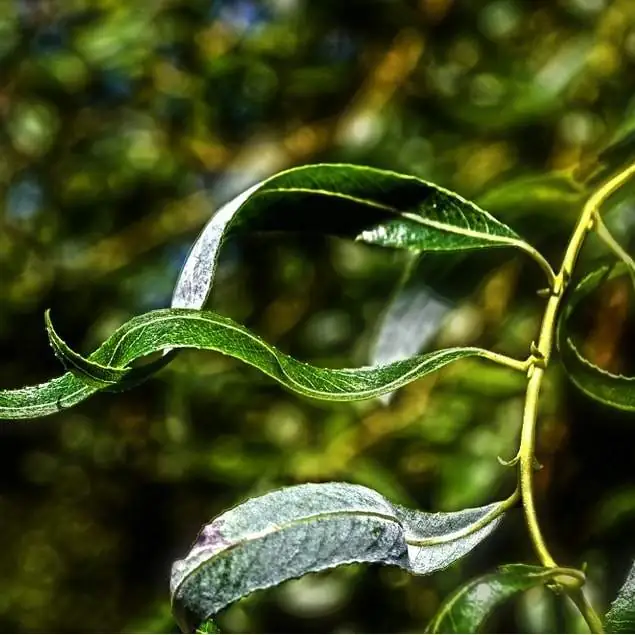
Summer: Mature foliage turns silvery-grey with white undersides, creating a beautiful shimmering effect in the breeze
Autumn: Leaves turn yellow before falling, though colour is often subtle
Winter: Elegant bare branches create an architectural silhouette; young stems may show yellow-olive colour
Wildlife Benefits
White Willow is exceptional for supporting wildlife:
- Early catkins provide vital nectar and pollen for bees and other insects emerging in late winter
- Supports over 450 species of insects, including numerous moth and butterfly species
- Host plant for many specialist willow-feeding insects
- Provides nesting sites for birds in mature specimens
- Dense growth offers shelter and roosting sites
- Fallen leaves support aquatic invertebrates in waterside plantings
Ideal For
- Pond and stream-side planting
- Wet, waterlogged areas
- Creating fast screening or shelter
- Large gardens and estates
- Wildlife gardens
- Naturalising in wild areas
- Traditional hedge-laying and basket-making
- Coppicing for coloured stems
- Historic or period gardens
- Specimen tree planting
Traditional Uses & Interest
- Historical significance: Traditionally pollarded along British waterways and field boundaries
- Basket-making: Young stems used for traditional willow weaving and basketry
- Medicine: Bark contains salicin, the natural compound that led to the development of aspirin
- Cricket bats: The variety Salix alba var. caerulea (Cricket Bat Willow) is specifically grown for bat production
- Erosion control: Extensive root system excellent for stabilising riverbanks
Management Options
Natural growth: Allow to develop into a large, graceful tree (requires significant space)
Coppicing: Cut to ground level every 1-3 years to produce colourful young stems for winter interest
Pollarding: Cut back to a main trunk at 1-2 metres height every 2-3 years to keep compact and manageable whilst producing decorative young growth
Things to Consider
- This is a large tree that needs plenty of space – plant at least 15 metres from buildings
- Very fast-growing with extensive root systems – avoid planting near drains, foundations, or hard surfaces
- Roots seek out water and can damage underground pipes
- Not suitable for small gardens unless regularly coppiced or pollarded
- May be subject to Tree Preservation Orders (TPOs) once mature – check local regulations
- Can cast significant shade when mature
- Best suited to rural or large suburban gardens
Design Ideas
- Waterside planting: Classic choice for pond margins and stream banks, reflecting beautifully in water
- Wildlife corridor: Plant alongside other native willows, alders, and wetland species
- Coppice garden: Manage for coloured winter stems alongside dogwoods and coloured-stem willows
- Historic recreation: Pollard to recreate traditional British countryside landscapes
- Fast screen: Plant in rows for quick privacy or windbreak (with regular management)
Why Choose Bare Root?
Bare root trees are lifted from the field during dormancy and supplied without soil around the roots. This traditional method offers several advantages:
- More economical than container-grown trees
- Better root development and establishment
- Lower carbon footprint (no plastic pots or compost)
- Available during the optimal planting season
- Willows establish particularly quickly from bare root
Why Choose White Willow?
A native tree with exceptional qualities:
- Problem-solver – thrives where other trees struggle in wet conditions
- Fast impact – rapid growth creates screening and structure quickly
- Wildlife superstar – supports more species than most other British trees
- Beautiful movement – silvery foliage creates a dynamic, ever-changing display
- Versatile – can be grown as a tree or managed as a shrub
- Traditional heritage – part of Britain's countryside character for centuries
- Early nectar – catkins provide food when little else is available
Create a haven for wildlife and bring graceful beauty to wet areas with White Willow – a fast-growing native that thrives where others fail, offering silvery foliage, elegant form, and centuries of traditional British charm.
For protection from pests consider Spiral Rabbit Guards or Tree Shelters.
Please see our bare root plant guides for more information. We've put together a collect of help and advice articles covering what bare root plants are, why they are a good choice, which plants are available bare root, when and where to plant.
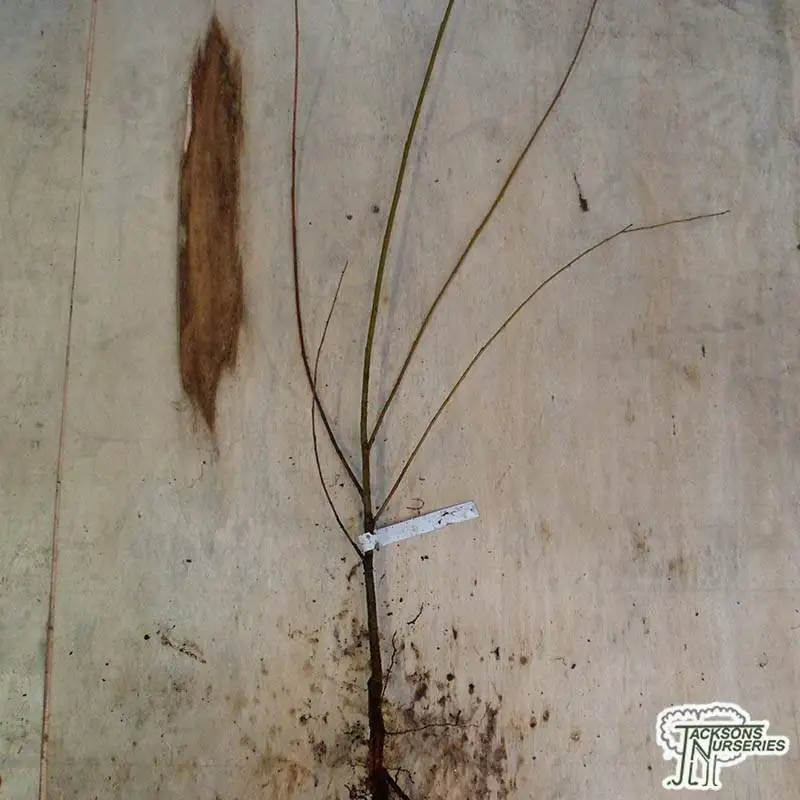
Deciduous plants supplied bare root during the dormancy period will not have any leaves at this time; top growth will just be brown and twiggy to start with and will come into leaf in the spring. This is perfectly normal. The plants we supply are healthy will an extensive root system. Please see the final picture for an illustration of how your plants will look when they are delivered.
Bare Root is usually dispatched between early November and late March. Exact dates vary year to year depending on the weather. We cannot guarantee availability for a certain date at the beginning or end of the season.
Important Bare Root Care
As soon as you receive your bare root plants place the items upright in a bucket of clean water immediately leaving them for at least 2 hours. Only take plants out as you need them for planting.
Q: When is bare root season?
A: Our bare root season usually runs from November to March but it can depend on the weather conditions, we'd always recommend buying at the end of autumn rather than waiting for spring.
Q: Does the plant size include the roots?
A: No, all bare root plant sizes quoted exclude the roots.
Q: What size plants will I receive?
A: Stock size varies through the season, our 'Plant Size' are give as a guide and you will receive plants somewhere in that range. We are unable to specify exactly how tall the plants will be within that range.
Q: How old will the plants be?
A: Most of our 'Plant Sizes' include the age of the plant, this is shown as a sum e.g. 1+2 which in this case would indicate that the plants are 3 years old. The first number is how long the plant has spent in the seedbed and the second is the number of year it has spent lined out in the field. Where the sum starts with a 0+ this indicates that the plants were grown from a rooted cutting.
Q: Can I get a discount for bulk purchases?
A: We offer a discount banding on bare root plants making them cheaper the more you buy, see the table on each page for details of the price within each band.
Q: Do I need canes?
A: Bamboo canes are perfect for giving young saplings, hedging plants, climbers and other tall shrubs the support they need when they start to establish. Unless you are planting in a completely sheltered spot with very little chance of wind then we would always recommend using a cane for support.
Q: Do I need rabbit guards?
A: Spiral Rabbit Guards are the most popular, low cost tree protection for young saplings, seedlings, transplants and hedging plants from browsing animals such as voles, mice, rabbits and hares. Spiral Rabbit Guards have the ability to grow and expand with the growing tree, providing a sheltered environment for the tree. It's hard to say for certain if you will require the extra protection a rabbit guard provides, if your are aware of a particular pest problem in your planting location then we would recommend using them. Rabbit Guards are not suitable for 'evergreens' please see 'Shrub Shelters' for a suitable evergreen protection method.
Q: What is a shrub/tree shelter?
A: Shrub/Tree Shelters are similar to rabbit guards but are designed for use on evergreens that would sweat and die in rabbit guards. We supply shrub/tree shelters as a kit which includes the shelter, 1 Stake and 2 cable ties, one kit is required per plant.
Q: Do I need shrub/tree shelters?
A: If you are aware of any specific pest problems in your planting area then we would recommend using a shrub/tree shelter to give your young trees or hedging plants that extra protection.
| Plant Size | Availability | Price | ||
|---|---|---|---|---|

|
In stock
|
£1.16 |