



Rosa Glauca Bare Root (Red-leaved Rose)
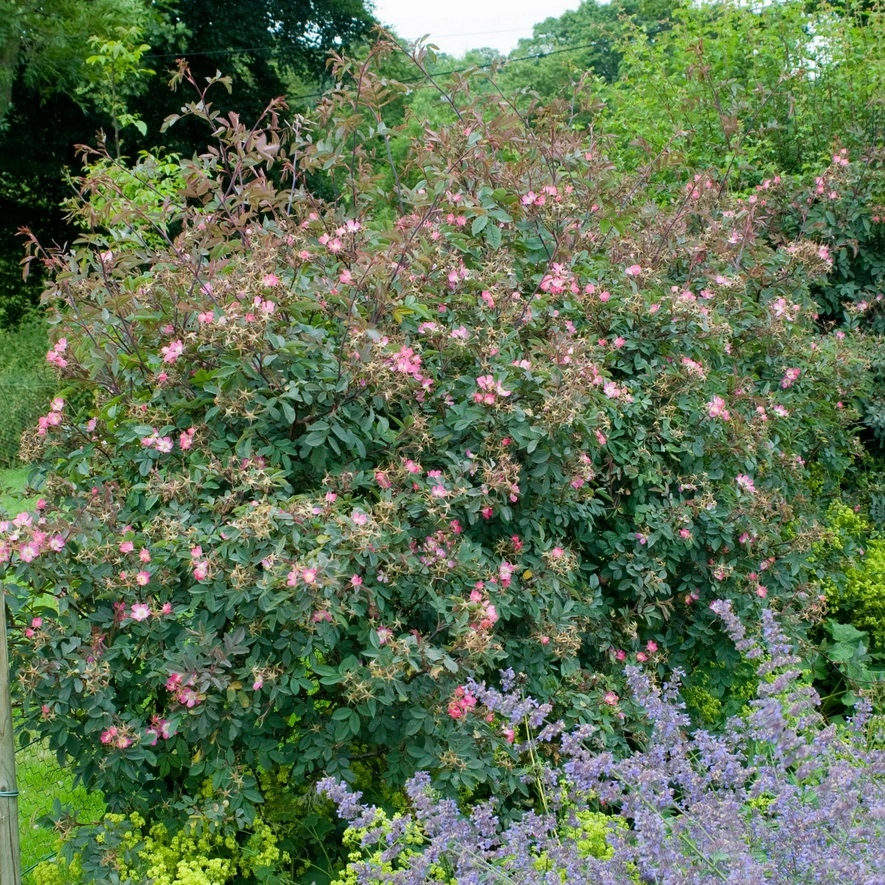
Rosa glauca is an outstanding shrub rose that offers far more than just flowers. Grown primarily for its stunning blue-grey foliage with purple-red stems, this elegant rose provides year-round interest and architectural beauty. With delicate pink flowers in summer, abundant red hips in autumn, and virtually no maintenance requirements, this bare root specimen is perfect for gardeners seeking something special and different from traditional roses.
Key Features
-
Exceptional foliage – unique blue-grey leaves with purple undertones
-
Purple-red stems – striking colour throughout the year
-
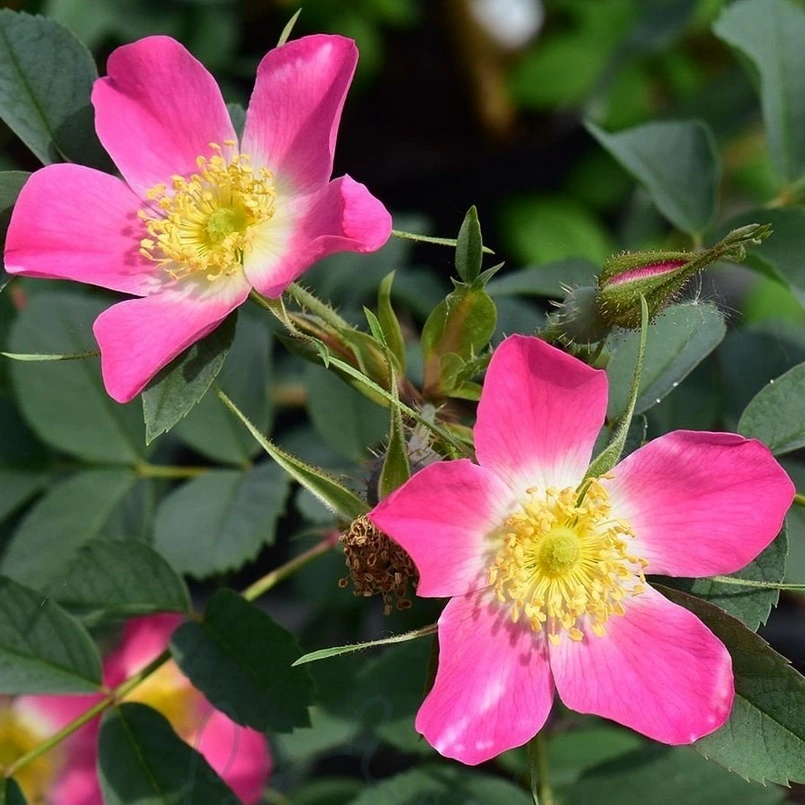
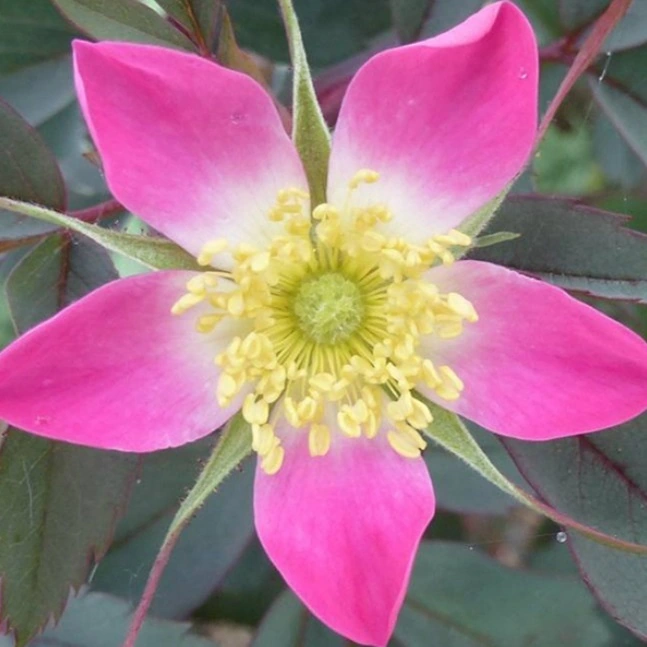
Delicate flowers – soft pink blooms with white centres in early summer
-
Abundant rosehips – clusters of oval red hips in autumn and winter
-
Award-winning – RHS Award of Garden Merit for outstanding garden performance
-
Disease-resistant – far hardier than hybrid roses
-
Low maintenance – thrives with minimal intervention
-
Architectural presence – beautiful structure in all seasons
-
Bare root format – economical and environmentally friendly, available November to March
Growing Conditions
-
Soil type: Tolerates most soils, including chalk and poor soils; prefers well-drained, moderately fertile soil
-
Position: Full sun to partial shade (foliage colour best in sun)
-
Hardiness: Fully hardy (RHS H7)
-
Aspect: Any
-
Moisture: Well-drained; drought-tolerant once established
Size & Growth
-
Mature height: 2-2.5 metres
-
Mature spread: 1.5-2 metres
-
Growth rate: Moderate (30-40cm per year)
-
Time to maturity: 3-4 years to full size
Planting Your Bare Root Rosa Glauca
When to plant: November through March, whilst the rose is dormant and the ground isn't frozen
Planting tips:
-
Soak roots in water for 2-4 hours before planting
-
Dig a hole twice the width of the root system
-
Plant at the same depth as the soil mark on the stem
-
Space 1.5 metres apart for hedging or group planting
-
Backfill with native soil mixed with well-rotted compost or manure
-
Water thoroughly after planting
-
Apply a mulch around the base to retain moisture
-
Support young plants with a stake if in exposed positions
Care & Maintenance
-
Water during dry spells in the first growing season
-
Feed with a general-purpose fertiliser or rose feed in early spring (optional – grows well without feeding)
-
Minimal pruning needed – just remove dead wood in late winter
-
Can remove one or two of the oldest stems at ground level every 2-3 years to encourage fresh growth
-
Wear gloves when handling – stems have small thorns
-
Virtually disease-free – no black spot, rust, or mildew issues
-
Once established (after 1-2 years), requires minimal attention
Seasonal Interest
Spring: Fresh blue-grey leaves emerge on purple-red stems, creating instant impact
Early Summer (June): Single, deep pink flowers with white centres and golden stamens appear in small clusters
Late Summer: Green foliage develops deeper purple tones
Autumn: Oval, orange-red hips in clusters provide vibrant colour; foliage may take on bronze tints
Winter: Persistent hips and attractive purple-red stems provide structure and colour
Wildlife Benefits
Rosa glauca is an excellent choice for supporting wildlife:
-
Flowers provide pollen and nectar for bees and other pollinators
-
Rosehips are eaten by thrushes, blackbirds, waxwings, and other birds
-
Dense growth offers nesting sites and shelter
-
Host plant for various moth species
-
Hips persist through winter, providing food when it's scarce
Ideal For
-
Mixed shrub borders for foliage contrast
-
Contemporary and modern gardens
-
Cottage gardens with a twist
-
Wildlife-friendly gardens
-
Low-maintenance gardens
-
Informal hedging
-
Specimen planting
-
Cut flower and foliage arrangements
-
Coastal gardens (tolerates salt spray)
-
Difficult, poor soils
Design Ideas
-
Foliage contrast: Plant alongside purple-leaved plants like Cotinus or dark-flowered perennials for a sophisticated colour scheme
-
Soft combinations: Pair with silver-leaved plants like lavender, artemisia, or Stachys for a harmonious palette
-
Prairie style: Combine with ornamental grasses like Stipa or Calamagrostis for a naturalistic look
-
Contemporary borders: Use as an architectural focal point in minimalist plantings
-
Cut arrangements: Stems, flowers, and hips all make excellent, long-lasting cut material
Companion Plants
Create stunning combinations with:
-
Alliums for spherical purple flowers through the blue-grey foliage
-
Geranium 'Rozanne' for contrasting blue flowers
-
Eryngium for complementary silver-blue tones
-
Dark-leaved heucheras at the base
-
White roses or phlox for elegant contrast
Things to Consider
-
Grown primarily for foliage rather than flowers – don't expect a heavy floral display
-
Flowers are single and delicate, not large or showy like hybrid roses
-
Stems have small thorns, though less vicious than many roses
-
Blue-grey foliage colour is most intense in full sun
-
May reach 3 metres in ideal conditions
Why Choose Bare Root?
Bare root roses are lifted from the field during dormancy and supplied without soil around the roots. This traditional method offers several advantages:
-
More economical than container-grown plants
-
Better root development and stronger establishment
-
Lower carbon footprint (no plastic pots or compost)
-
Available during the optimal planting season
-
Traditional method preferred by rose experts
Why Choose Rosa Glauca?
Unlike traditional roses, Rosa glauca offers:
-
Year-round interest from foliage, stems, and hips
-
Zero disease problems – no spraying or special treatments needed
-
Architectural beauty that works in contemporary and traditional gardens
-
Versatility as a specimen, hedge, or border plant
-
Unique colour palette that complements a wide range of planting schemes
-
RHS Award of Garden Merit for proven reliability
Add sophistication and year-round beauty to your garden with Rosa glauca – a rose that's grown for far more than its flowers, offering unique foliage colour, architectural presence, and effortless elegance.
For protection from pests consider Shrub Shelters.
Please see our bare root plant guides for more information. We've put together a collect of help and advice articles covering what bare root plants are, why they are a good choice, which plants are available bare root, when and where to plant.
Deciduous plants supplied bare root during the dormancy period will not have any leaves at this time; top growth will just be brown and twiggy to start with and will come into leaf in the spring. This is perfectly normal. The plants we supply are healthy will an extensive root system. Please see the final picture for an illustration of how your plants will look when they are delivered.
Bare Root is usually dispatched between early November and late March. Exact dates vary year to year depending on the weather. We cannot guarantee availability for a certain date at the beginning or end of the season.
Important Bare Root Care
As soon as you receive your bare root plants place the items upright in a bucket of clean water immediately leaving them for at least 2 hours. Only take plants out as you need them for planting.
Q: When is bare root season?
A: Our bare root season usually runs from November to March but it can depend on the weather conditions, we'd always recommend buying at the end of autumn rather than waiting for spring.
Q: Does the plant size include the roots?
A: No, all bare root plant sizes quoted exclude the roots.
Q: What size plants will I receive?
A: Stock size varies through the season, our 'Plant Size' are give as a guide and you will receive plants somewhere in that range. We are unable to specify exactly how tall the plants will be within that range.
Q: How old will the plants be?
A: Most of our 'Plant Sizes' include the age of the plant, this is shown as a sum e.g. 1+2 which in this case would indicate that the plants are 3 years old. The first number is how long the plant has spent in the seedbed and the second is the number of year it has spent lined out in the field. Where the sum starts with a 0+ this indicates that the plants were grown from a rooted cutting.
Q: Can I get a discount for bulk purchases?
A: We offer a discount banding on bare root plants making them cheaper the more you buy, see the table on each page for details of the price within each band.
Q: Do I need canes?
A: Bamboo canes are perfect for giving young saplings, hedging plants, climbers and other tall shrubs the support they need when they start to establish. Unless you are planting in a completely sheltered spot with very little chance of wind then we would always recommend using a cane for support.
Q: Do I need rabbit guards?
A: Spiral Rabbit Guards are the most popular, low cost tree protection for young saplings, seedlings, transplants and hedging plants from browsing animals such as voles, mice, rabbits and hares. Spiral Rabbit Guards have the ability to grow and expand with the growing tree, providing a sheltered environment for the tree. It's hard to say for certain if you will require the extra protection a rabbit guard provides, if your are aware of a particular pest problem in your planting location then we would recommend using them. Rabbit Guards are not suitable for 'evergreens' please see 'Shrub Shelters' for a suitable evergreen protection method.
Q: What is a shrub/tree shelter?
A: Shrub/Tree Shelters are similar to rabbit guards but are designed for use on evergreens that would sweat and die in rabbit guards. We supply shrub/tree shelters as a kit which includes the shelter, 1 Stake and 2 cable ties, one kit is required per plant.
Q: Do I need shrub/tree shelters?
A: If you are aware of any specific pest problems in your planting area then we would recommend using a shrub/tree shelter to give your young trees or hedging plants that extra protection.
Rose Types
Hybrid Tea Roses (HT)
Hybrid Tea roses are probably the most popular group of roses, available in both bush and standard form they have long flower stems and shapely blooms. Blooms are typically medium to large in size, with many petals which form a distinct central cone.
Floribunda Roses (FL)
Floribunda roses bears its flowers in clusters or trusses, with several blooms open at time in each truss. A popular choice the Floribunda rose group is unrivalled for colour, reliability and longevity as a bedding display however the flower form in generally inferior to the Hybrid Tea.
Patio Roses (PATIO)
Patio roses were introduced in the 1980’s and the group now contains several popular varieties. Generally low-growing roses that were once grouped with the Floribuna group but have now been put in their own group of compact versions. Usually growing about 50cm high they make excellent plants for patio containers or at the front of borders.
Climbing Roses (CLM)
Climbing roses as the name suggests are the perfect choice for covering a wall or screen. Often grouped together with Ramblers, Climbers tend to have stiffer stems, larger flowers but smaller trusses than Ramblers.
Rambling Roses (RAM)
Rambling roses are often grouped with Climbing Roses but the ramblers tend to have a more pliable stems that can be used to run along the soil to use as groundcover or can be used to make weeping standards.
Miniature Roses (MINI)
Miniature roses have increased in popularity in recent years due to their versatility, even grown indoors as temporary pot plants that grow to a maximum height of 40cm. An ideal choice for planting in tubs, edging beds and rockeries.
English Roses (ENG)
Often referred to as Austin or David Austin Roses, English roses are hybrids of old English roses and more modern varieties bread by David Austin to provide the best of both, mixing old rose shapes and scents with more modern colour range, compact habits and repeat flowering.

Planting Advice
Roses like a generous root space, so dig a deep hole approximately twice as wide as the current root system, preferably adding composted organic matter to the soil. Never plant into frozen soil – in winter, await a frost-free period. Carefully remove the pot and gently tease the roots apart to spread them around the hole. Position the plant so that the ‘bud point’ (the place where the shoots emerge from, where the cultivated rose was grafted onto the rootstock) is at soil level. Replace the soil, firming it down gently, then water copiously. Ideally, a general purpose fertiliser should be applied to the surrounding soil as a top dressing. We also highly recommend the use of Rose Rootgrow, which provides a friendly fungus that prevents ‘rose replant syndrome’.

Buying our Roses
Pot Size
Most of our roses are supplied in a 4 litre pot although this may vary slightly depending on rose variety. If the size of pot differes significatly from 4 litres then we will make this clear somewhere on the product page.
Seasonality
Our roses are grown outdoors and as such are subject to seasonal changes. As we sell potted stock throughout the year your rose may not arrive and look like you expect it to. If you are uncertain how your rose will arrive (especially if buying for a gift) then we suggest you contact us prior to making a purchase.
Freshly Potted
Each year a new batch of roses is potted up ready for the following season. Once potted (usually November/December time) they go on sale as 'Freshly Potted'. If you purchase a freshly potted rose and plant it soon after you will find that when removing the rose from the pot there will be a lot of loose soil as the roots will not have had time to grow and bind the compost.

Pruned/Cut Back
In autumn the majority of our roses have finished flowering and begin to look untidy, at this point we prune them quite hard in preparation for the following season. We continue to sell roses throughout the year, when a rose has been pruned in such a way we will identify it has being so. If you are not sure what to expect then please ask prior to making a purchase. Some garden centres/supermarkets sell stock that has been grown abroad or in poly-tunnels so they look 'picture perfect' out of season, while this is ideal for a gift they are short lived once planted.
Aftercare
