
Common Buckthorn Bare Root (Rhamnus Cathartica)
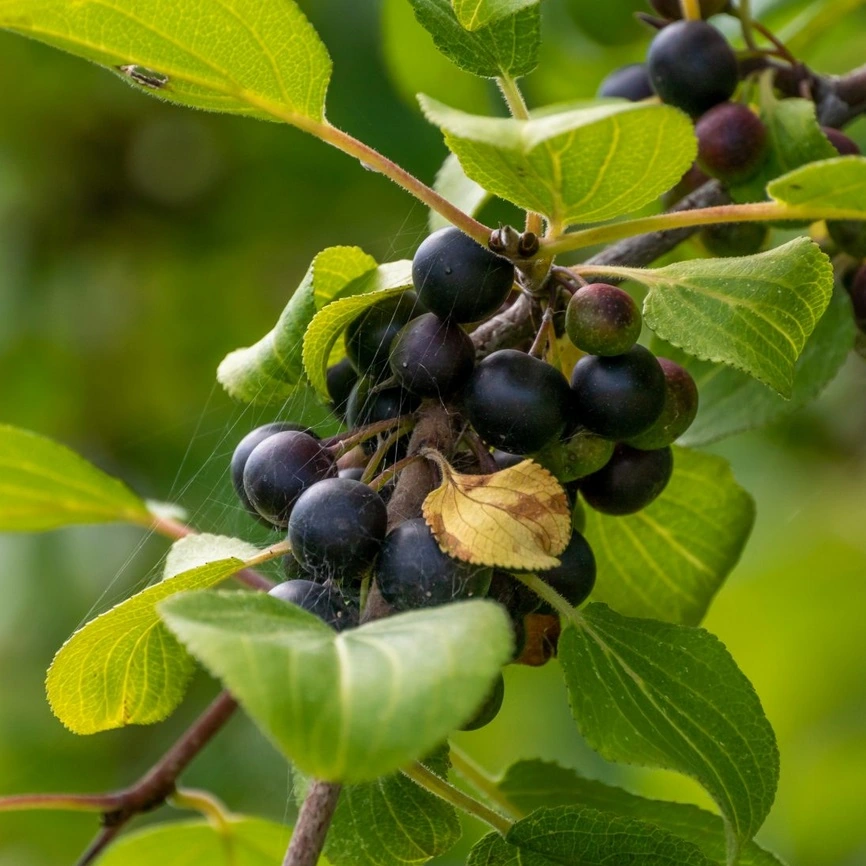
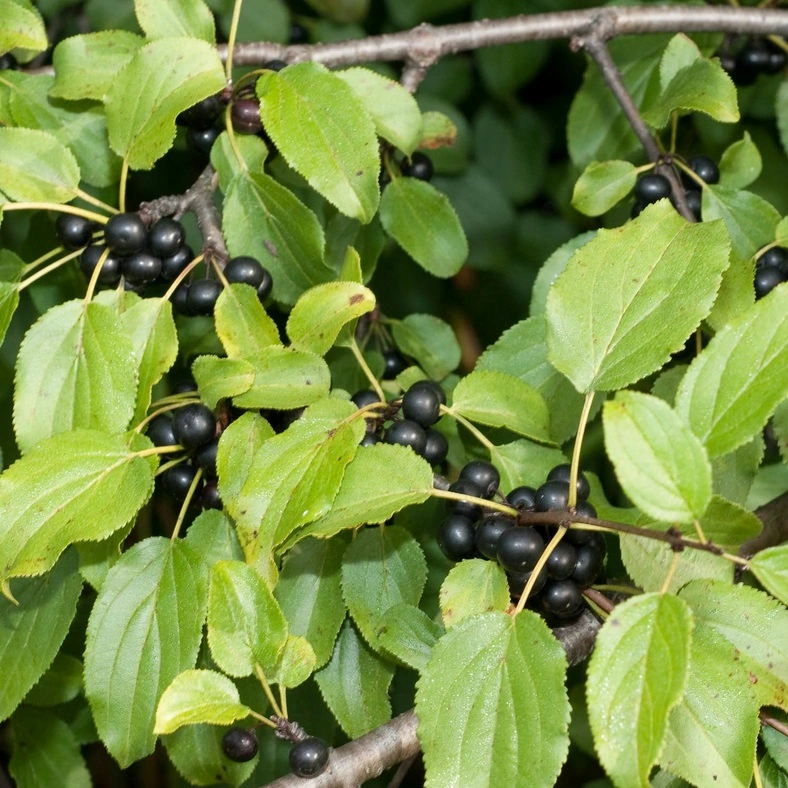
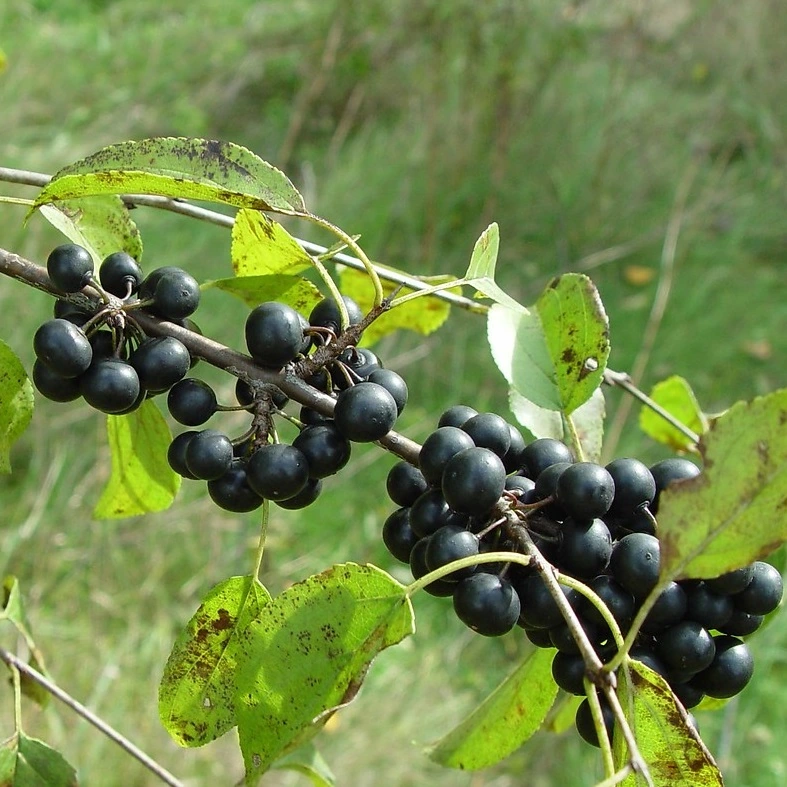
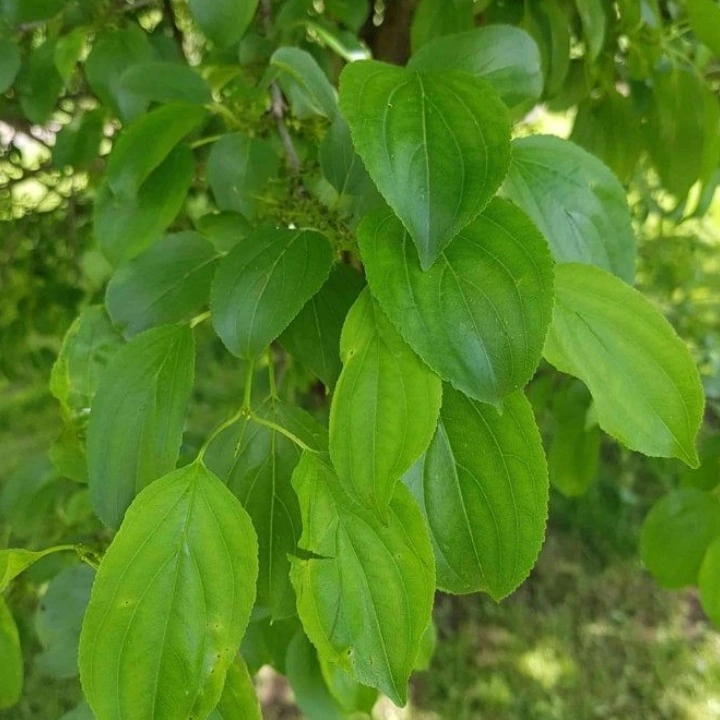
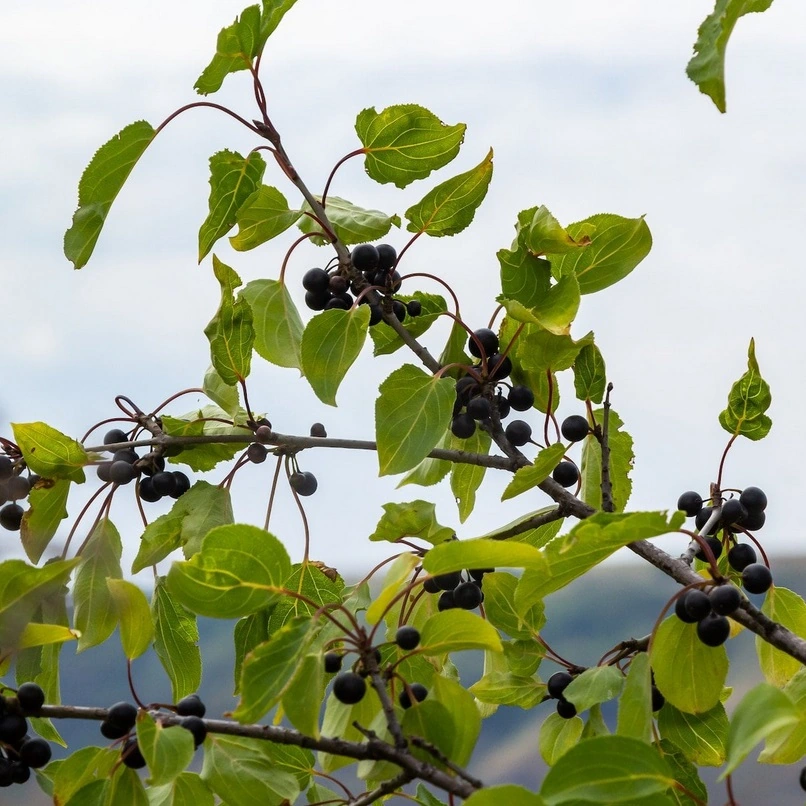
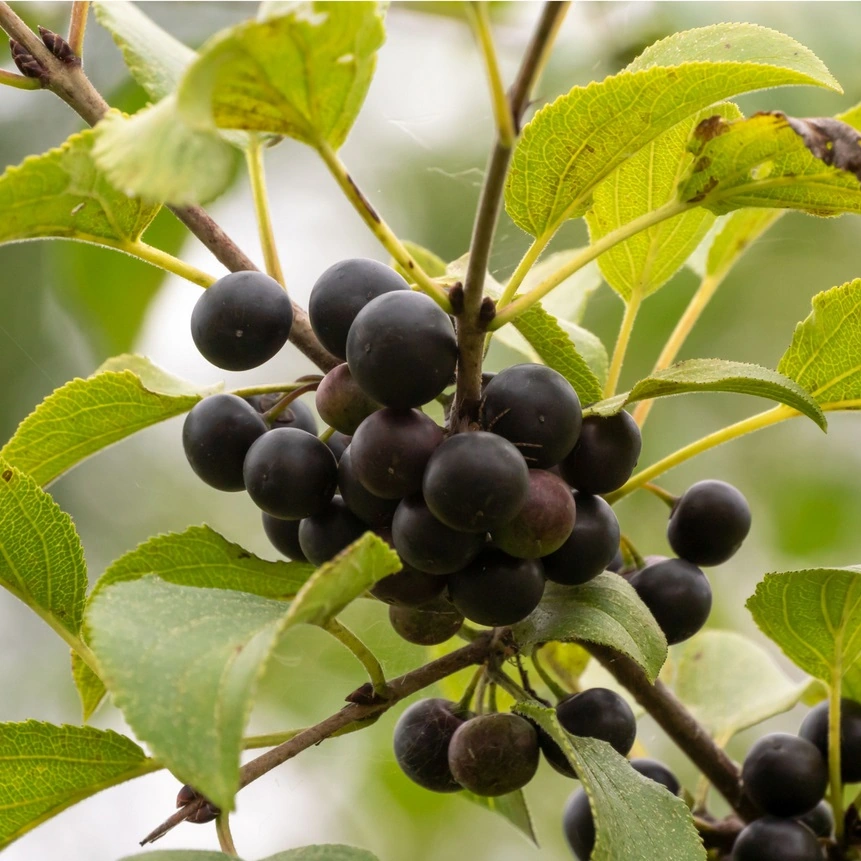
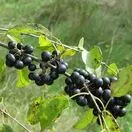
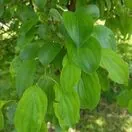
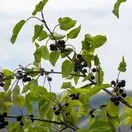
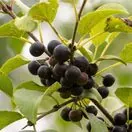
Common Buckthorn is a hardy, deciduous shrub or small tree that's perfect for creating dense hedgerows and wildlife-friendly boundaries. With its attractive spring flowers, glossy foliage, and abundant berries, this robust native plant provides year-round interest whilst offering excellent shelter and food for birds. This bare root specimen represents excellent value and establishes readily when planted during the dormant season.
Key Features
-
Tough and adaptable – thrives in challenging conditions
-
Wildlife haven – berries provide valuable autumn and winter food for birds
-
Dense growth habit – ideal for screening and privacy hedges
-
Seasonal interest – fragrant spring flowers, glossy summer leaves, and black berries
-
Low maintenance – drought-tolerant once established
-
Bare root format – economical and environmentally friendly, available November to March
Growing Conditions
-
Soil type: Tolerates most soils, including chalk, clay, and poor soils; prefers well-drained conditions
-
Position: Full sun to partial shade
-
Hardiness: Fully hardy (RHS H6)
-
Aspect: Any
-
Moisture: Well-drained to dry; drought-tolerant once established
Size & Growth
-
Mature height: 4-6 metres (can be kept smaller with pruning)
-
Mature spread: 3-4 metres
-
Growth rate: Moderate (30-40cm per year)
-
Time to maturity: 5-7 years to full size
Planting Your Bare Root Buckthorn
When to plant: November through March, whilst the plant is dormant and the ground isn't frozen
Planting tips:
-
Soak roots in water for 2-4 hours before planting
-
Dig a hole twice the width of the root system
-
Plant at the same depth as the soil mark on the stem
-
Space 60-90cm apart for hedging
-
Backfill with native soil mixed with organic matter
-
Water thoroughly after planting
-
Apply a mulch around the base to retain moisture
Care & Maintenance
-
Water during dry spells in the first growing season
-
Trim hedges in late winter or early spring before birds begin nesting
-
Can be cut back hard if needed – responds well to renovation pruning
-
Generally pest and disease-free
-
Once established (after 1-2 years), requires minimal watering
Wildlife Benefits
Common Buckthorn is excellent for supporting local wildlife:
-
Small, fragrant yellow-green flowers attract pollinating insects in spring
-
Black berries provide food for thrushes, blackbirds, and other birds
-
Dense, thorny branches offer safe nesting sites
-
Host plant for the brimstone butterfly caterpillar
-
Provides shelter for small mammals and birds throughout winter
Ideal For
-
Mixed native hedgerows
-
Wildlife gardens
-
Boundary and screening hedges
-
Informal barriers (thorny branches deter intruders)
-
Coastal gardens (tolerates salt spray)
-
Difficult, exposed sites
-
Chalky or alkaline soils
Things to Consider
-
Plants have sharp thorns – wear gloves when handling and pruning
-
Berries have historically been used as a laxative (hence 'cathartica') – keep away from young children
-
Can self-seed if conditions are favourable
-
Both male and female plants needed for berry production (best to plant in groups)
-
Important note: In some regions, particularly North America, Common Buckthorn is considered invasive. However, it is a native species in the UK and parts of Europe
Why Choose Bare Root?
Bare root plants are lifted from the field during dormancy and supplied without soil around the roots. This traditional method offers several advantages:
-
More economical than container-grown plants
-
Better root development and establishment
-
Lower carbon footprint (no plastic pots or compost)
-
Available during the optimal planting season
Design Ideas
-
Traditional hedgerow: Combine with hawthorn, hazel, and dog rose for an authentic country hedge
-
Bird-friendly border: Plant alongside other berry-bearing natives like rowan and elder
-
Security hedge: The thorny growth provides an effective natural barrier
-
Windbreak: Tough enough to withstand exposed, windy positions
Create a robust, wildlife-rich hedge with Common Buckthorn – a hardworking native that looks after itself and supports British wildlife.
For protection from pests consider Spiral Rabbit Guards or Tree Shelters.
Please see our bare root plant guides for more information. We've put together a collect of help and advice articles covering what bare root plants are, why they are a good choice, which plants are available bare root, when and where to plant.
Deciduous plants supplied bare root during the dormancy period will not have any leaves at this time; top growth will just be brown and twiggy to start with and will come into leaf in the spring. This is perfectly normal. The plants we supply are healthy will an extensive root system. Please see the final picture for an illustration of how your plants will look when they are delivered.
Bare Root is usually dispatched between early November and late March. Exact dates vary year to year depending on the weather. We cannot guarantee availability for a certain date at the beginning or end of the season.
Important Bare Root Care
As soon as you receive your bare root plants place the items upright in a bucket of clean water immediately leaving them for at least 2 hours. Only take plants out as you need them for planting.
Q: When is bare root season?
A: Our bare root season usually runs from November to March but it can depend on the weather conditions, we'd always recommend buying at the end of autumn rather than waiting for spring.
Q: Does the plant size include the roots?
A: No, all bare root plant sizes quoted exclude the roots.
Q: What size plants will I receive?
A: Stock size varies through the season, our 'Plant Size' are give as a guide and you will receive plants somewhere in that range. We are unable to specify exactly how tall the plants will be within that range.
Q: How old will the plants be?
A: Most of our 'Plant Sizes' include the age of the plant, this is shown as a sum e.g. 1+2 which in this case would indicate that the plants are 3 years old. The first number is how long the plant has spent in the seedbed and the second is the number of year it has spent lined out in the field. Where the sum starts with a 0+ this indicates that the plants were grown from a rooted cutting.
Q: Can I get a discount for bulk purchases?
A: We offer a discount banding on bare root plants making them cheaper the more you buy, see the table on each page for details of the price within each band.
Q: Do I need canes?
A: Bamboo canes are perfect for giving young saplings, hedging plants, climbers and other tall shrubs the support they need when they start to establish. Unless you are planting in a completely sheltered spot with very little chance of wind then we would always recommend using a cane for support.
Q: Do I need rabbit guards?
A: Spiral Rabbit Guards are the most popular, low cost tree protection for young saplings, seedlings, transplants and hedging plants from browsing animals such as voles, mice, rabbits and hares. Spiral Rabbit Guards have the ability to grow and expand with the growing tree, providing a sheltered environment for the tree. It's hard to say for certain if you will require the extra protection a rabbit guard provides, if your are aware of a particular pest problem in your planting location then we would recommend using them. Rabbit Guards are not suitable for 'evergreens' please see 'Shrub Shelters' for a suitable evergreen protection method.
Q: What is a shrub/tree shelter?
A: Shrub/Tree Shelters are similar to rabbit guards but are designed for use on evergreens that would sweat and die in rabbit guards. We supply shrub/tree shelters as a kit which includes the shelter, 1 Stake and 2 cable ties, one kit is required per plant.
Q: Do I need shrub/tree shelters?
A: If you are aware of any specific pest problems in your planting area then we would recommend using a shrub/tree shelter to give your young trees or hedging plants that extra protection.
No posts found