







Choisya Ternata
Common Name: Mexican Orange Blossom
Overview
Choisya ternata, commonly known as Mexican Orange Blossom, is one of the most beloved evergreen shrubs in British gardens. This reliable and beautiful plant has been a garden favourite for over a century, prized for its glossy green foliage, profuse clusters of intensely fragrant white flowers, and remarkably easy-going nature. As the parent species of many popular cultivars, it represents the classic form of this exceptional shrub family.
Key Features
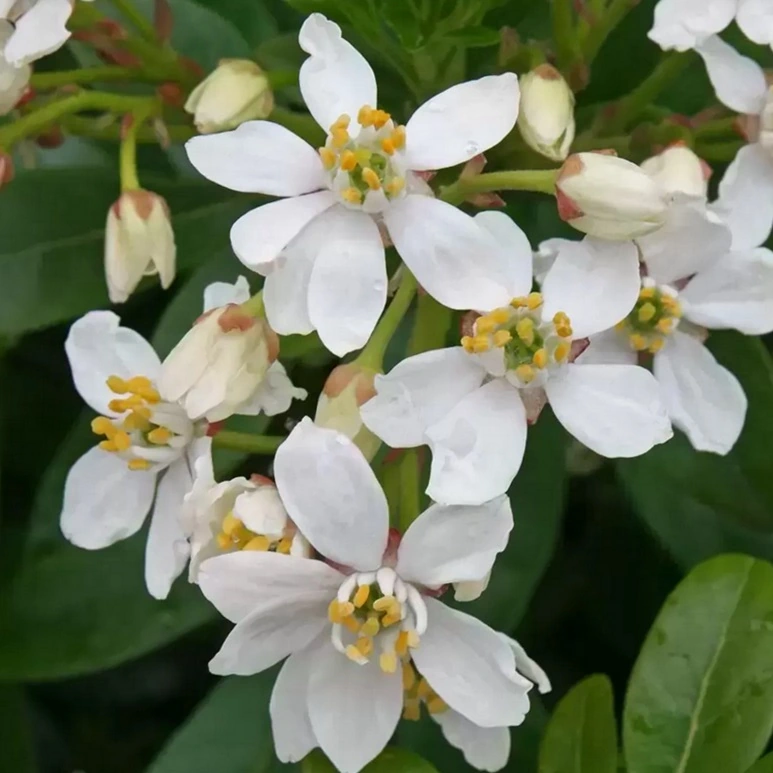
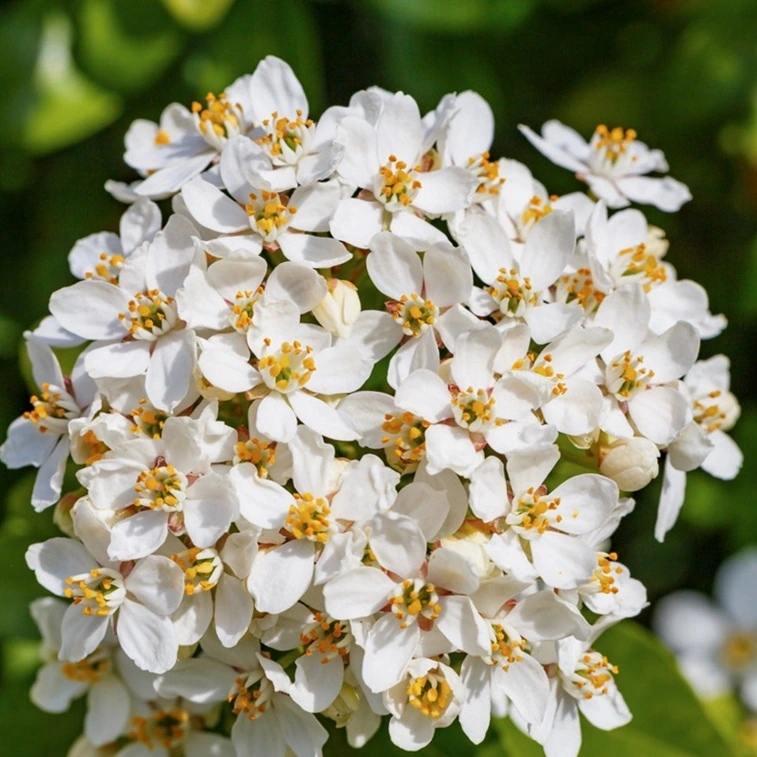
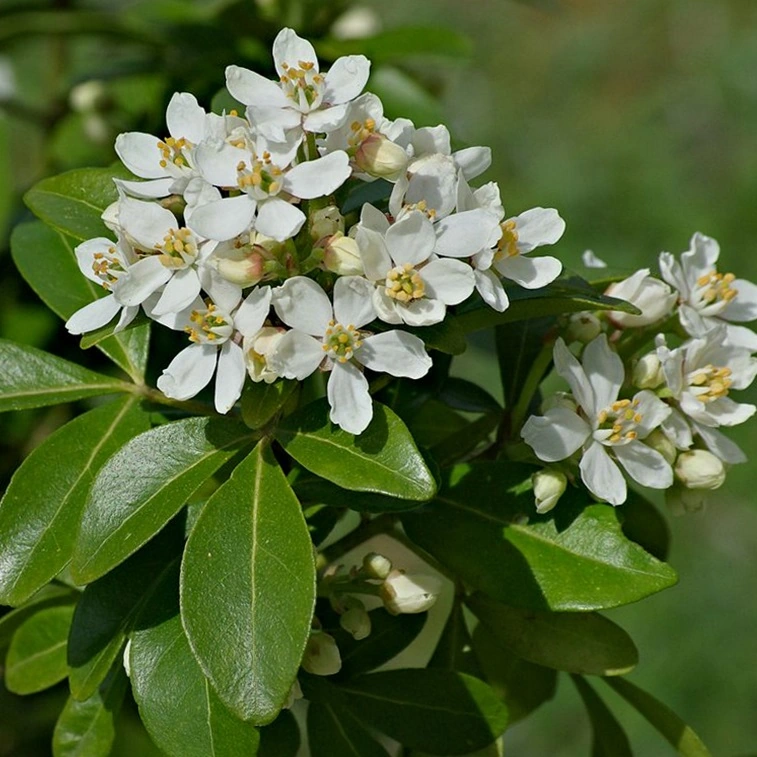
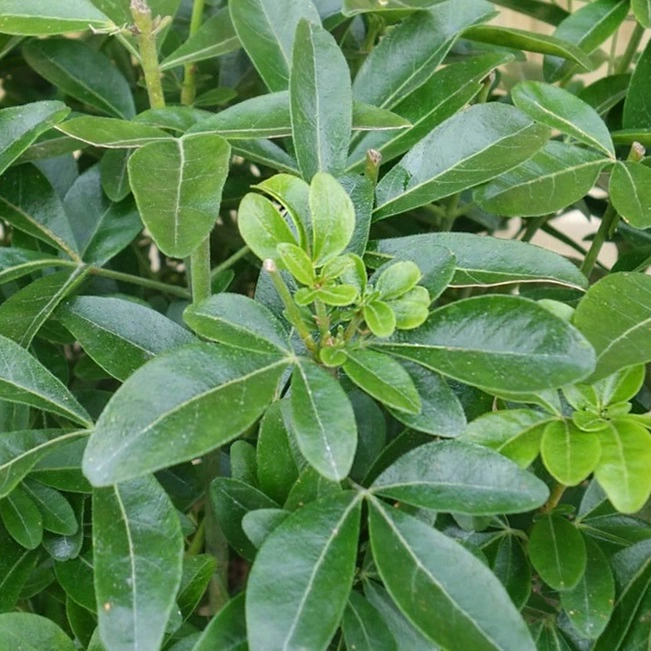
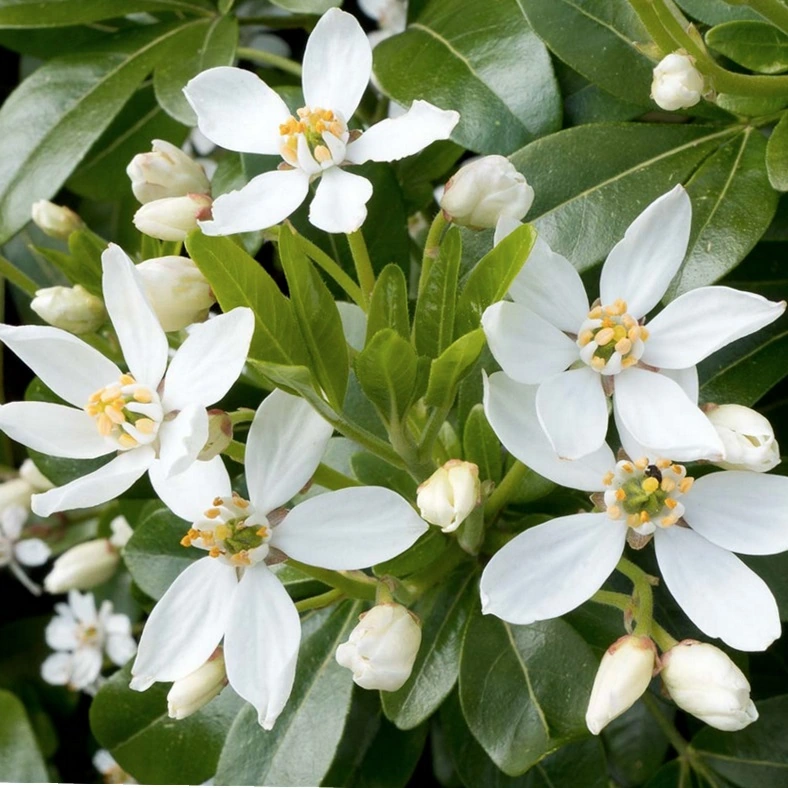
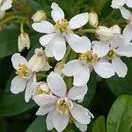
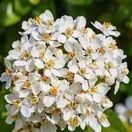
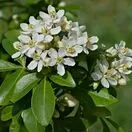
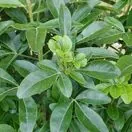
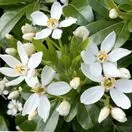
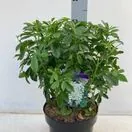
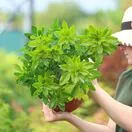
The hallmark of Choisya ternata is its abundant display of pure white, star-shaped flowers that appear in dense clusters at the branch tips. Each flower measures 2-3 centimetres across and carries an exquisite sweet fragrance reminiscent of orange blossom, hence its common name. The evergreen foliage consists of glossy, bright green leaves divided into three oval leaflets, creating the distinctive palmate shape that gives the plant its species name 'ternata' (meaning 'in threes').
Mature Size and Growth Rate
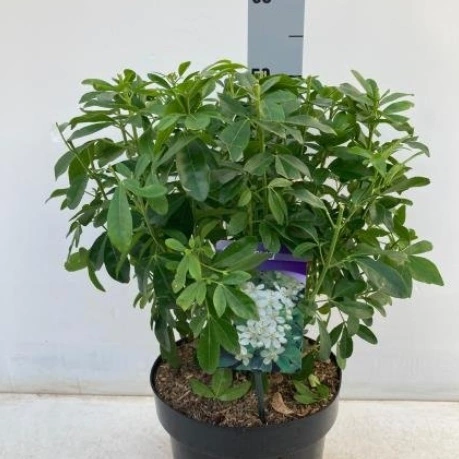
This substantial shrub typically reaches 2-2.5 metres in height with an equal or slightly greater spread, forming an attractive rounded dome. In ideal conditions, mature specimens can grow larger, occasionally reaching 3 metres. The plant has a moderate growth rate, adding approximately 30-40 centimetres per year once established, making it excellent for creating relatively quick impact whilst remaining manageable in most garden situations.
Growing Conditions
Choisya ternata is remarkably adaptable, thriving in full sun to partial shade, though flowering is most prolific in sunny positions. It tolerates a wide range of soil conditions, from sandy loam to heavy clay, providing drainage is adequate. The plant prefers neutral to slightly alkaline soils but will grow satisfactorily in mildly acidic conditions. Once established, it shows good drought tolerance, making it suitable for Mediterranean-style gardens.
Hardiness and Climate
This robust shrub is hardy in USDA zones 7-10 and RHS hardiness rating H4, making it suitable for most gardens throughout Britain, particularly in southern and central regions. It tolerates temperatures down to approximately -10°C, though prolonged cold snaps may cause some leaf browning. In colder areas, planting in a sheltered position against a south-facing wall provides additional protection and often results in better flowering.
Care and Maintenance
Mexican Orange Blossom is exceptionally low-maintenance once established. Water regularly during the first growing season to develop a strong root system, then only during extended dry periods. The plant rarely requires feeding in average garden soils, though an annual application of balanced fertiliser in early spring can enhance flowering performance. Pruning is generally unnecessary due to its naturally attractive shape, but light trimming after flowering can maintain size and encourage bushier growth.
Garden Uses and Positioning
This versatile shrub serves multiple purposes in garden design. It makes an outstanding specimen plant, particularly near seating areas where its fragrance can be fully appreciated. Choisya ternata is excellent for mixed borders, providing year-round structure and acting as a reliable backdrop for seasonal plantings. It can be used for informal hedging, foundation planting, or in Mediterranean and cottage garden styles where its classic appeal is particularly valued.
Flowering and Seasonal Interest
The primary flowering display occurs in late spring to early summer, typically May to June, when the entire shrub becomes covered in fragrant white blooms that can be seen and smelled from considerable distances. A second, often equally impressive flowering period frequently occurs in early to mid-autumn, extending the plant's ornamental season. Even when not in flower, the handsome evergreen foliage provides continuous year-round structure and colour.
Planting Tips
Plant in spring or early autumn when soil conditions are workable and weather is mild. Choose a location with good air circulation to prevent potential fungal issues. Dig a hole twice the width of the root ball but no deeper than the original soil level. Backfill with a mixture of native soil and well-rotted compost, water thoroughly, and apply a layer of organic mulch around the base whilst keeping it clear of the main stem.
Companion Plants
The classic white flowers and green foliage of Choisya ternata complement virtually any colour scheme. It pairs beautifully with purple-flowered plants such as lavender, catmint, or alliums, and provides an excellent backdrop for pink roses or red tulips. The shrub works well with other Mediterranean plants like rosemary and santolina, whilst its substantial size makes it perfect for anchoring mixed borders containing smaller perennials and annuals.
Historical Significance and Varieties
Named after Jacques Denis Choisy, a Swiss botanist, this species was introduced to British gardens in 1825 and has since become naturalised in some areas. Choisya ternata is the parent of many popular garden cultivars, including 'Sundance' with its golden foliage and 'Aztec Pearl' with its narrower leaves. The original species remains the most robust and reliable form, often outliving its more decorative offspring.
Pest and Disease Resistance
This hardy shrub is generally pest and disease-free, contributing to its reputation as a trouble-free garden plant. The aromatic foliage naturally deters deer and rabbits, making it valuable for rural gardens. Occasionally, aphids may appear on new growth, particularly in spring, but these rarely cause significant damage. The plant's natural resistance to most common garden problems makes it ideal for organic gardening approaches.
Special Notes
All parts of Choisya ternata are aromatic when crushed, releasing a pleasant citrusy fragrance that adds to the sensory appeal of the garden. The flowers are excellent for cutting and bringing indoors, where they'll perfume rooms with their sweet scent. This species has proven its worth over many decades in British gardens and remains one of the most reliable and rewarding evergreen shrubs available to gardeners today.
Buying Shrubs from Jacksons Nurseries
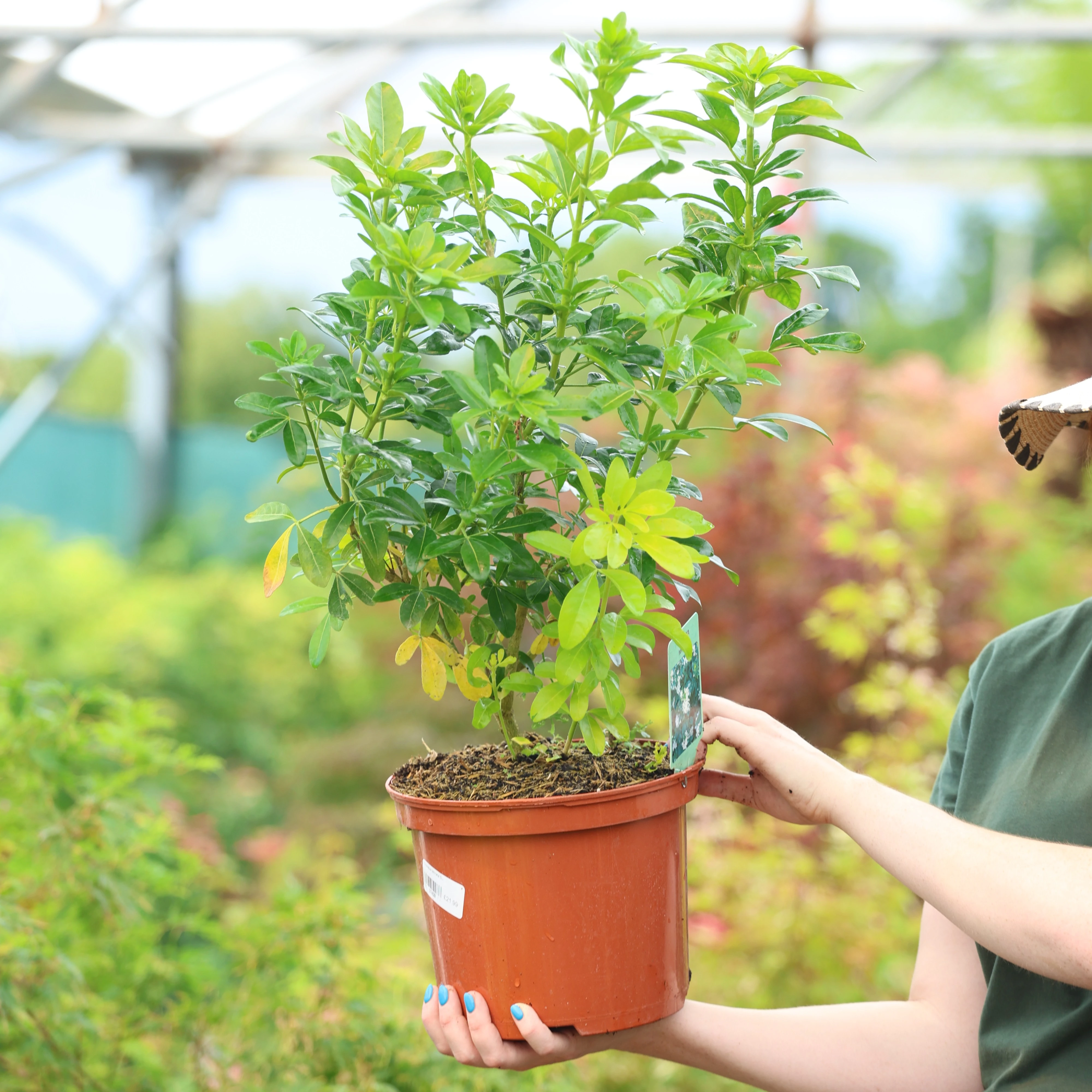
At Jacksons Nurseries we sell a variety of shrubs both evergreen and deciduous with a variety of flowering times throughout the year. At certain times of the year our shrubs you buy from us may not look like the images shown on our website when deciduous leaves have fallen, the shrub has finished flowering or has been trimmed back.
Some leaves on evergreen shrubs can be damaged in winter by frost or harsh winds but in spring new leaves will readily replace those damaged. This is quite normal on many evergreen varieties and is preferable to plants grown with excessive protection that show cold shock once planted out and establish less satisfactory initially.
Availability: Stock availability figures are provided as a guide only. There is a delay between orders being placed and the plants being gathered by our pulling team. During this time it may be possible for a member of the public to purchase these plants from our Garden Centre, while this is rare it is a possibility and we will notify you of any problems as soon as possible. This figure may also include plants that have not yet be flagged as unsaleable.
Pre-order: Pre-order times are given as a guide only and may vary dependent on the growing season. Orders containing Pre-ordered products will be shipped as a single order when all items become available. Large orders may be part shipped, please contact us on 01782 502741 or email sales@jacksonsnurseries.co.uk.
* Please Note: Shrubs in 20 litre pots and above might require a pallet delivery starting at £79.99 per pallet. Depending on the exact pot size and height it may be possible to get approximately 5 plants per pallet at no extra cost. The maximum height we can dispatch on a pallet is 2.0m, this includes the height of the pallet and pot.
Shrubs are deciduous or evergreen woody plants, and often provide fragrant flowers, berries and foliage. They are good for structural framework, and they can provide a wonderful shelter and food source for wildlife.
Planting and Conditions
Container grown shrubs can be grown at any time of year. It is a little known fact that shrubs planted in the autumn and winter will be easier to look after than those planted in the spring and summer, because they will have time to establish and become hardy in the cooler months.
Plant the shrub at the same depth as it was in its original pot. Planting too deeply can result in root and stem rot.
One of the biggest causes of death in new shrubs is drought stress, so keep it well watered until it’s established.
Make sure you loosen the soil prior to planting. Most shrubs are tolerant of most soil types as long as it is fairly well draining.
Most shrubs will grow happily in containers, but they will be much more demanding on feeding and watering than shrubs in the ground would be. They will also need potting on every couple of years so that they don’t suffocate or become stunted in their pot.
Aftercare and Pruning
Once established, shrubs generally do not require much water. However, at first they need careful, frequent watering and should not be left to dry out.
Shrubs in the ground are generally not demanding and in most cases, annual feeding with general purpose fertilizer will suffice. Shrubs in containers may need more feeding; usually from early spring until late summer.
Shrubs also benefit from mulching in order to supress weeds, conserve moisture and provide vital nutrients. Mulch also greatly improves soil conditions. Shrubs can be mulched in late winter, after fertiliser has been applied, but it can be mulched through autumn to late spring as long as the ground is damp.
All shrubs benefit from dead-heading once spent flowers become apparent. Rhododendrons and Lilac especially benefit from the removal of dead flowers.
Some shrubs may show signs of reverted growth or ‘sporting’. This is where random shoots of different leaves associated with the plant’s parentage begin to appear. Most commonly this is where plants with variegated leaves sprout pure green growths instead of variegated ones.
To control reversion, remove reverted shoots promptly to discourage them. Reverted shoots are usually much more vigorous than the variegated ones, and thus should be completely pruned out and cut back into wood containing variegated foliage.
Potential Issues
Although shrubs are usually very robust garden plants, they can sometimes start to decline with no apparent or obvious reason.
This will start with browning leaves, which could indicate plant stress due to lack of water or waterlogging, an establishment failure or, in the worst case scenario, honey fungus. Another cause of leaf browning is a high salt content in the soil. This could be a natural occurrence, especially if you live near the ocean, or it could be from over fertilisation.
To remedy a high salt content, cut back on fertiliser and step up your watering regime for the next few weeks. If you live by the ocean, this will be harder to remedy—but stepping up your watering will help to wash some of the salt away all the same.
No posts found
| Size | Availability | Price | ||
|---|---|---|---|---|

|
In stock
|
£9.99 | ||

|
In stock
|
£24.99 |