



Rose Tuscany Superb - Shrub Rose
Rose Tuscany Superb is a treasured old garden rose with a heritage dating back to the early 19th century, possibly even earlier. This historic Gallica rose captivates gardeners with its sumptuous, velvety blooms in the deepest crimson-purple shades imaginable. For those who appreciate the romance and character of antique roses, Tuscany Superb offers an unparalleled combination of breathtaking beauty, remarkable cold hardiness, and surprisingly manageable care requirements. This is a rose that connects modern gardeners to centuries of horticultural tradition.
Key Features
Tuscany Superb embodies all the qualities that make old garden roses so beloved. Unlike many modern roses that bloom repeatedly, this is a once-flowering variety that puts on a spectacular, unforgettable display in early summer. The intensity of this single flowering period more than compensates for the lack of repeat blooms, with each flower being a masterpiece of colour and form. The variety is exceptionally hardy and long-lived, with specimens known to thrive for decades with minimal intervention.
Flowers and Foliage
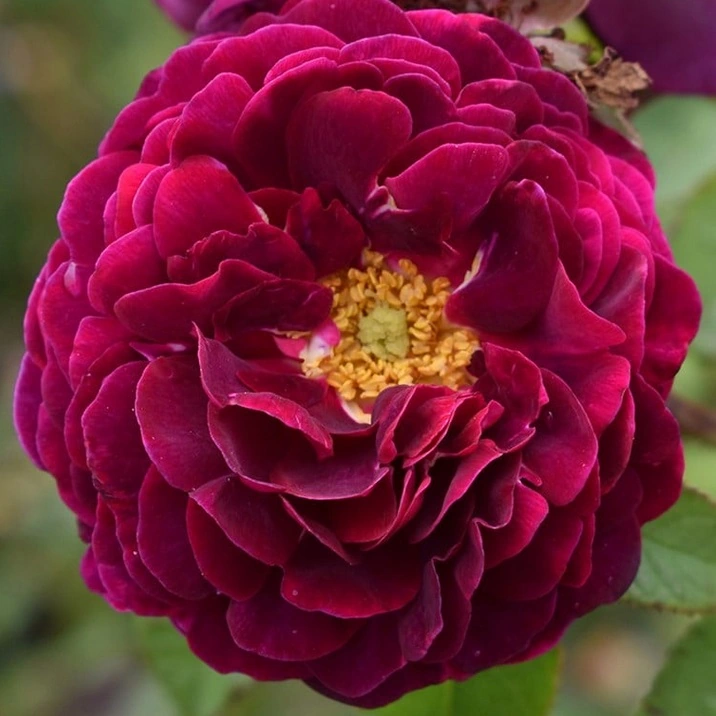
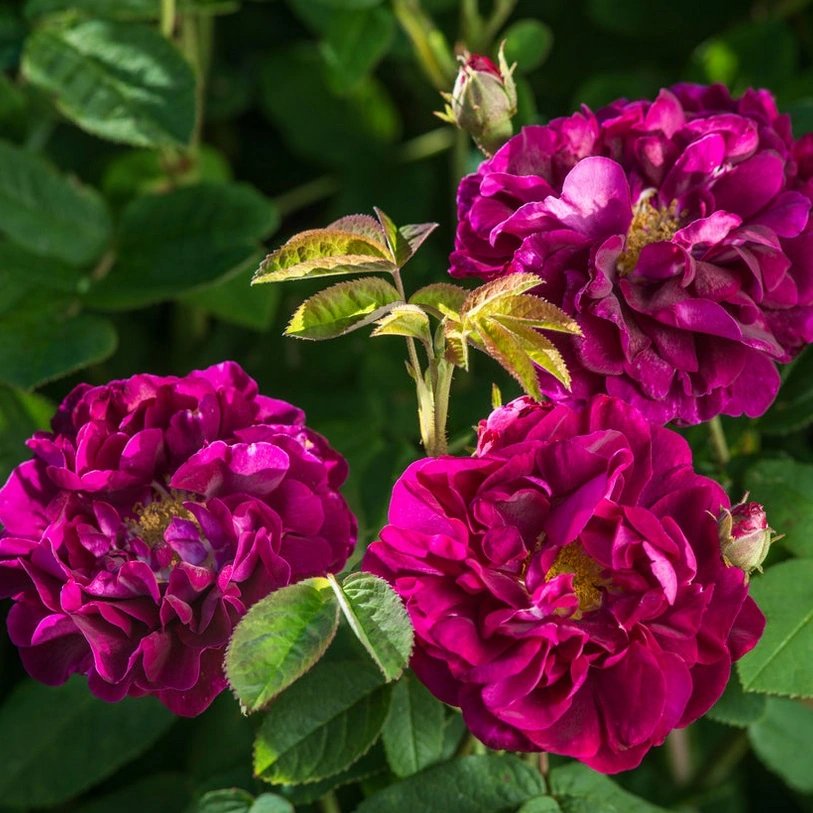
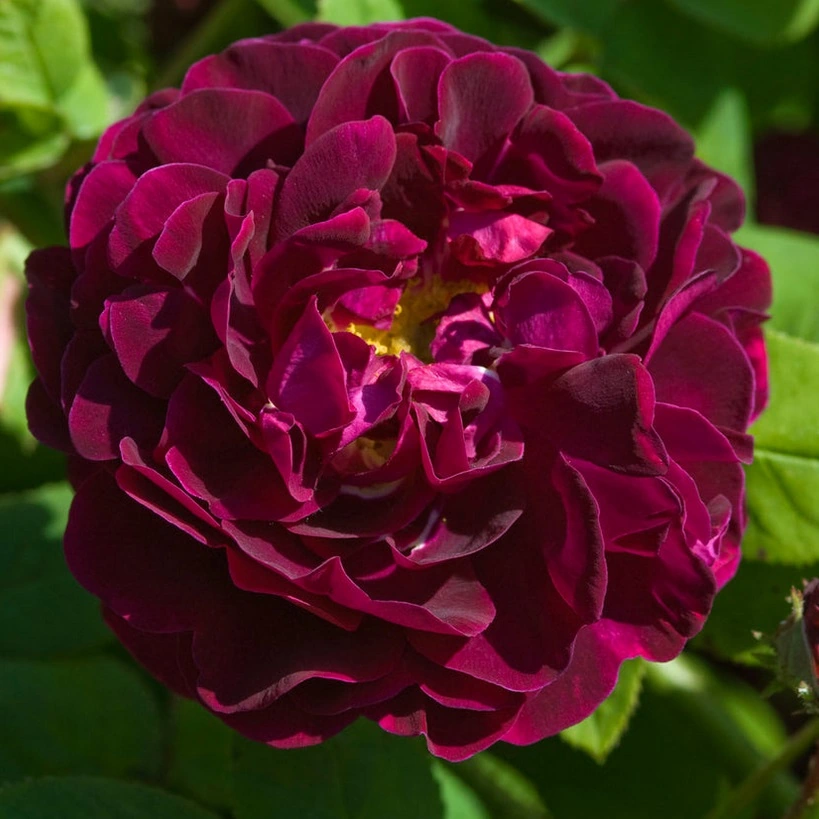
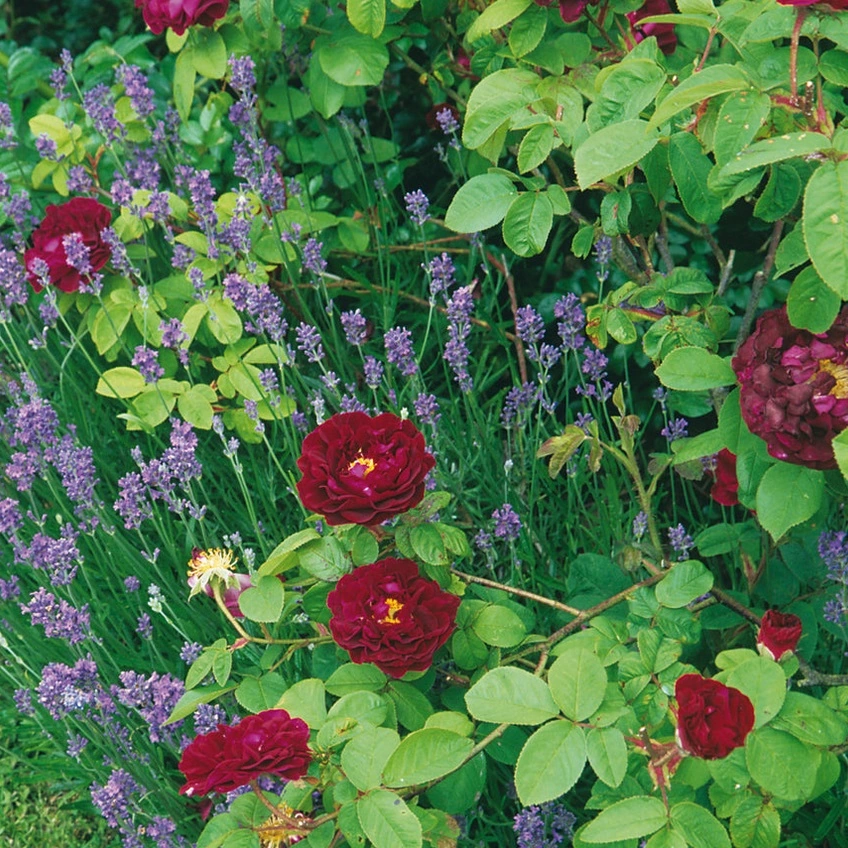
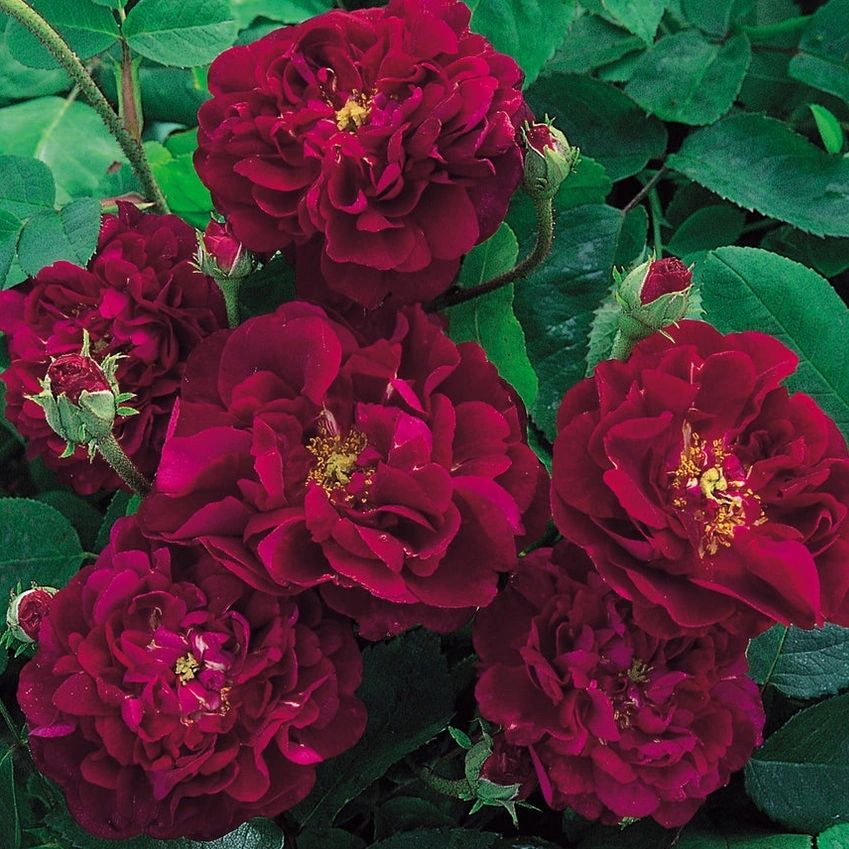
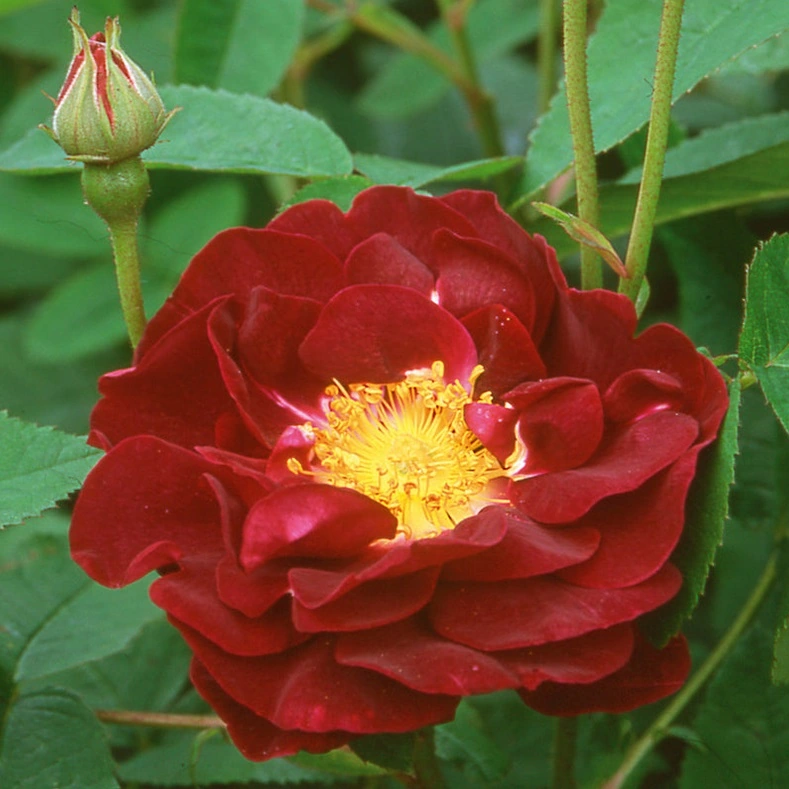
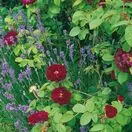
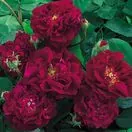
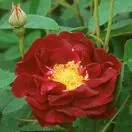
The flowers of Tuscany Superb are nothing short of magnificent. Each bloom measures 7-10cm across and opens semi-double to almost double, revealing layers of velvety petals in the most extraordinary dark crimson-purple shade—so deep it appears almost black in certain lights. The petals have a luxurious texture that seems to absorb light, creating an almost luminous quality despite the dark colouring.
At the heart of each flower lies a spectacular boss of golden-yellow stamens that provides a striking contrast to the dark petals. This combination of deep purple-crimson and bright gold is one of the most dramatic colour contrasts in the rose world and has enchanted gardeners for over two centuries.
The blooms appear in late spring to early summer, typically May to June depending on your climate, and last for 3-4 weeks. While the flowering period is concentrated rather than continuous, the display during this time is absolutely spectacular. The flowers emit a rich, old rose fragrance with spicy undertones—a classic scent that epitomises the perfume of antique roses.
The foliage is typical of Gallica roses—matt green leaves with a slightly rough texture that provide an attractive, healthy backdrop throughout the season. After flowering, the plant maintains good foliage cover, contributing structure and greenery to the garden through summer and autumn.
Growth Habit and Size
Tuscany Superb forms an upright, somewhat open shrub reaching 90-120cm in height with a spread of 75-90cm. The growth habit is elegant rather than dense, with strong, relatively smooth stems that carry the flowers proudly. The plant produces basal growth readily and can spread slowly by suckers if grown on its own roots, gradually forming a small thicket over many years—a desirable trait in cottage garden settings.
The variety doesn't require staking and maintains a good shape naturally, making it easy to integrate into mixed borders or cottage garden schemes.
Hardiness and Climate Suitability
Gallica roses are among the hardiest of all rose types, and Tuscany Superb is no exception. It thrives in zones 4-9, tolerating winter temperatures down to -30°C or below once established. This exceptional cold hardiness, inherited from its species Rosa gallica parentage, makes it ideal for northern gardens where many modern roses struggle.
The variety performs best in climates with distinct seasons and adequate winter chilling. It's particularly well-suited to British gardens and similar temperate climates, though it adapts successfully to warmer regions provided it receives some winter dormancy.
Planting and Position
Sunlight Requirements: Plant Tuscany Superb in full sun (minimum 6 hours daily) for the best flowering and disease resistance. It will tolerate light partial shade but may produce fewer flowers and be more susceptible to mildew in shadier positions.
Soil Preferences: This adaptable rose grows in most well-drained soils. It's particularly tolerant of heavy clay soils, making it useful for challenging garden situations. Gallicas generally prefer slightly alkaline to neutral conditions (pH 6.5-7.5) and don't require especially rich soil—in fact, they can become too vigorous in overly fertile conditions. Good drainage is more important than fertility.
Spacing: Allow 90cm between plants in mixed borders. For a hedging effect, space plants 60-75cm apart.
Care and Maintenance
Watering: Water regularly during the first growing season to establish a deep, extensive root system. Once established (after 1-2 years), Tuscany Superb is remarkably drought-tolerant and requires watering only during prolonged dry spells. The deep roots characteristic of Gallica roses make them far more resilient to drought than many modern varieties.
Feeding: Gallica roses are not heavy feeders. Apply a light dressing of well-rotted manure or compost in late winter, and this will usually suffice for the entire season. Avoid high-nitrogen fertilisers which can promote excessive leafy growth at the expense of flowers and may reduce hardiness. A handful of bonemeal in early spring provides gentle, slow-release nutrition that suits the plant's needs perfectly.
Pruning: Pruning requirements are minimal, which is one of the great advantages of old garden roses. In late winter or early spring:
-
Remove any dead, damaged, or diseased wood
-
Take out the oldest, woodiest stems (those over 4-5 years old) at ground level to encourage fresh basal growth
-
Lightly shape the plant by reducing overlong stems by one-quarter to one-third
-
Thin out any congested growth in the centre to improve air circulation
Resist the temptation to prune heavily. Gallicas flower on the previous year's wood, so excessive pruning will reduce flowering. After flowering in early summer, deadhead spent blooms if you wish, though this is optional as Tuscany Superb produces few hips.
Mulching: Apply a 5cm layer of organic mulch in spring, keeping it clear of the stems. This helps retain moisture and suppress weeds whilst gradually improving soil structure.
Suckering: If grown on its own roots, Tuscany Superb may produce suckers. These can be left to form a natural colony or removed if you prefer to keep the plant contained. If your rose is grafted, remove any suckers arising below the graft union as these will be from the rootstock rather than Tuscany Superb.
Uses in the Garden
Tuscany Superb's historic character and distinctive colouring make it valuable for specific garden styles:
-
Cottage Gardens: Perfect for traditional cottage garden schemes where its old-fashioned charm fits naturally
-
Heritage Gardens: Essential for period gardens and historic landscapes where authentic plant varieties are desired
-
Mixed Borders: Combines beautifully with perennials, particularly those flowering after the rose has finished
-
Rose Gardens: Invaluable for collections of old garden roses, providing some of the darkest colouring available
-
Fragrance Gardens: The rich, spicy scent makes it perfect for planting near seating areas, though only during its flowering period
-
Cutting Gardens: The spectacular blooms make stunning, if short-lived, cut flowers with excellent fragrance
Pest and Disease Resistance
As with most old garden roses, Tuscany Superb shows good overall disease resistance, though it's not immune to common rose problems:
-
Powdery Mildew: Can be susceptible in humid conditions or when air circulation is poor. Ensure good spacing and avoid overhead watering
-
Black Spot: Generally shows reasonable resistance but may develop some spotting in wet seasons
-
Rust: Rarely troubled
-
Pests: May attract aphids in spring, particularly on new growth and flower buds. Beneficial insects usually control these naturally, but spray with water or use insecticidal soap if infestations are severe
The key to keeping Tuscany Superb healthy is ensuring good air circulation, avoiding overcrowding, and cleaning up fallen leaves in autumn to prevent disease spores overwintering.
Wildlife Benefits
The open flower form with prominent stamens makes Tuscany Superb highly attractive to pollinating insects. Bees are particularly drawn to the abundant golden stamens, and you'll often find the flowers buzzing with activity during the flowering period. The plant provides valuable early summer nectar when many other food sources are becoming scarce.
Companion Planting
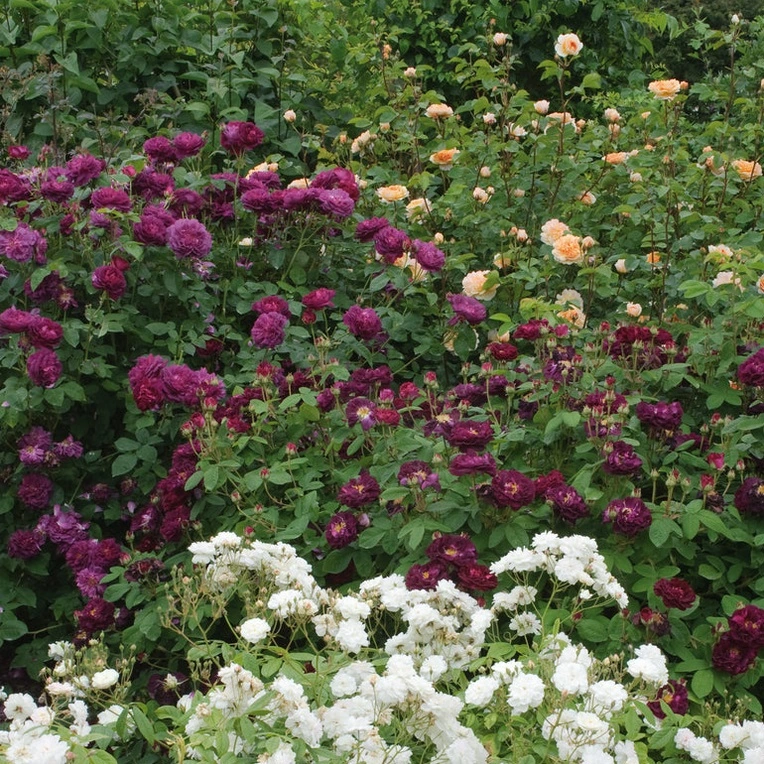
The deep purple-crimson flowers of Tuscany Superb create stunning combinations with:
-
Silver Foliage Plants: Artemisia, lamb's ear (Stachys byzantina), or Senecio cineraria provide a luminous contrast to the dark blooms
-
Purple and Mauve Perennials: Alliums, catmint (Nepeta), and hardy geraniums create harmonious colour schemes
-
Pink Flowers: Old-fashioned pinks (Dianthus), foxgloves (Digitalis), and hardy geraniums in pink shades complement beautifully
-
White Flowers: White foxgloves, Shasta daisies, or white campanulas create a classic cottage garden combination
-
Late-Flowering Perennials: Since Tuscany Superb finishes flowering in early summer, plant it with perennials that peak later—daylilies, phlox, or Michaelmas daisies will provide interest after the rose has finished
Avoid planting with bright orange or scarlet flowers, as these can clash with the purple undertones in the rose.
Historical Context
Tuscany Superb is believed to have been introduced around 1837, though its exact origins are somewhat mysterious—a common situation with many old garden roses. It's an improved form of an even older variety known simply as 'Tuscany' or 'Old Velvet Rose,' which dates back to at least the 16th century. These roses were treasured in Renaissance gardens and have been depicted in countless paintings and botanical illustrations over the centuries.
Growing Tuscany Superb connects you to this rich heritage. The flowers you admire in your garden are virtually identical to those grown by gardeners centuries ago—a living link to horticultural history that few plants can provide.
Seasonal Interest
Spring: Fresh new foliage emerges with reddish tints, creating an attractive backdrop as the plant prepares to flower. Flower buds develop in late spring.
Early Summer: The spectacular flowering period transforms the plant into a focal point of deep crimson-purple and gold. The rich fragrance perfumes the garden.
Summer-Autumn: After flowering, the plant maintains good foliage coverage, providing structure and greenery in the border. The leaves take on subtle autumn tints before falling.
Winter: Deciduous habit reveals the plant's elegant structure. The strong, relatively smooth stems have a quiet presence in the winter garden.
What to Expect
It's important to understand that Tuscany Superb is not a rose for those seeking continuous colour from spring to frost. This is a once-flowering variety that puts all its energy into one magnificent display. However, for those 3-4 weeks in early summer, no repeat-flowering rose can match the intensity and drama of its blooms.
Think of Tuscany Superb as you would other spring-flowering shrubs like lilacs or mock orange—plants that earn their place through the sheer spectacle of their flowering period and their contribution to garden structure throughout the rest of the year.
Summary
Rose Tuscany Superb is a garden treasure for those who appreciate the romance, history, and distinctive character of old garden roses. Its velvety, deep crimson-purple flowers with their golden centres represent one of the most dramatic colour combinations in the plant world—a combination that has captivated gardeners for nearly two centuries.
This is not a rose for those seeking constant colour or ultra-modern, hybrid tea-style blooms. Rather, it's for gardeners who value quality over quantity, who appreciate the concentrated beauty of a spectacular early summer display, and who enjoy growing plants with genuine historical significance. Its exceptional hardiness, drought tolerance once established, and minimal pruning requirements make it far easier to grow than many modern roses, whilst its stunning flowers and rich fragrance provide a level of beauty that never goes out of fashion.
If you have room for just one old garden rose, Tuscany Superb should be high on your list. It brings the romance and elegance of centuries past to modern gardens whilst requiring remarkably little in return—a true gardener's rose in every sense.
Reasons to Buy Roses from Jacksons Nurseries
(1) ‘Excellent’ on Trustpilot
Buy with confidence from the only online rose grower rated ‘Excellent’ 4.9* on Trustpilot. We have been a trusted supplier of roses for 3 generations. We take pride in growing our own roses in the field before potting them up, allowing for meticulous quality control to sale.

(2) Best Prices Guaranteed – Direct from the Grower
Save £££s by buying direct from a grower you can trust. We’ve already price checked all of our roses against competitors so you don’t have to. We are so confident we offer the best value, if you find a rose of the same type and grade elsewhere, we’ll beat it by 10%.

(3) 12 Month Plants Guarantee
We offer a 12 month guarantee on every plant that you buy from us that we have classified as Fully Hardy. If a plant you've bought from us fails in the first year, we will either replace it or refund you. See our satisfaction guarantee page for more details and conditions.

(4) Third generation family-owned nursery specialising in roses
Jackson’s Nurseries is a 3rd generation family owned business which has been growing roses for over 60 years. Roses have always been our specialty, as you can see from the colourful array of blooms in the background to the old family photo below. Today, we offer over 200 different varieties of floribundas, hybrid teas, patio, shrub and David Austin roses. Our roses are initially grown in the field before being potted up for website dispatch.

(5) Grown at altitude to produce strong, healthy plants
Our North Staffordshire nursery is situated at 250 metres above sea level, producing strong, hardy plants that will thrive in your garden. Our nursery sits on clay, so you can be sure our roses can handle heavy soil too.

(6) Help & Advice and Aftercare
We are help to help you with any help and advice you need in choosing, planting and growing your roses before, during and after your purchase from us. The help and advice section of our website has extensive information, see below some examples of articles you may find useful:
- Different types of roses and what they each mean
- Guide to climbing roses
- Guide to floribunda roses
- Guide to hybrid tea roses
- How to plant a climbing rose
- How to grow hybrid tea roses

How our roses are supplied through the seasons
All our roses are cultivated in an open field and are carefully dug up when the weather is optimal, typically in October or November. While other nurseries supply roses bare root, once our field-grown roses have been potted up we supply them freshly potted. This better protects the roots and helps keep them moist in transit, ensuring your roses arrive as healthy as when they left our nursery. So don’t be alarmed if the compost comes away from the roots when you remove them from the pot.

The roses can remain in their pots over the winter, as long as they are properly watered and fed, but it's best to plant them out as soon as possible. If you do plant them straight away make sure the planting mix is prepared first, hold the root close to the top of the hole as you tip the pot upside down and try to keep as much compost as possible from falling away. They will already be pruned, so no additional pruning is needed except for trimming any dead tips. Regular pruning can start in late winter, the year after planting.

Rose Types
Hybrid Tea Roses (HT)
Hybrid Tea roses are probably the most popular group of roses, available in both bush and standard form they have long flower stems and shapely blooms. Blooms are typically medium to large in size, with many petals which form a distinct central cone.
Floribunda Roses (FL)
Floribunda roses bears its flowers in clusters or trusses, with several blooms open at time in each truss. A popular choice the Floribunda rose group is unrivalled for colour, reliability and longevity as a bedding display however the flower form in generally inferior to the Hybrid Tea.
Patio Roses (PATIO)
Patio roses were introduced in the 1980’s and the group now contains several popular varieties. Generally low-growing roses that were once grouped with the Floribuna group but have now been put in their own group of compact versions. Usually growing about 50cm high they make excellent plants for patio containers or at the front of borders.
Climbing Roses (CLM)
Climbing roses as the name suggests are the perfect choice for covering a wall or screen. Often grouped together with Ramblers, Climbers tend to have stiffer stems, larger flowers but smaller trusses than Ramblers.
Rambling Roses (RAM)
Rambling roses are often grouped with Climbing Roses but the ramblers tend to have a more pliable stems that can be used to run along the soil to use as groundcover or can be used to make weeping standards.
Miniature Roses (MINI)
Miniature roses have increased in popularity in recent years due to their versatility, even grown indoors as temporary pot plants that grow to a maximum height of 40cm. An ideal choice for planting in tubs, edging beds and rockeries.
English Roses (ENG)
Often referred to as Austin or David Austin Roses, English roses are hybrids of old English roses and more modern varieties bread by David Austin to provide the best of both, mixing old rose shapes and scents with more modern colour range, compact habits and repeat flowering.

Planting Advice
Roses like a generous root space, so dig a deep hole approximately twice as wide as the current root system, preferably adding composted organic matter to the soil. Never plant into frozen soil – in winter, await a frost-free period. Carefully remove the pot and gently tease the roots apart to spread them around the hole. Position the plant so that the ‘bud point’ (the place where the shoots emerge from, where the cultivated rose was grafted onto the rootstock) is at soil level. Replace the soil, firming it down gently, then water copiously. Ideally, a general purpose fertiliser should be applied to the surrounding soil as a top dressing. We also highly recommend the use of Rose Rootgrow, which provides a friendly fungus that prevents ‘rose replant syndrome’.

Buying our Roses
Pot Size
Most of our roses are supplied in a 4 litre pot although this may vary slightly depending on rose variety. If the size of pot differes significatly from 4 litres then we will make this clear somewhere on the product page.
Seasonality
Our roses are grown outdoors and as such are subject to seasonal changes. As we sell potted stock throughout the year your rose may not arrive and look like you expect it to. If you are uncertain how your rose will arrive (especially if buying for a gift) then we suggest you contact us prior to making a purchase.
Freshly Potted
Each year a new batch of roses is potted up ready for the following season. Once potted (usually November/December time) they go on sale as 'Freshly Potted'. If you purchase a freshly potted rose and plant it soon after you will find that when removing the rose from the pot there will be a lot of loose soil as the roots will not have had time to grow and bind the compost.

Pruned/Cut Back
In autumn the majority of our roses have finished flowering and begin to look untidy, at this point we prune them quite hard in preparation for the following season. We continue to sell roses throughout the year, when a rose has been pruned in such a way we will identify it has being so. If you are not sure what to expect then please ask prior to making a purchase. Some garden centres/supermarkets sell stock that has been grown abroad or in poly-tunnels so they look 'picture perfect' out of season, while this is ideal for a gift they are short lived once planted.
Aftercare

No posts found
| Size | Availability | Price | ||
|---|---|---|---|---|

|
In stock
|
£9.79 |