
Erinus alpinus (Fairy Foxglove)
A charming alpine miniature with rosettes of tiny leaves and masses of delicate starry flowers
Overview
Erinus alpinus is a delightful semi-evergreen alpine perennial that brings mountain charm to gardens with its diminutive stature and profusion of tiny starry flowers. Known as Fairy Foxglove, Alpine Balsam, or Liver Balsam, this charming plant forms neat rosettes of spoon-shaped leaves topped with clusters of small rose-pink to white flowers throughout spring and summer. Recipient of the prestigious Award of Garden Merit of the Royal Horticultural Society, this tiny treasure is perfect for rock gardens, wall crevices, and alpine troughs where its delicate beauty can be appreciated up close. Superb when naturalised, especially in cracks in walls or rockeries, its ability to self-seed and colonise suitable spots makes it invaluable for creating naturalistic alpine displays with minimal intervention.
Key Features
-
Flowering Period: Late spring to early autumn (May to September)
-
Mature Size: 5cm tall,
-
Spread: 8cm spread
-
Growth Rate: Slow to moderate, establishing gradually
-
Hardiness: Hardy in the UK down to temperatures of -20 to -15 degrees Celcius (RHS hardiness rating H6)
-
Soil Requirements: Well-draining, preferably alkaline soils
-
Aspect: Full sun to partial shade
Flowers
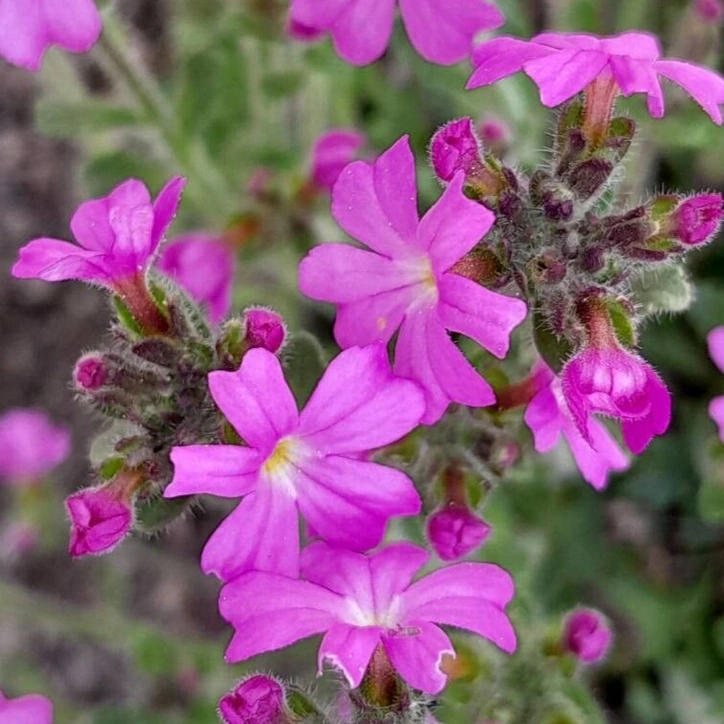
In late spring and early summer, cute clusters of small, pale purplish-pink flowers are borne atop erect leafy stems. Clusters of rose-pink flowers at the tips in spring and summer create a charming display, with each tiny flower measuring just a few millimetres across but appearing in such profusion that they create a delightful carpet effect. Short stems of starry magenta-pink or white flowers provide extended colour from late spring through to early autumn, with the plant often producing successive flushes of bloom.
Foliage
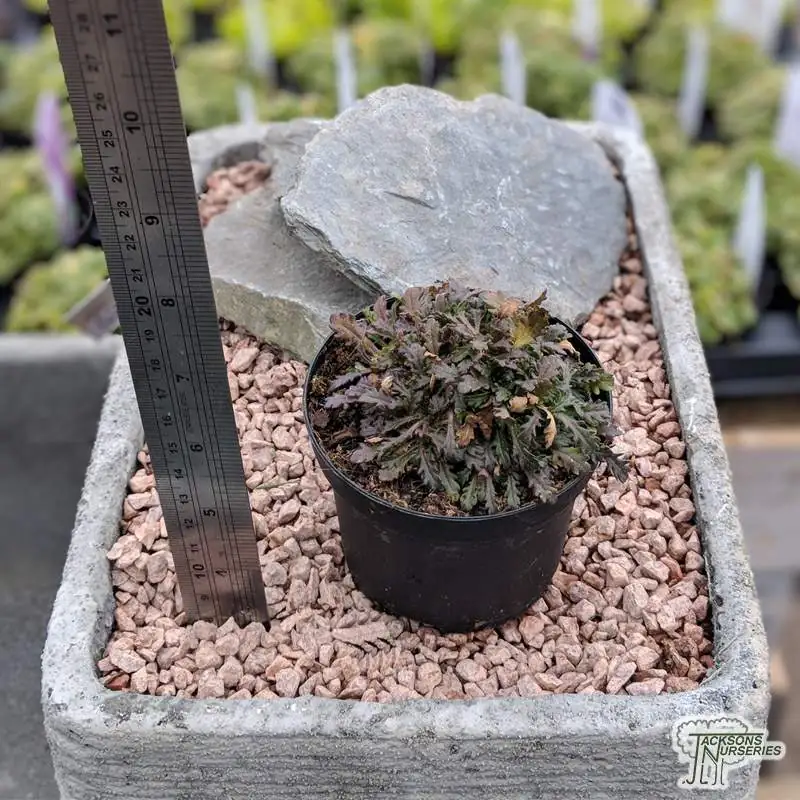
Low-growing semi-evergreen perennial forming charming rosettes of spoon-shaped leaves. 10 cm (4 in) stems of narrow blue-green leaves create attractive textural interest even when not in flower. Leaves about 1.5 cm, the lower forming a rosette. Sometimes quite hairy, giving the plant additional tactile appeal and helping it cope with alpine conditions.
Growth Habit
These plants are clump forming and can become a tangle of flowers and stems when mature. The plant develops a neat, compact habit perfect for tight spaces in rock gardens and alpine collections. This plant will slowly self seed itself, allowing it to naturalise in suitable conditions without becoming problematically invasive.
Soil Requirements
Favours a well-drained soil and prefers rocky slopes and lime, making it ideal for alkaline conditions. Dry to medium moisture, well-drained soils suit it perfectly, though it will not tolerate waterlogged conditions which can cause the rosettes to rot.
Light Requirements
Sun or partial shade provides optimal growing conditions. In hot climates it will appreciate some shade, but in zone 5 it grows well in full sun. They will grow in almost any soil situation and light, but form more blooms in full sun.
Watering Needs
Drought tolerant once established, requiring minimal watering. The plant prefers drier conditions and excellent drainage, particularly during winter months when waterlogged soil can prove fatal to the small rosettes.
Planting
Plant from spring through early autumn in well-prepared, free-draining soil. Ideal for rock garden, wall or paving crevices. Space plants 10-15cm apart, though self-seeding will naturally fill gaps over time. Perfect for tucking into small spaces in dry stone walls or between paving stones.
Maintenance
A short-lived plant that is a perennial, living for about 5 years. It is reported to be short lived... bit of extra effort to maintain this plant in the garden. Trim after flowering to maintain appearance and encourage self-seeding. It can take anywhere from 2 to 5 years for plants to fully mature and achieve their maximum size and height.
Feeding
Minimal feeding required - this alpine plant thrives in poor, well-drained conditions. Avoid rich soils and high-nitrogen fertilisers which can make the plant soft and reduce its alpine character.
Rock Gardens
This very compact but free flowering plant is ideal for infilling in large rock gardens. The tiny flowers and neat habit make it perfect for miniature landscapes and detailed rock garden compositions.
Alpine Troughs
Just appreciating solely in alpine troughs where its diminutive size and charming flowers can be viewed at close quarters. Excellent for specialist alpine collections and container displays.
Wall Gardens
Perfect for colonising cracks and crevices in dry stone walls where it will self-seed and create naturalistic displays. The plant's preference for alkaline conditions makes it ideal for limestone walls.
Paving Gardens
Ideal for paving crevices where it softens hard landscaping and provides charming seasonal colour in the smallest spaces.
Naturalising
Superb when naturalised, the plant's self-seeding habit allows it to establish natural colonies in suitable rocky or gravelly areas with minimal intervention.
Companion Planting
Creates beautiful combinations with other small alpine plants such as saxifrages, sedums, and sempervivums. Pairs wonderfully with spring bulbs like crocus and dwarf narcissi for early season interest. Works well with other Award of Garden Merit winners for reliable alpine displays.
Potential Issues
Virtually pest and disease free. The main challenges are its short-lived nature requiring regular renewal and ensuring excellent drainage to prevent winter losses. This specimen will self seed so be aware as nice and attractive it is allow room for spread.
Seasonal Interest
-
Spring: Fresh rosettes emerge with developing flower buds
-
Late Spring/Summer: Clusters of small, pale purplish-pink, fragrant flowers all spring and summer long
-
Summer: Continued flowering with successive flushes throughout the season
-
Autumn: Late flowers continue until first frost, seed development
-
Winter: Semi-evergreen rosettes provide structure in milder areas
Hardy Zones and Regional Suitability
-
RHS Hardiness: Hardy in the UK down to temperatures of -20 to -15 degrees Celcius (RHS hardiness rating H6)
-
Temperature Tolerance: Z4-7 with excellent cold tolerance
-
Regional Notes: Native to Central and Southern Europe, and also to Morocco and Algeria
-
Performance Notes: Thrives in UK conditions, particularly in areas with good drainage and alkaline soils
Erinus alpinus represents exceptional value for gardeners seeking authentic alpine plants with Award of Garden Merit credentials. Its charming miniature flowers, neat habit, and ability to naturalise in suitable conditions make it perfect for rock gardens, wall crevices, and alpine collections where its delicate beauty can be fully appreciated. This is a great addition to the rock garden to fill in bare patches... a great infill that is popular with pollinating insects, ensuring this tiny treasure provides both ornamental value and ecological benefits in the alpine garden.
Buying Alpines from Jacksons Nurseries
At Jacksons Nurseries we lightly trim back our alpines after flowering to ensure that the plants remain neat and tidy whilst in the pot. The more tender the plant the less we cut back to help protect exposed stems from winter frost. Depending on the plant variety we will then prune back further in spring once the risk of the more severe frosts is over.
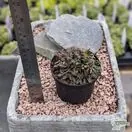
As a result, depending on the time of year you buy alpines, they may not look like images showing their ‘prime time’ in flower and looking at their best.
Availability: Stock availability figures are provided as a guide only. There is a delay between orders being placed and the plants being gathered by our pulling team. During this time it may be possible for a member of the public to purchase these plants from our Garden Centre, while this is rare it is a possibility and we will notify you of any problems as soon as possible. This figure may also include plants that have not yet be flagged as unsaleable.
Pre-order: Pre-order times are given as a guide only and may vary dependent on the growing season. Orders containing Pre-ordered products will be shipped as a single order when all items become available. Large orders may be part shipped, please contact us on 01782 502741 or email
orders@jacksonsnurseries.co.uk.
From late autumn onwards and dependant on variety, there may be very little visible above the soil except for a few cut back dormant leaves or stems. It is perfectly normal for dormant plants to look like this from autumn onwards, they will however burst back into life in spring.
Alpines are a group of perennials that generally grow in rocky conditions at high altitudes.
As for all plants, soil preparation is time well spent. Dig over the area to be planted ensuring that the ground is free draining. If not then you may wish to either consider planting in a different spot or raising the level of the planting area by adding additional topsoil, well rotted garden compost and/or well rotted manure. Add ‘Fish, Blood and Bone’ fertiliser or a high potash fertiliser to encourage good root growth and development.
It’s always a good idea to plant a few of the same plant together, we recommend planting in 3’s or 5’s to provide a bold effect but allowing them plenty of room to develop.
By using this simple guide and a little time, alpines can make an absolutely spectacular difference to your garden.