
Corylus Avellana
Corylus avellana, commonly known as Hazel or Common Hazel, is a versatile and valuable native British shrub or small tree that deserves a place in every garden. This deciduous plant is cherished for its beautiful winter catkins that herald the approach of spring, its delicious edible hazelnuts (also called cobnuts or filberts) in autumn, and its attractive, textured foliage throughout the growing season. Steeped in British folklore and wildlife value, hazel has been cultivated for thousands of years for its flexible stems used in hurdle-making, basketry, and walking sticks. Easy to grow, tolerant of most conditions, and offering multi-seasonal interest plus harvestable nuts, Corylus avellana is an excellent choice for wildlife gardens, edible landscapes, woodland plantings, and traditional hedgerows.
Key Features
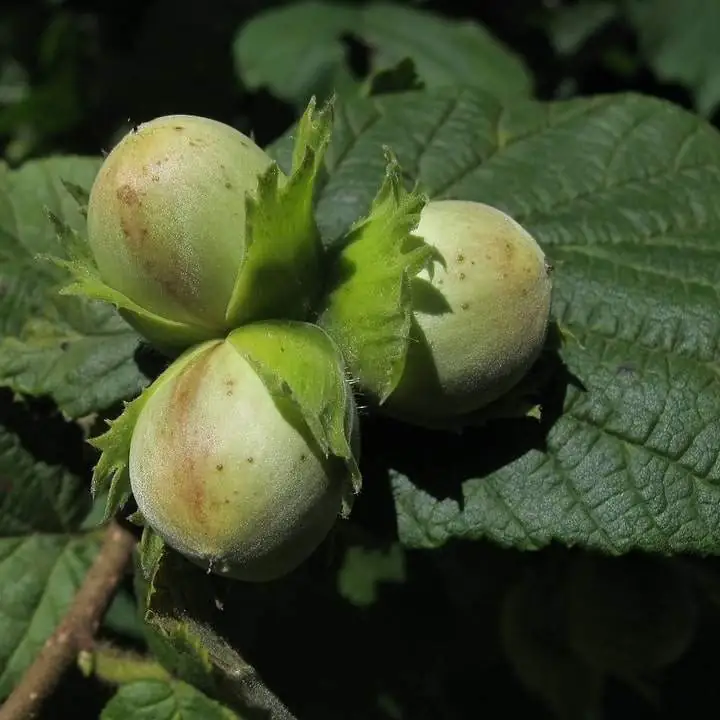
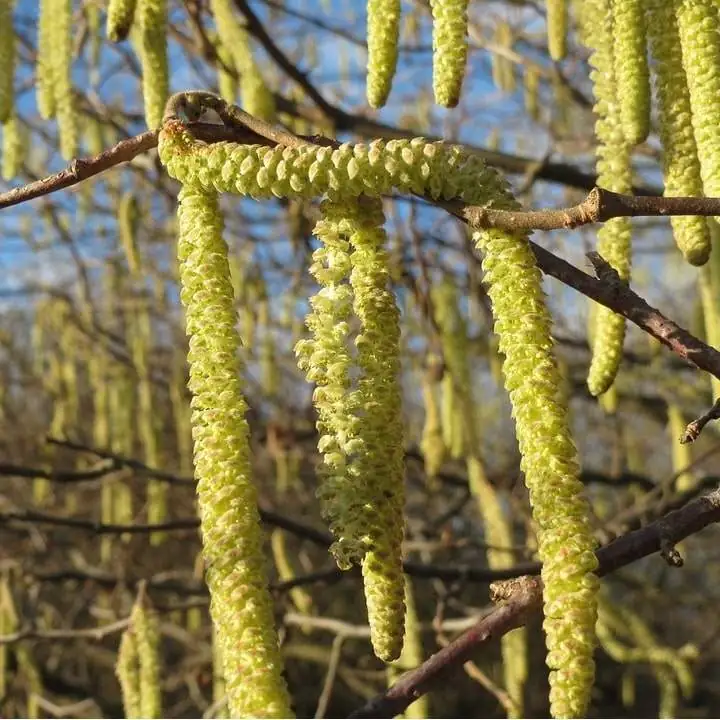
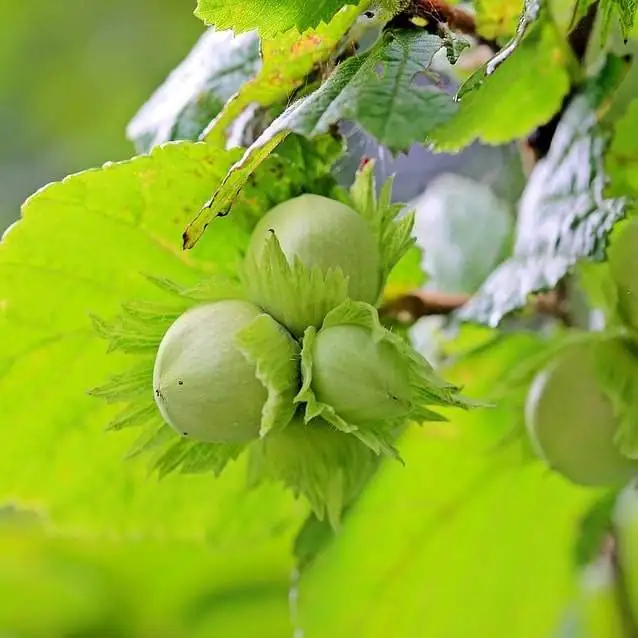
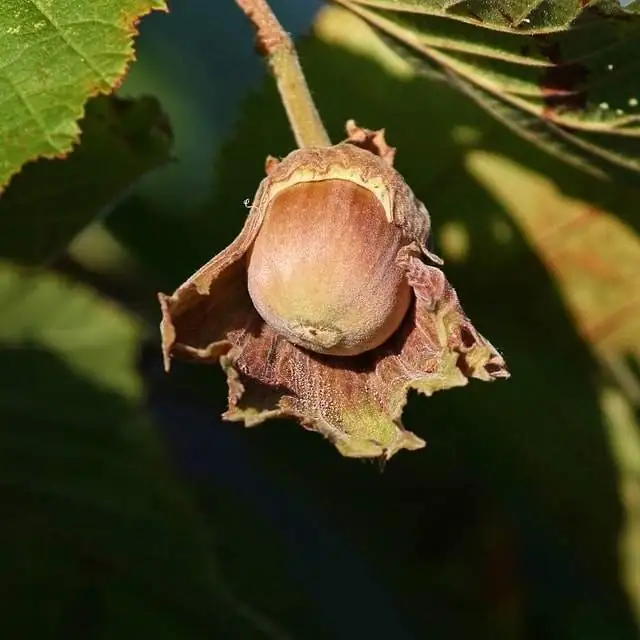
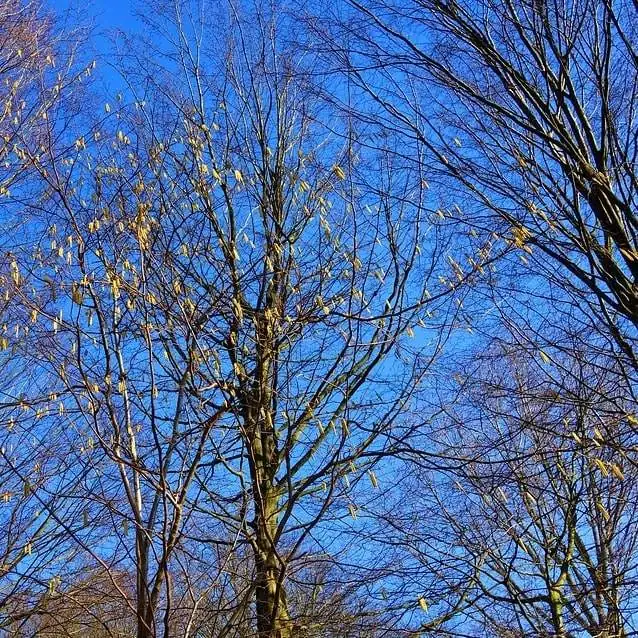
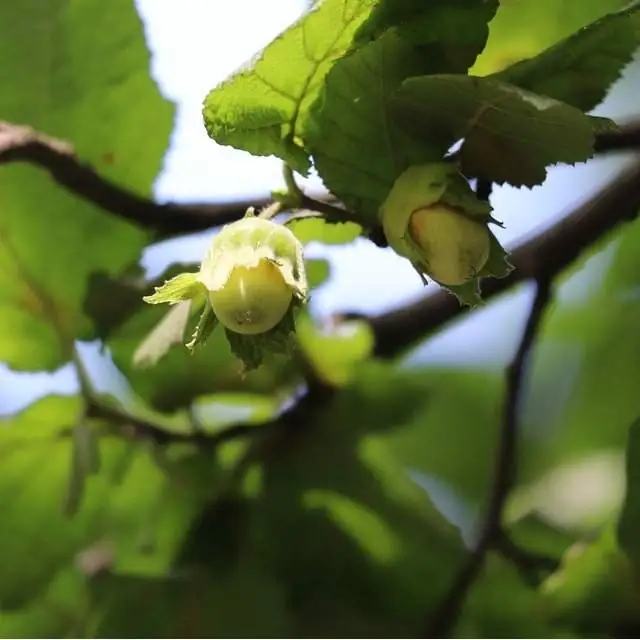
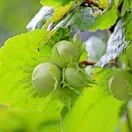
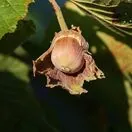
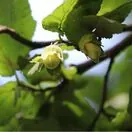
Hazel offers exceptional value through multiple seasons and uses. In late winter (January-March), long before most plants show signs of life, elegant pale yellow male catkins—known as "lamb's tails"—dangle from bare branches, creating a beautiful display and providing vital early pollen for bees and other insects. The inconspicuous female flowers, appearing as tiny red tufts on the same plant, develop into clusters of hazelnuts encased in distinctive leafy bracts. The nuts ripen in autumn, providing delicious edible crops for humans and essential food for wildlife, particularly squirrels, jays, woodpeckers, and nuthatches.
Throughout summer, the shrub produces attractive, rounded, softly hairy leaves with serrated edges that create a lush, textured appearance. In autumn, the foliage turns beautiful shades of butter yellow before falling. The multi-stemmed structure creates an attractive, naturalistic form, whilst the smooth, grey-brown bark with horizontal lenticels adds subtle winter interest. As a native British plant, hazel supports an extraordinary diversity of wildlife—more than 70 species of insects are associated with it, plus numerous birds and mammals.
Growing Conditions
Corylus avellana is remarkably adaptable and thrives in a wide range of conditions throughout the United Kingdom. It performs well in full sun to partial shade, though full sun produces the heaviest nut crops. The shrub tolerates quite deep shade, where it will still grow successfully though nut production may be reduced. Hazel isn't particularly fussy about soil type and grows happily in clay, loam, or sandy soils, from acidic to alkaline conditions, though it prefers reasonably fertile, moisture-retentive soil with good drainage. Being a native British plant, it's completely hardy and withstands severe frost, cold winds, and exposed positions. It tolerates urban pollution, coastal conditions (though not salt-laden winds directly on the coast), and difficult sites admirably.
Hazel is notably tolerant of competition from other plants and performs well beneath deciduous trees or in woodland edges, making it valuable for layered planting schemes. It prefers areas with adequate rainfall but, once established, shows reasonable drought tolerance.
Size and Growth
Corylus avellana naturally forms a multi-stemmed large shrub or small tree that typically reaches 4 to 6 metres in height with a similar spread when left to grow freely, though it can reach 8-10 metres in ideal conditions over many years. However, hazel's true versatility lies in its response to management—it can be maintained at virtually any size through pruning or traditional coppicing. Growth is moderate to vigorous—approximately 30-60 centimetres per year depending on conditions—meaning it establishes reasonably quickly.
When grown as a standard tree with a single trunk, it develops a broad, rounded canopy. As a multi-stemmed shrub, it creates a dense, bushy habit. When coppiced (cut to ground level periodically), it produces multiple straight stems highly valued for traditional crafts. For hedging, hazel can be maintained at 1.5-3 metres or higher. This adaptability to various forms and sizes makes hazel suitable for gardens from small to large. Bare root plants establish readily when planted during the dormant season and typically show good growth in their first spring.
Bare Root is usually dispatched between early November and late March. Exact dates vary year to year depending on the weather. We cannot guarantee availability for a certain date at the beginning or end of the season.
Important Bare Root Care
As soon as you receive your bare root plants place the items upright in a bucket of clean water immediately leaving them for at least 2 hours. Only take plants out as you need them for planting.
Q: When is bare root season?
A: Our bare root season usually runs from November to March but it can depend on the weather conditions, we'd always recommend buying at the end of autumn rather than waiting for spring.
Q: Does the plant size include the roots?
A: No, all bare root plant sizes quoted exclude the roots.
Q: What size plants will I receive?
A: Stock size varies through the season, our 'Plant Size' are give as a guide and you will receive plants somewhere in that range. We are unable to specify exactly how tall the plants will be within that range.
Q: How old will the plants be?
A: Most of our 'Plant Sizes' include the age of the plant, this is shown as a sum e.g. 1+2 which in this case would indicate that the plants are 3 years old. The first number is how long the plant has spent in the seedbed and the second is the number of year it has spent lined out in the field. Where the sum starts with a 0+ this indicates that the plants were grown from a rooted cutting.
Q: Can I get a discount for bulk purchases?
A: We offer a discount banding on bare root plants making them cheaper the more you buy, see the table on each page for details of the price within each band.
Q: Do I need canes?
A: Bamboo canes are perfect for giving young saplings, hedging plants, climbers and other tall shrubs the support they need when they start to establish. Unless you are planting in a completely sheltered spot with very little chance of wind then we would always recommend using a cane for support.
Q: Do I need rabbit guards?
A: Spiral Rabbit Guards are the most popular, low cost tree protection for young saplings, seedlings, transplants and hedging plants from browsing animals such as voles, mice, rabbits and hares. Spiral Rabbit Guards have the ability to grow and expand with the growing tree, providing a sheltered environment for the tree. It's hard to say for certain if you will require the extra protection a rabbit guard provides, if your are aware of a particular pest problem in your planting location then we would recommend using them. Rabbit Guards are not suitable for 'evergreens' please see 'Shrub Shelters' for a suitable evergreen protection method.
Q: What is a shrub/tree shelter?
A: Shrub/Tree Shelters are similar to rabbit guards but are designed for use on evergreens that would sweat and die in rabbit guards. We supply shrub/tree shelters as a kit which includes the shelter, 1 Stake and 2 cable ties, one kit is required per plant.
Q: Do I need shrub/tree shelters?
A: If you are aware of any specific pest problems in your planting area then we would recommend using a shrub/tree shelter to give your young trees or hedging plants that extra protection.
| Size | Availability | Price | ||
|---|---|---|---|---|

|
In stock
|
£6.99 | ||
|
|
In stock
|
£11.99 |