

Rose 'Child of Mine' - Standard Rose Tree
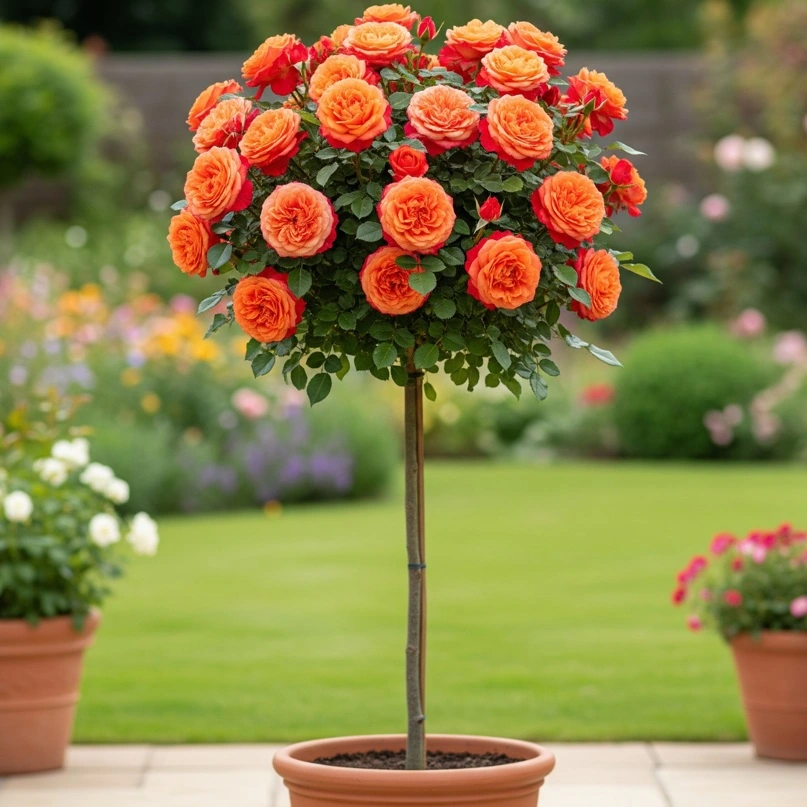
Rose 'Child of Mine' presented as a standard rose tree is a stunning focal point plant that brings structure, elegance, and abundant colour to any garden. This beautiful miniature-flowered rose has been grafted onto a clear stem of 90-120cm, creating the classic 'lollipop' or tree-like form that instantly adds height and architectural interest to borders, patios, and formal gardens. The grafted head becomes clothed in masses of delicate blooms throughout the growing season, creating a spectacular flowering display that appears to float above the garden.
Standard roses offer the charm and beauty of roses at eye level, making them perfect for creating vertical accents without the space requirements of climbing roses or the bulk of large shrubs.
What is a Standard Rose Tree?
A standard rose tree is created by grafting a flowering rose variety onto a tall, straight rootstock stem. In this case, the beautiful 'Child of Mine' rose has been grafted at approximately 90-120cm height, creating a clear, branchless trunk (or 'stem') topped with a rounded head of flowering growth. This grafting technique produces an elegant, formal appearance.
The result is a stunning specimen plant that combines:
-
A clean, architectural stem that adds instant height
-
A compact, flowering head that creates a crown of blooms
-
The ability to underplant beneath the clear stem
-
A formal elegance suitable for both traditional and contemporary gardens
The 'Child of Mine' Rose
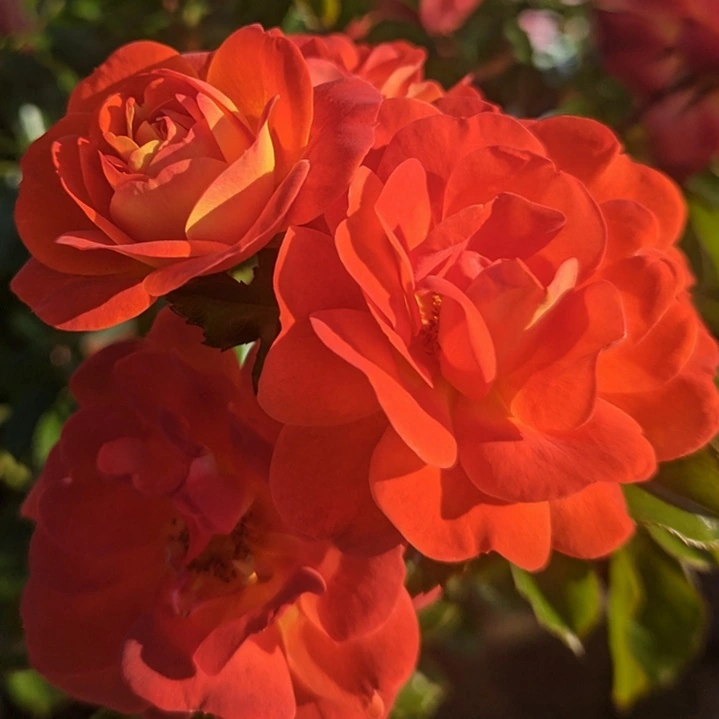
'Child of Mine' is a delightful miniature rose that produces an abundance of perfectly formed blooms. The flowers are exquisite small-scale versions of classic hybrid tea roses, each measuring approximately 3-4cm across. The blooms display beautiful colouring in a bring, warming shade of vibrant orange-red.
Each flower is elegantly shaped with high centres and gently reflexing petals, exhibiting the classic rose form in miniature. The blooms are produced in generous clusters, ensuring that the head of the standard is covered in colour throughout the flowering season. The flowers emit a light, sweet fragrance—subtle but pleasant when you're able to enjoy them at nose height.
Growth Habit and Size
The overall height of this standard rose tree is approximately 120-160cm from ground level to the top of the flowering head, comprising:
-
A clear stem of 90-120cm (the branchless trunk)
-
A grafted head that forms a rounded crown of 40-50cm in diameter
This compact size makes 'Child of Mine' standards ideal for smaller gardens, patio containers, or formal plantings where you want impact without overwhelming the space. The miniature flowers and relatively small leaves keep the overall appearance neat and refined, whilst the abundant flowering ensures excellent visual impact.
The flowering head naturally forms a rounded, bushy crown without extensive pruning, maintaining an attractive 'lollipop' shape with minimal intervention.
Flowers and Foliage
Flowering: The blooms appear in successive flushes from late spring through to the first frosts, typically from June through October. The peak flowering periods are in early summer and again in late summer to early autumn, with sporadic blooming in between. Each cluster of flowers lasts well, providing extended colour, and the plant is rarely without at least some blooms during the growing season.
The flowers are weather-resistant for their size, holding up well to rain and not spotting or discolouring easily. They're also excellent for cutting, allowing you to bring the beauty indoors where their perfect miniature form can be appreciated up close.
Foliage: The leaves are small, semi-glossy, and dark green, perfectly proportioned to the miniature flowers. The foliage is generally healthy and provides an attractive backdrop that makes the soft apricot and pink blooms stand out beautifully. The compact leaf size contributes to the overall refined appearance of the plant.
Hardiness and Climate Suitability
Standard roses are fully hardy throughout the UK in all but the most extreme hard frosts when it's advisable to protect the graft union.
Planting and Position
Sunlight Requirements: Plant in full sun (minimum 6 hours daily) for the best flowering and to maintain compact, healthy growth in the head. The elevated position of the flowering crown means it typically receives excellent light, even in beds with taller surrounding plants.
Soil Preferences: Plant in well-drained, fertile soil enriched with plenty of organic matter. Standard roses cannot tolerate waterlogged conditions, as this will damage the rootstock. Aim for a slightly acidic to neutral pH (6.0-7.0). If planting in containers, use a high-quality, soil-based compost such as John Innes No. 3 mixed with some additional well-rotted compost or manure.
Staking: This is critical for standard roses. At planting time, insert a sturdy stake (approximately 2.5cm diameter, treated timber or coated metal) alongside the stem, reaching to just below the graft union. The stake should be firmly anchored at least 45-60cm into the ground to provide adequate support.
Secure the stem to the stake using proper rose ties or adjustable straps at two or three points along the stem. Avoid wire or string that can cut into the bark. Check ties regularly and loosen as needed to prevent constriction as the stem thickens slightly.
The stake is not a temporary measure—it should remain in place for the life of the plant, as standard roses never develop sufficient strength to stand unsupported, especially in windy conditions.
Planting Depth: Plant so that the root union (the knobby graft point on the rootstock, usually at soil level) is positioned at the same depth it was growing in the pot. The clear stem should stand vertically—use a spirit level if necessary to ensure it's perfectly upright.
Container Growing: Standard roses are excellent for containers and this is often the preferred method, especially in colder climates where the container can be moved to a protected location for winter. Use a container at least 45cm in diameter and depth, with adequate drainage holes. Terra cotta or heavy ceramic pots provide stability, which is important given the top-heavy nature of standards.
Care and Maintenance
Watering: Standard roses require consistent moisture, particularly when grown in containers. The elevated flowering head means the plant transpires more than bush roses, increasing water needs. During the growing season, water deeply 2-3 times per week in the ground, or daily for container-grown specimens in hot weather.
Water at the base, avoiding the foliage. Check container-grown plants daily during summer, as they can dry out rapidly. In autumn, reduce watering as the plant prepares for dormancy.
Feeding: Standard roses are hungry plants due to their vigorous flowering:
-
Apply a balanced rose fertiliser in early spring as new growth emerges
-
Feed every 4-6 weeks during the growing season until late summer
-
For container-grown standards, use a liquid feed every two weeks during the flowering season, as nutrients leach more quickly from pots
-
Apply a mulch of well-rotted manure around the base in late winter (but not touching the stem)
Stop feeding by late August to allow the wood to harden before winter.
Pruning: Proper pruning maintains the attractive lollipop shape and encourages abundant flowering:
Main Pruning (Late Winter/Early Spring):
-
Remove any dead, damaged, diseased, or crossing branches from the head
-
Reduce all remaining stems in the head by approximately one-half to two-thirds, cutting to outward-facing buds
-
Aim to create a balanced, rounded crown
-
Remove any growth appearing on the clear stem immediately—these suckers from the rootstock must not be allowed to develop
Summer Maintenance:
-
Deadhead regularly by cutting spent flower clusters back to the first strong leaf with 5 or 7 leaflets
-
Remove any suckers from the stem or below ground as soon as they appear
-
Watch for shoots growing from below the top graft union and remove these promptly
The goal is to maintain a neat, rounded head and encourage continuous flowering throughout the season.
Uses in the Garden
Standard roses offer unique design opportunities:
-
Formal Gardens: Plant in pairs to flank pathways, doorways, or gates
-
Mixed Borders: Use as focal points, creating height without width
-
Patio and Terrace: Perfect for containers, bringing colour and elegance to hard landscaping
-
Rose Gardens: Mix with bush roses to add height variation and architectural interest
-
Underplanting: The clear stem allows for planting beneath—try low-growing perennials, bulbs, or bedding plants
-
Formal Bedding: Plant in a grid pattern with complementary underplanting for a classic, structured look
-
Small Gardens: Provide vertical interest without consuming valuable ground space
Pest and Disease Management
Standard roses require the same pest and disease management as bush roses:
Common Issues:
-
Aphids: Particularly troublesome on new growth in spring. The elevated position makes them easy to spot and treat—spray with water or use insecticidal soap
-
Black Spot: Can affect foliage, especially in humid conditions. Remove affected leaves promptly and ensure good air circulation around the head
-
Powdery Mildew: May occur in dry conditions with cool nights. Avoid overhead watering and ensure adequate feeding
-
Rose Sawfly: Can defoliate plants rapidly. Hand-pick larvae or use appropriate treatments
Prevention:
-
Choose a position with good air circulation
-
Water at the base, keeping foliage dry
-
Remove and dispose of fallen leaves in autumn
-
Feed appropriately to maintain plant vigour
-
Inspect regularly, as the eye-level position makes early detection easy
Wildlife Benefits
The abundant flowers provide nectar for bees, butterflies, and other pollinators throughout the growing season. The elevated position makes the flowers particularly accessible to flying insects. Deadheading prevents hip formation, so the plant's wildlife value is primarily as a nectar source.
Companion Planting
Underplanting Ideas: The clear stem creates valuable planting space beneath the flowering head:
-
Spring Bulbs: Crocuses, dwarf daffodils, or muscari for early season interest
-
Low-Growing Perennials: Violas, dwarf geraniums, or creeping thyme
-
Silver Foliage: Lamb's ear (Stachys byzantina) or Artemisia 'Silver Mound'
-
Herbs: Thyme, chives, or parsley create attractive, practical underplanting
-
Seasonal Bedding: Pansies, primulas, or begonias for continuous colour
Border Companions:
-
Lavender or catmint (Nepeta) in complementary purple tones
-
Purple or blue salvias
-
Pink or white perennial geraniums
-
Silver foliage plants for contrast
Important Considerations
Wind Exposure: Standard roses are inherently vulnerable to wind damage due to their top-heavy structure and exposed graft union. Avoid planting in very exposed positions, or provide windbreak protection. Even with proper staking, severe winds can damage the stem or graft union.
Lifespan: With proper care, standard roses can live for many years, though they're generally not as long-lived as bush roses. The exposed graft union and stem make them more vulnerable to environmental stresses and physical damage.
Container Care Specifics
For container-grown standards:
-
Repot every 2-3 years in early spring, moving up one pot size or root-pruning and returning to the same container with fresh compost
-
Ensure the container is heavy enough to prevent toppling—add stones or gravel to the base if needed
-
Place pot feet beneath to ensure excellent drainage
-
Move to a sheltered position for winter in colder climates
-
Feed more frequently than ground-planted specimens
Seasonal Interest
Spring: New foliage emerges fresh and glossy. First flower buds appear in late spring, creating anticipation.
Summer: Peak flowering transforms the head into a globe of soft apricot and pink blooms. The elevated position makes the flowers highly visible and their fragrance accessible.
Autumn: Flowering continues, often with more intense colouration as temperatures cool. The elevated position allows late-season blooms to escape early ground frosts.
Winter: The bare stem and framework of branches create elegant structural interest in the winter garden, particularly attractive with frost or snow.
Summary
Rose 'Child of Mine' as a standard rose tree offers a perfect combination of elegance, practicality, and abundant beauty. The grafted lollipop form creates instant height and architectural interest, whilst the miniature flowers provide delicate charm and generous colour from late spring through autumn. The soft apricot-pink blooms appear at eye level where their perfect form and subtle fragrance can be fully appreciated.
Whilst standard roses require more attention than bush roses—particularly regarding staking, winter protection, and sucker removal—they reward this care with a unique presence that no other plant form can provide. They're especially valuable for:
-
Small gardens where vertical space is more available than horizontal
-
Container gardening on patios and terraces
-
Creating formal, structured plantings
-
Adding height variation to rose gardens
-
Bringing flowers to eye level for easier appreciation and care
For gardeners willing to provide appropriate staking, winter protection, and regular maintenance, 'Child of Mine' as a standard rose tree delivers months of refined beauty and creates a focal point that elevates any garden from ordinary to extraordinary. This is a rose that makes a statement whilst maintaining a compact footprint—the perfect solution for bringing classic rose elegance to modern gardens of any size.
Reasons to Buy Roses from Jacksons Nurseries
(1) ‘Excellent’ on Trustpilot
Buy with confidence from the only online rose grower rated ‘Excellent’ 4.9* on Trustpilot. We have been a trusted supplier of roses for 3 generations. We take pride in growing our own roses in the field before potting them up, allowing for meticulous quality control to sale.

(2) Best Prices Guaranteed – Direct from the Grower
Save £££s by buying direct from a grower you can trust. We’ve already price checked all of our roses against competitors so you don’t have to. We are so confident we offer the best value, if you find a rose of the same type and grade elsewhere, we’ll beat it by 10%.

(3) 12 Month Plants Guarantee
We offer a 12 month guarantee on every plant that you buy from us that we have classified as Fully Hardy. If a plant you've bought from us fails in the first year, we will either replace it or refund you. See our satisfaction guarantee page for more details and conditions.

(4) Third generation family-owned nursery specialising in roses
Jackson’s Nurseries is a 3rd generation family owned business which has been growing roses for over 60 years. Roses have always been our specialty, as you can see from the colourful array of blooms in the background to the old family photo below. Today, we offer over 200 different varieties of floribundas, hybrid teas, patio, shrub and David Austin roses. Our roses are initially grown in the field before being potted up for website dispatch.

(5) Grown at altitude to produce strong, healthy plants
Our North Staffordshire nursery is situated at 250 metres above sea level, producing strong, hardy plants that will thrive in your garden. Our nursery sits on clay, so you can be sure our roses can handle heavy soil too.

(6) Help & Advice and Aftercare
We are help to help you with any help and advice you need in choosing, planting and growing your roses before, during and after your purchase from us. The help and advice section of our website has extensive information, see below some examples of articles you may find useful:
- Different types of roses and what they each mean
- Guide to climbing roses
- Guide to floribunda roses
- Guide to hybrid tea roses
- How to plant a climbing rose
- How to grow hybrid tea roses

How our roses are supplied through the seasons
All our roses are cultivated in an open field and are carefully dug up when the weather is optimal, typically in October or November. While other nurseries supply roses bare root, once our field-grown roses have been potted up we supply them freshly potted. This better protects the roots and helps keep them moist in transit, ensuring your roses arrive as healthy as when they left our nursery. So don’t be alarmed if the compost comes away from the roots when you remove them from the pot.

The roses can remain in their pots over the winter, as long as they are properly watered and fed, but it's best to plant them out as soon as possible. If you do plant them straight away make sure the planting mix is prepared first, hold the root close to the top of the hole as you tip the pot upside down and try to keep as much compost as possible from falling away. They will already be pruned, so no additional pruning is needed except for trimming any dead tips. Regular pruning can start in late winter, the year after planting.

Rose Types
Hybrid Tea Roses (HT)
Hybrid Tea roses are probably the most popular group of roses, available in both bush and standard form they have long flower stems and shapely blooms. Blooms are typically medium to large in size, with many petals which form a distinct central cone.
Floribunda Roses (FL)
Floribunda roses bears its flowers in clusters or trusses, with several blooms open at time in each truss. A popular choice the Floribunda rose group is unrivalled for colour, reliability and longevity as a bedding display however the flower form in generally inferior to the Hybrid Tea.
Patio Roses (PATIO)
Patio roses were introduced in the 1980’s and the group now contains several popular varieties. Generally low-growing roses that were once grouped with the Floribuna group but have now been put in their own group of compact versions. Usually growing about 50cm high they make excellent plants for patio containers or at the front of borders.
Climbing Roses (CLM)
Climbing roses as the name suggests are the perfect choice for covering a wall or screen. Often grouped together with Ramblers, Climbers tend to have stiffer stems, larger flowers but smaller trusses than Ramblers.
Rambling Roses (RAM)
Rambling roses are often grouped with Climbing Roses but the ramblers tend to have a more pliable stems that can be used to run along the soil to use as groundcover or can be used to make weeping standards.
Miniature Roses (MINI)
Miniature roses have increased in popularity in recent years due to their versatility, even grown indoors as temporary pot plants that grow to a maximum height of 40cm. An ideal choice for planting in tubs, edging beds and rockeries.
English Roses (ENG)
Often referred to as Austin or David Austin Roses, English roses are hybrids of old English roses and more modern varieties bread by David Austin to provide the best of both, mixing old rose shapes and scents with more modern colour range, compact habits and repeat flowering.

Planting Advice
Roses like a generous root space, so dig a deep hole approximately twice as wide as the current root system, preferably adding composted organic matter to the soil. Never plant into frozen soil – in winter, await a frost-free period. Carefully remove the pot and gently tease the roots apart to spread them around the hole. Position the plant so that the ‘bud point’ (the place where the shoots emerge from, where the cultivated rose was grafted onto the rootstock) is at soil level. Replace the soil, firming it down gently, then water copiously. Ideally, a general purpose fertiliser should be applied to the surrounding soil as a top dressing. We also highly recommend the use of Rose Rootgrow, which provides a friendly fungus that prevents ‘rose replant syndrome’.

Buying our Roses
Pot Size
Most of our roses are supplied in a 4 litre pot although this may vary slightly depending on rose variety. If the size of pot differes significatly from 4 litres then we will make this clear somewhere on the product page.
Seasonality
Our roses are grown outdoors and as such are subject to seasonal changes. As we sell potted stock throughout the year your rose may not arrive and look like you expect it to. If you are uncertain how your rose will arrive (especially if buying for a gift) then we suggest you contact us prior to making a purchase.
Freshly Potted
Each year a new batch of roses is potted up ready for the following season. Once potted (usually November/December time) they go on sale as 'Freshly Potted'. If you purchase a freshly potted rose and plant it soon after you will find that when removing the rose from the pot there will be a lot of loose soil as the roots will not have had time to grow and bind the compost.

Pruned/Cut Back
In autumn the majority of our roses have finished flowering and begin to look untidy, at this point we prune them quite hard in preparation for the following season. We continue to sell roses throughout the year, when a rose has been pruned in such a way we will identify it has being so. If you are not sure what to expect then please ask prior to making a purchase. Some garden centres/supermarkets sell stock that has been grown abroad or in poly-tunnels so they look 'picture perfect' out of season, while this is ideal for a gift they are short lived once planted.
Aftercare

No posts found
| Size | Availability | Price | ||
|---|---|---|---|---|

|
In stock
|
£49.99 |