
Narcissus 'Rip van Winkle' - The Charming Double Daffodil
Overview
Narcissus 'Rip van Winkle' is a delightful miniature daffodil that brings cheerful yellow blooms to your garden from late winter through early spring. This compact variety is perfect for naturalising in grass, filling containers, or creating charming displays in rock gardens. With its distinctive double flowers and reliable flowering habit, 'Rip van Winkle' has been a beloved garden favourite since its introduction.
Key Features
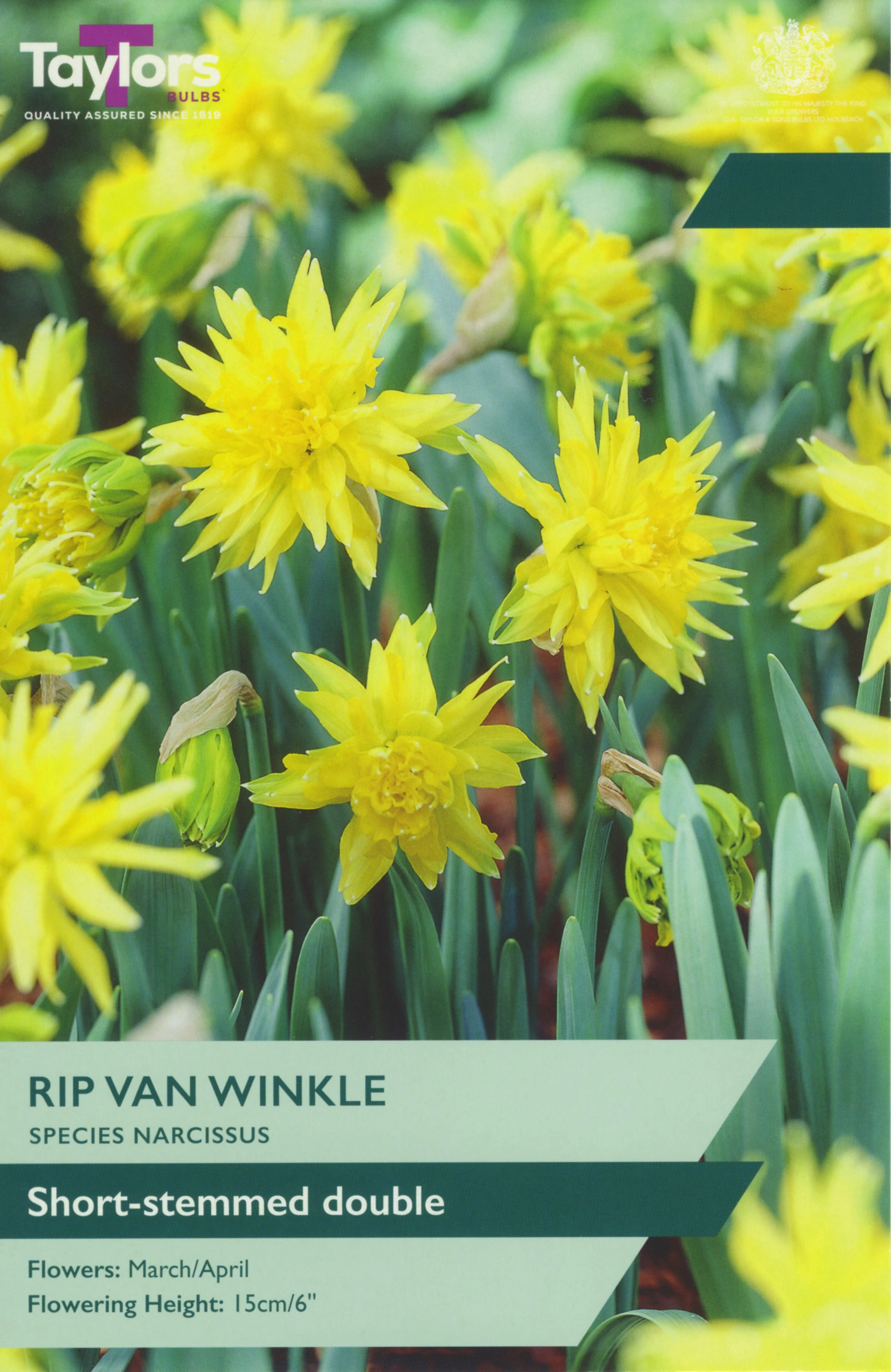
Flower Characteristics: Small, fully double flowers in bright golden-yellow with slightly irregular, ruffled petals that give each bloom a unique, cottage garden charm. The flowers measure approximately 3-4cm across and have a delicate, sweet fragrance.
Plant Size: Compact growing habit reaching 10-15cm in height with a similar spread, making it ideal for smaller gardens and containers.
Flowering Period: February to March, often one of the earliest daffodils to flower, providing valuable early colour when little else is blooming.
Growing Conditions
Sunlight Requirements: Thrives in full sun to partial shade. Morning sun with afternoon shade is particularly beneficial in warmer regions.
Soil Preferences: Well-draining soil is essential. Tolerates most soil types including clay, loam, and sandy soils, provided drainage is adequate. Prefers neutral to slightly alkaline conditions (pH 6.0-7.5).
Hardiness: Fully hardy in the UK (RHS hardiness rating H5), tolerating temperatures down to -15°C. Suitable for planting throughout Britain and Ireland.
Moisture: Requires moderate moisture during the growing season but must have good drainage to prevent bulb rot during dormancy.
Planting Guide
When to Plant: September to November for flowers the following spring, though October is optimal for best establishment.
Planting Depth: Plant bulbs at a depth of 10-12cm (approximately three times the height of the bulb).
Spacing: Space bulbs 7-10cm apart for natural drifts, or closer for more intensive displays.
Location: Excellent for rock gardens, alpine troughs, containers, front of borders, or naturalising in short grass areas.
Care Instructions
Watering: Water regularly during active growth in spring, but allow soil to dry out naturally after flowering when foliage dies back.
Feeding: Apply a balanced fertiliser or bone meal in early spring as shoots emerge. A light dressing of compost in autumn is beneficial.
Post-Flowering Care: Allow foliage to die back naturally (typically 6-8 weeks after flowering) to ensure the bulb stores energy for next year's display. Avoid cutting back green leaves.
Maintenance: Generally maintenance-free. Deadhead spent flowers to prevent seed formation, but leave the stem and foliage intact.
Garden Uses
Naturalising: Perfect for creating informal drifts in grass areas where it will multiply naturally over time.
Containers: Excellent for window boxes, pots, and alpine containers where its compact size can be appreciated up close.
Rock Gardens: Ideal scale for rock gardens and scree beds, complementing other alpine plants beautifully.
Edging: Creates charming low borders along pathways or at the front of perennial beds.
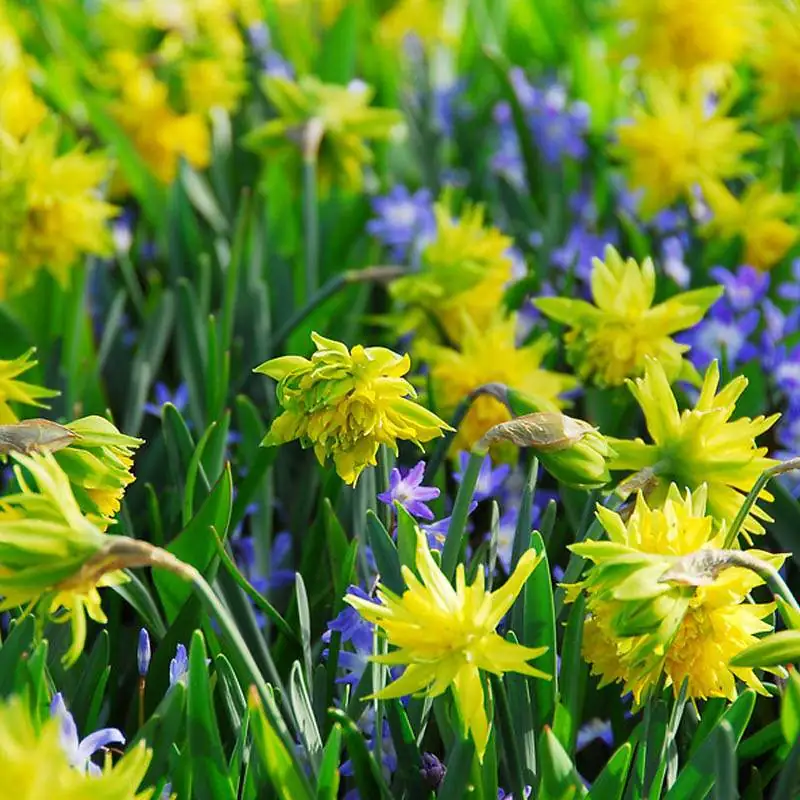
Companion Planting: Pairs wonderfully with other early spring bulbs such as crocuses, snowdrops, and grape hyacinths.
Benefits for Wildlife
Provides valuable early nectar for emerging bees and other pollinators when few other flowers are available. The early flowering period makes it particularly important for supporting wildlife through late winter.
Purchasing Information
Sold as dry bulbs, typically available from August through December. Each bulb will produce 1-2 flower stems. For best impact, plant in groups of 10-25 bulbs or more.
Special Notes
'Rip van Winkle' is a heritage variety that has been cherished by gardeners for generations. Its reliable nature and early flowering make it an essential addition to any spring garden scheme. The bulbs will naturalise readily in suitable conditions, increasing in number year after year to create ever more impressive displays.
Buying Bulbs from Jacksons Nurseries
Bulbs are supplied either in pre-packaged retail packs or in some cases they are loosly picked and sent bagged.