

Crocus Cream Beauty Bulb
Crocus chrysanthus 'Cream Beauty'
Overview
The Crocus Cream Beauty is a charming early spring bulb that brings delicate elegance to your garden when most other plants are still dormant. This compact perennial produces exquisite cream-coloured blooms with subtle golden centres, creating a soft, sophisticated display that signals the arrival of warmer days. Perfect for naturalising in lawns, rockeries, or containers, these hardy bulbs are an essential addition to any British garden.
Key Features
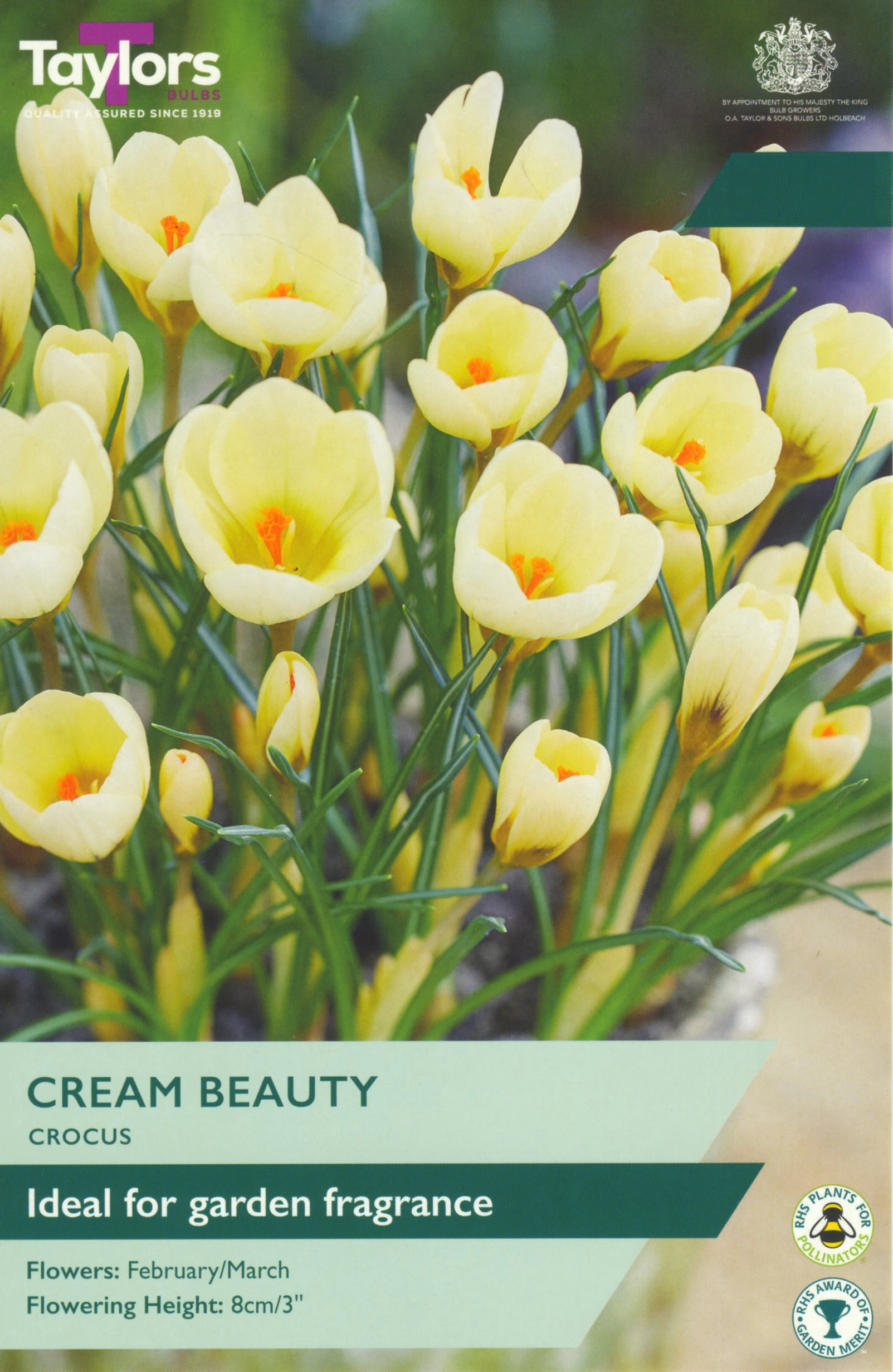
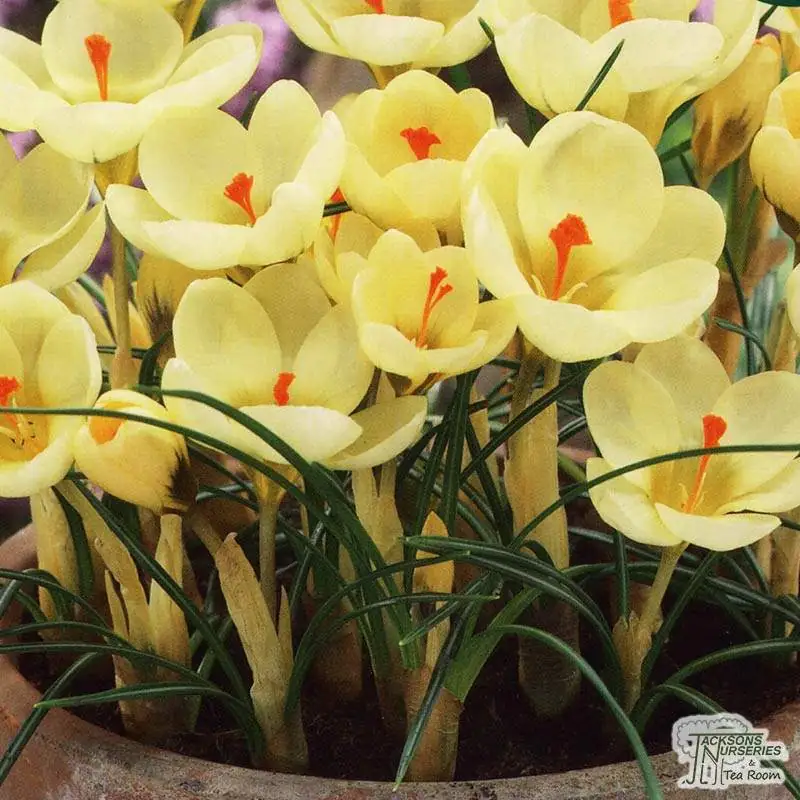
Flower Characteristics: The Cream Beauty crocus produces goblet-shaped flowers measuring 8-10cm across when fully open. The petals display a creamy white colour with delicate golden-yellow throats and prominent orange stamens that provide a striking contrast. Each bulb typically produces 1-3 flowers per season.
Foliage: Narrow, grass-like leaves emerge alongside the flowers, featuring distinctive white stripes down the centre. The foliage remains attractive throughout spring before naturally dying back in late spring to early summer.
Size and Spread: Mature plants reach 8-12cm in height with a similar spread. Over time, bulbs will multiply naturally through offset production, gradually forming attractive drifts.
Growing Requirements
Soil Conditions: Thrives in well-draining soil with good drainage being absolutely essential. Suitable for most soil types including clay, loam, and sandy soils, provided they don't become waterlogged. Prefers neutral to slightly alkaline conditions (pH 6.0-7.5).
Light Requirements: Performs best in full sun to partial shade. Requires at least 4-6 hours of direct sunlight during the growing season for optimal flowering.
Hardiness: Fully hardy in the UK. Excellent cold tolerance makes them reliable performers even in harsh winters.
Water Needs: Moderate water requirements during active growth in spring. Prefers drier conditions during summer dormancy period.
Planting Guide
When to Plant: Plant bulbs in autumn from September to November, before soil temperatures drop below 10°C.
Planting Depth: Plant bulbs 8-10cm deep (approximately three times the bulb's height) and 5-8cm apart.
Planting Method: Choose a sunny, well-draining location. Dig holes to the appropriate depth, place bulbs pointed end up, and backfill with soil. Water lightly after planting if soil is dry.
Spacing: For natural drifts, plant in groups of 10-25 bulbs. For formal displays, maintain regular 5-8cm spacing.
Care and Maintenance
Fertilising: Apply a balanced, slow-release fertiliser in early spring as shoots emerge. Bone meal worked into the soil at planting provides excellent long-term nutrition.
Watering: Water moderately during spring growth period. Avoid watering during summer dormancy to prevent bulb rot.
After Flowering Care: Allow foliage to die back naturally (typically 6-8 weeks after flowering) to ensure bulbs store sufficient energy for next year's display. Avoid mowing areas with naturalised crocuses until foliage has completely yellowed.
Division: Bulbs rarely need dividing but can be lifted and separated every 3-4 years if overcrowding occurs. Best done immediately after foliage dies back in late spring.
Design Ideas
Naturalising: Excellent for naturalising in grass areas, creating beautiful spring carpets. Plant randomly for the most natural appearance.
Rock Gardens: Perfect scale for rockeries and alpine gardens where their delicate flowers can be appreciated up close.
Container Growing: Suitable for pots, window boxes, and hanging baskets. Ensure containers have adequate drainage holes.
Companion Planting: Pairs beautifully with other early spring bulbs such as snowdrops, winter aconites, and early daffodils. Also complements emerging perennials like hellebores and pulmonarias.
Wildlife Benefits
Crocus Cream Beauty provides valuable early nectar for emerging bees, butterflies, and other pollinators when few other food sources are available. The flowers are particularly appreciated by honey bees and bumblebees on warm February and March days.
Expected Performance
Flowering Period: February to March, depending on local climate conditions.
Longevity: With proper care, bulbs will return reliably for many years, often increasing in number annually.
Establishment: Flowers typically appear the first spring after autumn planting, with displays improving in subsequent years as bulbs establish and multiply.
Common Varieties and Alternatives
Whilst Cream Beauty offers soft, sophisticated colouring, gardeners might also consider other Crocus chrysanthus varieties such as 'Blue Pearl' (pale blue), 'Goldilocks' (golden yellow), or 'Snow Bunting' (white with purple markings) to create diverse spring displays.
Troubleshooting
Poor Flowering: Usually caused by insufficient sunlight, poor drainage, or premature removal of foliage in previous seasons.
Bulb Rot: Typically results from waterlogged soil conditions. Ensure excellent drainage and avoid overwatering.
Pest Issues: Squirrels and mice may occasionally disturb newly planted bulbs. Covering planting areas with wire mesh until growth begins can provide protection.
The Crocus Cream Beauty offers reliable, low-maintenance spring colour that rewards minimal effort with maximum impact, making it an ideal choice for gardeners of all experience levels seeking to extend their garden's seasonal interest.
Buying Bulbs from Jacksons Nurseries
Bulbs are supplied either in pre-packaged retail packs or in some cases they are loosly picked and sent bagged.