
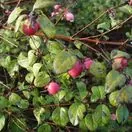
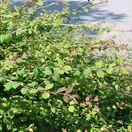
Symphoricarpos × chenaultii 'Hancock' Bare Root
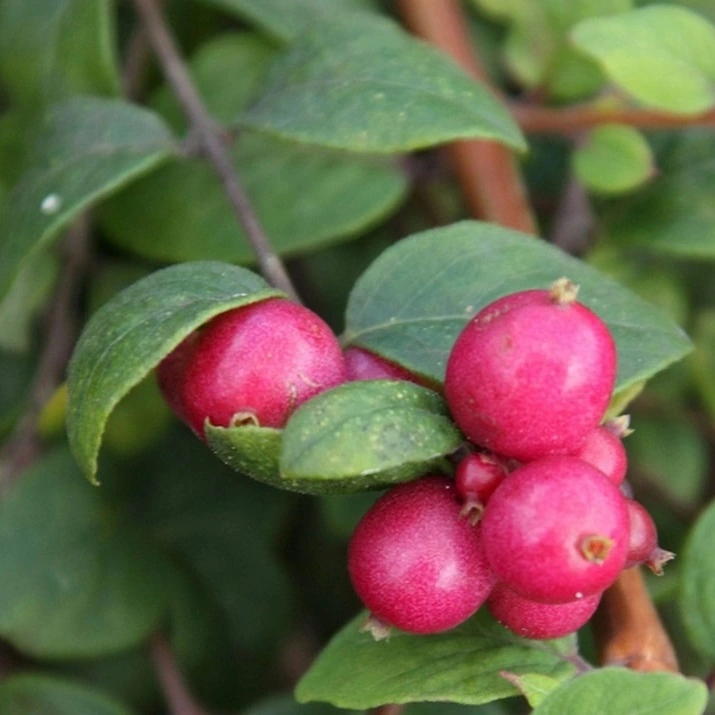
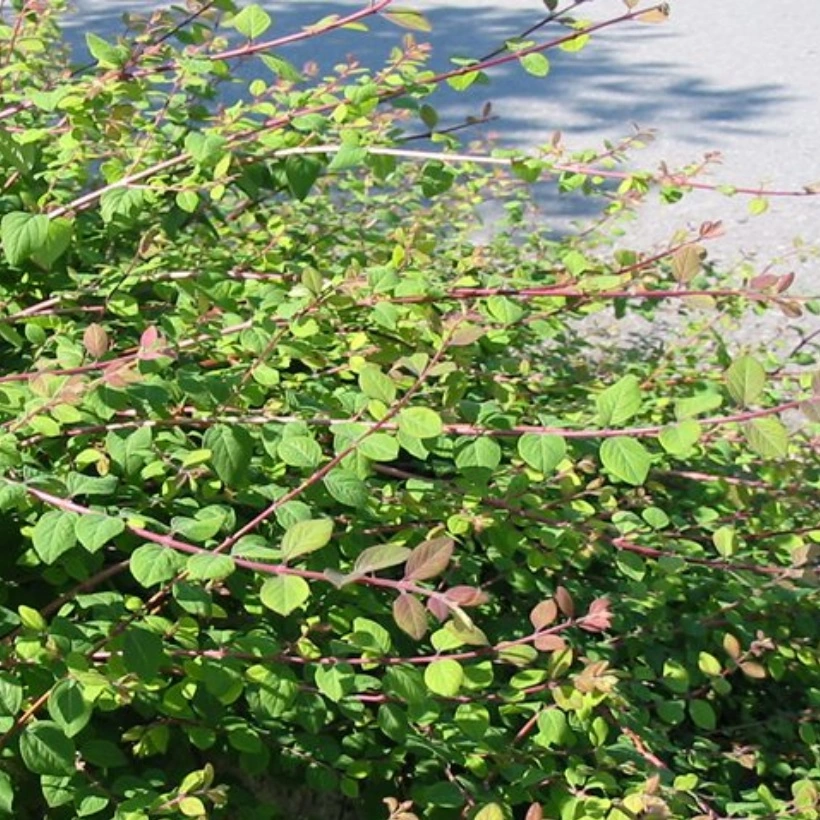
Hancock Coralberry is a superb low-growing groundcover shrub that brings year-round interest to your garden. This hardy deciduous plant forms a dense carpet of arching stems, making it ideal for challenging slopes, banks, or anywhere you need reliable groundcover. With its charming pink berries in autumn and excellent disease resistance, 'Hancock' is a low-maintenance choice for gardeners seeking both beauty and practicality.
Key Features
- Height & Spread: Grows to approximately 60cm tall and spreads up to 2 metres wide
- Hardiness: Fully hardy (RHS H6) – tolerates temperatures down to -20°C
- Soil: Thrives in virtually any soil type, including poor, dry conditions
- Aspect: Happy in full sun or partial shade
- Growth Rate: Moderate to fast-growing once established
What to Expect
Spring & Summer The plant produces small, insignificant pink-white flowers in summer that, whilst modest, attract pollinating insects to your garden.
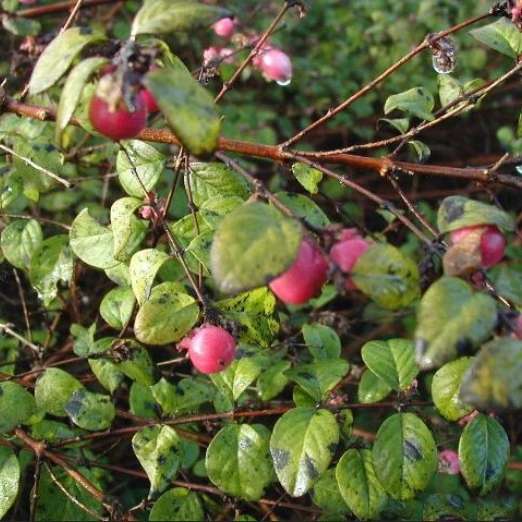
Autumn & Winter The real show begins in autumn when clusters of coral-pink to white berries appear, providing valuable food for birds and adding colour when many other plants are fading. The berries often persist well into winter.
Year-Round Groundcover The dense, spreading habit effectively suppresses weeds whilst the arching branches create attractive texture, even when leafless in winter.
Ideal Uses
- Erosion control on slopes and banks
- Groundcover in challenging areas with poor soil
- Wildlife gardens – berries for birds, flowers for pollinators
- Low-maintenance areas where robust plants are needed
- Underplanting beneath trees and large shrubs
Planting & Care
Planting Your Bare Root Plant between November and March whilst the plant is dormant. Soak the roots in water for a few hours before planting. Dig a hole large enough to accommodate the root system, ensuring the previous soil mark on the stem sits at ground level. Firm in well and water thoroughly.
Ongoing Care
-
Water regularly during the first growing season to help establishment
-
Once established, 'Hancock' is remarkably drought-tolerant
-
Trim back in late winter if needed to control spread or maintain shape
-
No feeding necessary – this plant thrives on neglect!
Why Choose 'Hancock'?
This cultivar is particularly valued for its vigorous spreading habit and reliability. Unlike many groundcover plants, it genuinely thrives in poor conditions where other plants struggle. It's an excellent choice for difficult spots in the garden, requiring virtually no maintenance once established. The wildlife benefits and attractive berries are simply a bonus to this workhorse of a plant.
Perfect for: Beginner gardeners, low-maintenance gardens, wildlife-friendly planting, and problem-solving difficult sites.
Bare Root is usually dispatched between early November and late March. Exact dates vary year to year depending on the weather. We cannot guarantee availability for a certain date at the beginning or end of the season.
Important Bare Root Care
As soon as you receive your bare root plants place the items upright in a bucket of clean water immediately leaving them for at least 2 hours. Only take plants out as you need them for planting.
Q: When is bare root season?
A: Our bare root season usually runs from November to March but it can depend on the weather conditions, we'd always recommend buying at the end of autumn rather than waiting for spring.
Q: Does the plant size include the roots?
A: No, all bare root plant sizes quoted exclude the roots.
Q: What size plants will I receive?
A: Stock size varies through the season, our 'Plant Size' are give as a guide and you will receive plants somewhere in that range. We are unable to specify exactly how tall the plants will be within that range.
Q: How old will the plants be?
A: Most of our 'Plant Sizes' include the age of the plant, this is shown as a sum e.g. 1+2 which in this case would indicate that the plants are 3 years old. The first number is how long the plant has spent in the seedbed and the second is the number of year it has spent lined out in the field. Where the sum starts with a 0+ this indicates that the plants were grown from a rooted cutting.
Q: Can I get a discount for bulk purchases?
A: We offer a discount banding on bare root plants making them cheaper the more you buy, see the table on each page for details of the price within each band.
Q: Do I need canes?
A: Bamboo canes are perfect for giving young saplings, hedging plants, climbers and other tall shrubs the support they need when they start to establish. Unless you are planting in a completely sheltered spot with very little chance of wind then we would always recommend using a cane for support.
Q: Do I need rabbit guards?
A: Spiral Rabbit Guards are the most popular, low cost tree protection for young saplings, seedlings, transplants and hedging plants from browsing animals such as voles, mice, rabbits and hares. Spiral Rabbit Guards have the ability to grow and expand with the growing tree, providing a sheltered environment for the tree. It's hard to say for certain if you will require the extra protection a rabbit guard provides, if your are aware of a particular pest problem in your planting location then we would recommend using them. Rabbit Guards are not suitable for 'evergreens' please see 'Shrub Shelters' for a suitable evergreen protection method.
Q: What is a shrub/tree shelter?
A: Shrub/Tree Shelters are similar to rabbit guards but are designed for use on evergreens that would sweat and die in rabbit guards. We supply shrub/tree shelters as a kit which includes the shelter, 1 Stake and 2 cable ties, one kit is required per plant.
Q: Do I need shrub/tree shelters?
A: If you are aware of any specific pest problems in your planting area then we would recommend using a shrub/tree shelter to give your young trees or hedging plants that extra protection.
Shrubs are deciduous or evergreen woody plants, and often provide fragrant flowers, berries and foliage. They are good for structural framework, and they can provide a wonderful shelter and food source for wildlife.
Planting and Conditions
Container grown shrubs can be grown at any time of year. It is a little known fact that shrubs planted in the autumn and winter will be easier to look after than those planted in the spring and summer, because they will have time to establish and become hardy in the cooler months.
Plant the shrub at the same depth as it was in its original pot. Planting too deeply can result in root and stem rot.
One of the biggest causes of death in new shrubs is drought stress, so keep it well watered until it’s established.
Make sure you loosen the soil prior to planting. Most shrubs are tolerant of most soil types as long as it is fairly well draining.
Most shrubs will grow happily in containers, but they will be much more demanding on feeding and watering than shrubs in the ground would be. They will also need potting on every couple of years so that they don’t suffocate or become stunted in their pot.
Aftercare and Pruning
Once established, shrubs generally do not require much water. However, at first they need careful, frequent watering and should not be left to dry out.
Shrubs in the ground are generally not demanding and in most cases, annual feeding with general purpose fertilizer will suffice. Shrubs in containers may need more feeding; usually from early spring until late summer.
Shrubs also benefit from mulching in order to supress weeds, conserve moisture and provide vital nutrients. Mulch also greatly improves soil conditions. Shrubs can be mulched in late winter, after fertiliser has been applied, but it can be mulched through autumn to late spring as long as the ground is damp.
All shrubs benefit from dead-heading once spent flowers become apparent. Rhododendrons and Lilac especially benefit from the removal of dead flowers.
Some shrubs may show signs of reverted growth or ‘sporting’. This is where random shoots of different leaves associated with the plant’s parentage begin to appear. Most commonly this is where plants with variegated leaves sprout pure green growths instead of variegated ones.
To control reversion, remove reverted shoots promptly to discourage them. Reverted shoots are usually much more vigorous than the variegated ones, and thus should be completely pruned out and cut back into wood containing variegated foliage.
Potential Issues
Although shrubs are usually very robust garden plants, they can sometimes start to decline with no apparent or obvious reason.
This will start with browning leaves, which could indicate plant stress due to lack of water or waterlogging, an establishment failure or, in the worst case scenario, honey fungus. Another cause of leaf browning is a high salt content in the soil. This could be a natural occurrence, especially if you live near the ocean, or it could be from over fertilisation.
To remedy a high salt content, cut back on fertiliser and step up your watering regime for the next few weeks. If you live by the ocean, this will be harder to remedy—but stepping up your watering will help to wash some of the salt away all the same.
No posts found