

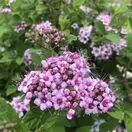
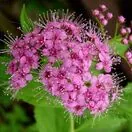
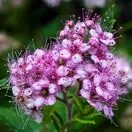
Spiraea japonica 'Little Princess' Bare Root
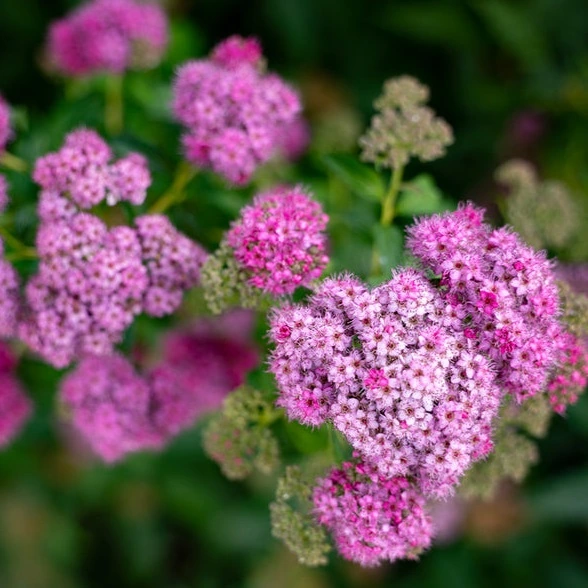
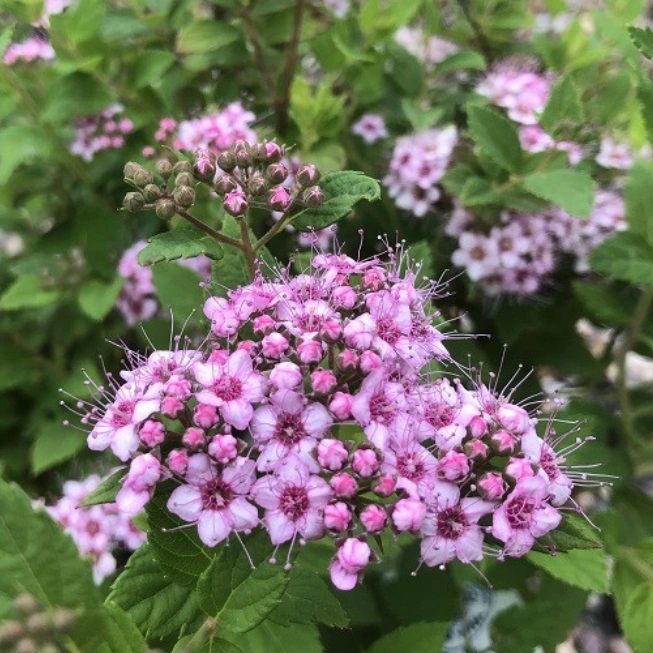
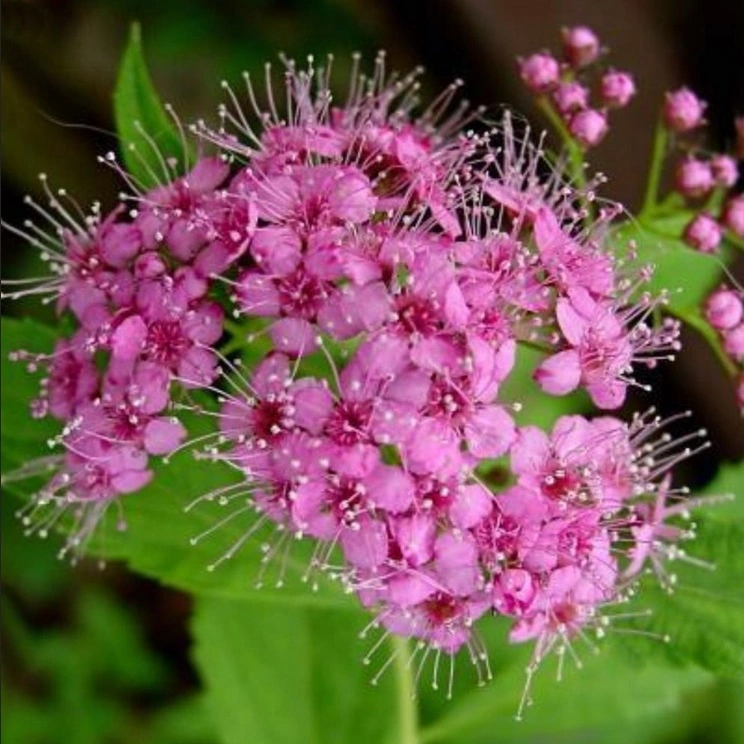
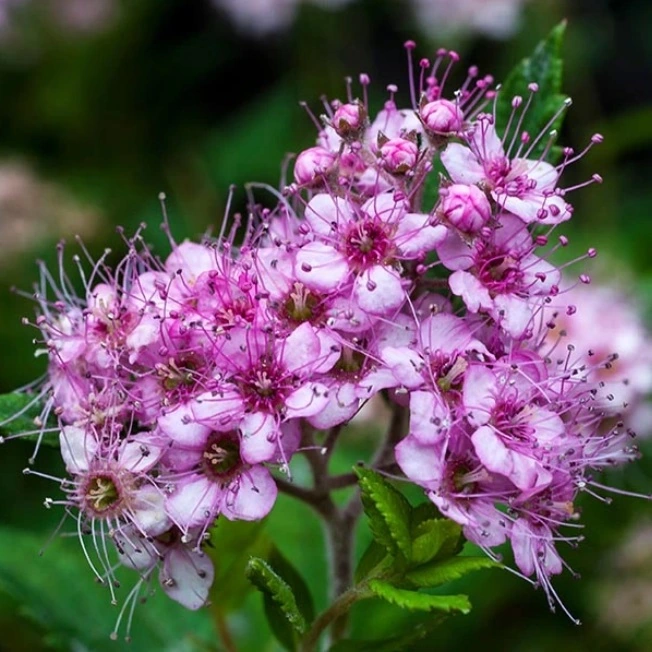
Spiraea 'Little Princess' is a charming, compact shrub that perfectly lives up to its name. This delightful dwarf variety produces masses of soft rose-pink flowers throughout summer, creating a pretty, romantic display from June to August. With its naturally neat, rounded habit and petite size, 'Little Princess' is ideal for the smallest gardens, containers, or front-of-border planting where you need reliable colour without the bulk. This bare root specimen offers exceptional value and establishes readily to provide years of effortless summer beauty.
Key Features
-
Ultra-compact size – the smallest of the summer spiraeas, perfect for tiny gardens
-
Long flowering season – rose-pink blooms from June to August
-
Naturally neat habit – forms a perfect rounded mound with minimal pruning
-
Soft, romantic colour – gentle rose-pink flowers blend beautifully with everything
-
Award-winning – RHS Award of Garden Merit for outstanding performance
-
Very low maintenance – virtually looks after itself
-
Hardy and reliable – performs consistently year after year
-
Pollinator-friendly – attracts butterflies and bees all summer
-
Perfect proportions – ideal for small spaces, edging, and containers
-
Beginner-friendly – one of the easiest shrubs to grow
-
Bare root format – economical and environmentally friendly, available November to March
Growing Conditions
-
Soil type: Tolerates most soils including chalk and clay; prefers well-drained, moderately fertile soil
-
Position: Full sun to partial shade (flowers best in sun)
-
Hardiness: Fully hardy (RHS H6)
-
Aspect: Any
-
Moisture: Moist but well-drained
Size & Growth
-
Mature height: 40-60cm
-
Mature spread: 50-60cm
-
Growth rate: Slow to moderate (10-15cm per year)
-
Time to maturity: 2-3 years to full size
Planting Your Bare Root Spiraea 'Little Princess'
When to plant: November through March, whilst the shrub is dormant and the ground isn't frozen
Planting tips:
-
Soak roots in water for 2-4 hours before planting
-
Dig a hole twice the width of the root system
-
Plant at the same depth as the soil mark on the stem
-
Space 50-60cm apart for low hedging or edging
-
Backfill with native soil mixed with well-rotted compost
-
Water thoroughly after planting
-
Apply a mulch around the base to retain moisture
-
Excellent for containers – use pots at least 30cm diameter
Care & Maintenance
-
Water during dry spells in the first growing season
-
Feed with a general-purpose fertiliser in early spring (optional)
-
Pruning: Light pruning in late winter or early spring (February-March) – trim back by about one-third
-
Alternatively, just remove dead or untidy growth – the plant naturally maintains a neat shape
-
Deadhead spent flowers to encourage continued blooming (optional)
-
Generally pest and disease-free
-
Extremely low maintenance – one of the easiest shrubs to care for
-
Drought-tolerant once established
Seasonal Interest
Late Spring: Fresh green foliage emerges, forming a neat, compact mound
Summer (June-August): Plant becomes covered in flat-topped clusters of soft rose-pink flowers, creating a pretty, romantic display. Flowers fade to pale pink, adding subtle colour variation.
Autumn: Foliage may develop subtle bronze or burgundy tints before falling
Winter: Deciduous; neat twiggy structure with fine reddish-brown stems
Wildlife Benefits
Spiraea 'Little Princess' supports garden pollinators:
-
Flowers provide nectar for butterflies throughout summer
-
Particularly attractive to small tortoiseshells, peacocks, and whites
-
Supports bees and beneficial insects
-
Long flowering period offers consistent food source
-
Compact size creates safe shelter for small creatures
Ideal For
-
Small gardens and tiny spaces
-
Container planting on patios, balconies, and terraces
-
Front-of-border edging
-
Rock gardens and gravel gardens
-
Low informal hedging (under 60cm)
-
Path edging and driveways
-
Raised beds
-
Cottage gardens
-
Japanese-style gardens
-
Low-maintenance schemes
-
Beginner gardeners
-
Confined spaces where larger shrubs won't fit
Design Ideas
-
Perfect edging: Plant in a row for a pretty, flowering border that stays naturally compact
-
Container grouping: Combine several in pots for patio colour
-
Rose companion: Plant beneath standard roses or at the front of rose beds
-
Soft schemes: Mix with lavender, catmint, and soft perennials for romantic planting
-
Path lining: Edge pathways with this neat, non-sprawling shrub
-
Raised beds: Ideal for the front tier where space is limited
-
Ground cover: Mass plant for a low carpet of summer colour
Companion Plants
Create beautiful combinations with:
-
Lavender for complementary purple-pink tones
-
White Japanese anemones for fresh contrast
-
Blue catmint (Nepeta) for harmonious colour
-
Silver-leaved lamb's ear
-
s (Stachys) for textural contrast
-
Hardy geraniums in blues and pinks
-
Ornamental grasses like Stipa tenuissima for movement
Things to Consider
-
Very compact size means it won't provide screening or height
-
Deciduous – no winter interest beyond bare stems
-
Flowers are softer pink than 'Anthony Waterer' (less vibrant)
-
Takes 2-3 years to reach full flowering maturity
-
May be dwarfed by vigorous companions – choose neighbours carefully
-
In shade, flowering will be reduced (though still acceptable)
Why 'Little Princess'?
The perfect name for this petite beauty:
-
Perfectly proportioned – dainty size without being weak
-
Naturally neat – no constant pruning needed
-
Reliable performer – flowers consistently every summer
-
Soft and pretty – gentle colours suit any scheme
-
Royal approval – RHS Award of Garden Merit
Comparison with Other Spiraeas
'Little Princess' vs 'Anthony Waterer':
-
'Little Princess' is half the size (50cm vs 100cm)
-
Softer rose-pink vs deep crimson-pink flowers
-
More tolerant of part shade
-
Neater natural habit
'Little Princess' vs 'Goldflame':
-
'Little Princess' has green foliage (no colour changes)
-
Slightly taller than 'Goldflame' (50cm vs 60cm)
-
Rose-pink vs rosy-pink flowers
-
More shade-tolerant
Container Growing
'Little Princess' is excellent in containers:
-
Perfect size for pots – won't outgrow them quickly
-
Choose containers at least 30cm diameter
-
Use good quality multi-purpose compost
-
Water regularly during summer
-
Feed monthly during flowering season
-
Repot every 3-4 years
-
Prune lightly in spring as normal
-
Ideal for balconies and small patios
Pruning Guide
When to prune: Late winter or early spring (February-March)
How to prune:
-
Light trim to remove any dead or frost-damaged tips
-
Cut back by about one-third if you want to keep it very compact
-
Remove any straggly stems
-
Good news: This variety naturally maintains a neat shape, so pruning is minimal
If left unpruned: Will still flower well and maintain reasonable shape – genuinely low-maintenance
Perfect for Beginners
'Little Princess' is ideal if you're new to gardening:
-
Virtually indestructible
-
Naturally stays neat and tidy
-
Minimal pruning required
-
Tolerates most conditions
-
Hard to go wrong with this one
-
Forgives neglect and mistakes
-
Rewards with months of flowers
Why Choose Bare Root?
Bare root shrubs are lifted from the field during dormancy and supplied without soil around the roots. This traditional method offers several advantages:
-
More economical than container-grown plants
-
Better root development and establishment
-
Lower carbon footprint (no plastic pots or compost)
-
Available during the optimal planting season
-
Establishes quickly once planted
Why Choose Spiraea 'Little Princess'?
The ultimate compact summer shrub:
-
Perfect size – fits where other shrubs can't
-
Ultra-low maintenance – genuinely easy care
-
Long flowering – colour for 8-10 weeks
-
Soft beauty – romantic rose-pink that suits any scheme
-
Versatile – borders, containers, edging, or ground cover
-
Proven excellence – RHS Award of Garden Merit
-
Beginner-proof – ideal first shrub for new gardeners
-
Great value – small price for years of reliable colour
Quick Reference
-
Best feature: Compact size with long summer flowering
-
Best position: Full sun (tolerates part shade)
-
Best time to see it: June-August
-
Pruning time: Late winter/early spring (minimal pruning needed)
-
Skill level required: Beginner-friendly
-
Maintenance level: Very low
-
Perfect for: Small spaces, containers, edging
Meet your garden's new best friend: Spiraea 'Little Princess' – a perfectly petite shrub that delivers soft rose-pink flowers all summer long, stays naturally neat, and asks for almost nothing in return. Ideal for small gardens, containers, and busy gardeners who want beauty without the fuss.
Bare Root is usually dispatched between early November and late March. Exact dates vary year to year depending on the weather. We cannot guarantee availability for a certain date at the beginning or end of the season.
Important Bare Root Care
As soon as you receive your bare root plants place the items upright in a bucket of clean water immediately leaving them for at least 2 hours. Only take plants out as you need them for planting.
Q: When is bare root season?
A: Our bare root season usually runs from November to March but it can depend on the weather conditions, we'd always recommend buying at the end of autumn rather than waiting for spring.
Q: Does the plant size include the roots?
A: No, all bare root plant sizes quoted exclude the roots.
Q: What size plants will I receive?
A: Stock size varies through the season, our 'Plant Size' are give as a guide and you will receive plants somewhere in that range. We are unable to specify exactly how tall the plants will be within that range.
Q: How old will the plants be?
A: Most of our 'Plant Sizes' include the age of the plant, this is shown as a sum e.g. 1+2 which in this case would indicate that the plants are 3 years old. The first number is how long the plant has spent in the seedbed and the second is the number of year it has spent lined out in the field. Where the sum starts with a 0+ this indicates that the plants were grown from a rooted cutting.
Q: Can I get a discount for bulk purchases?
A: We offer a discount banding on bare root plants making them cheaper the more you buy, see the table on each page for details of the price within each band.
Q: Do I need canes?
A: Bamboo canes are perfect for giving young saplings, hedging plants, climbers and other tall shrubs the support they need when they start to establish. Unless you are planting in a completely sheltered spot with very little chance of wind then we would always recommend using a cane for support.
Q: Do I need rabbit guards?
A: Spiral Rabbit Guards are the most popular, low cost tree protection for young saplings, seedlings, transplants and hedging plants from browsing animals such as voles, mice, rabbits and hares. Spiral Rabbit Guards have the ability to grow and expand with the growing tree, providing a sheltered environment for the tree. It's hard to say for certain if you will require the extra protection a rabbit guard provides, if your are aware of a particular pest problem in your planting location then we would recommend using them. Rabbit Guards are not suitable for 'evergreens' please see 'Shrub Shelters' for a suitable evergreen protection method.
Q: What is a shrub/tree shelter?
A: Shrub/Tree Shelters are similar to rabbit guards but are designed for use on evergreens that would sweat and die in rabbit guards. We supply shrub/tree shelters as a kit which includes the shelter, 1 Stake and 2 cable ties, one kit is required per plant.
Q: Do I need shrub/tree shelters?
A: If you are aware of any specific pest problems in your planting area then we would recommend using a shrub/tree shelter to give your young trees or hedging plants that extra protection.
Shrubs are deciduous or evergreen woody plants, and often provide fragrant flowers, berries and foliage. They are good for structural framework, and they can provide a wonderful shelter and food source for wildlife.
Planting and Conditions
Container grown shrubs can be grown at any time of year. It is a little known fact that shrubs planted in the autumn and winter will be easier to look after than those planted in the spring and summer, because they will have time to establish and become hardy in the cooler months.
Plant the shrub at the same depth as it was in its original pot. Planting too deeply can result in root and stem rot.
One of the biggest causes of death in new shrubs is drought stress, so keep it well watered until it’s established.
Make sure you loosen the soil prior to planting. Most shrubs are tolerant of most soil types as long as it is fairly well draining.
Most shrubs will grow happily in containers, but they will be much more demanding on feeding and watering than shrubs in the ground would be. They will also need potting on every couple of years so that they don’t suffocate or become stunted in their pot.
Aftercare and Pruning
Once established, shrubs generally do not require much water. However, at first they need careful, frequent watering and should not be left to dry out.
Shrubs in the ground are generally not demanding and in most cases, annual feeding with general purpose fertilizer will suffice. Shrubs in containers may need more feeding; usually from early spring until late summer.
Shrubs also benefit from mulching in order to supress weeds, conserve moisture and provide vital nutrients. Mulch also greatly improves soil conditions. Shrubs can be mulched in late winter, after fertiliser has been applied, but it can be mulched through autumn to late spring as long as the ground is damp.
All shrubs benefit from dead-heading once spent flowers become apparent. Rhododendrons and Lilac especially benefit from the removal of dead flowers.
Some shrubs may show signs of reverted growth or ‘sporting’. This is where random shoots of different leaves associated with the plant’s parentage begin to appear. Most commonly this is where plants with variegated leaves sprout pure green growths instead of variegated ones.
To control reversion, remove reverted shoots promptly to discourage them. Reverted shoots are usually much more vigorous than the variegated ones, and thus should be completely pruned out and cut back into wood containing variegated foliage.
Potential Issues
Although shrubs are usually very robust garden plants, they can sometimes start to decline with no apparent or obvious reason.
This will start with browning leaves, which could indicate plant stress due to lack of water or waterlogging, an establishment failure or, in the worst case scenario, honey fungus. Another cause of leaf browning is a high salt content in the soil. This could be a natural occurrence, especially if you live near the ocean, or it could be from over fertilisation.
To remedy a high salt content, cut back on fertiliser and step up your watering regime for the next few weeks. If you live by the ocean, this will be harder to remedy—but stepping up your watering will help to wash some of the salt away all the same.
No posts found