
Spiraea Arguta Bare Root - Bridal Wreath
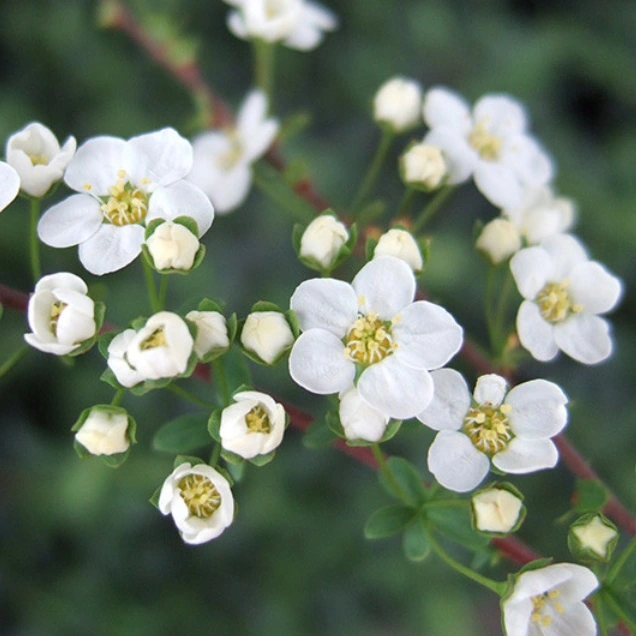
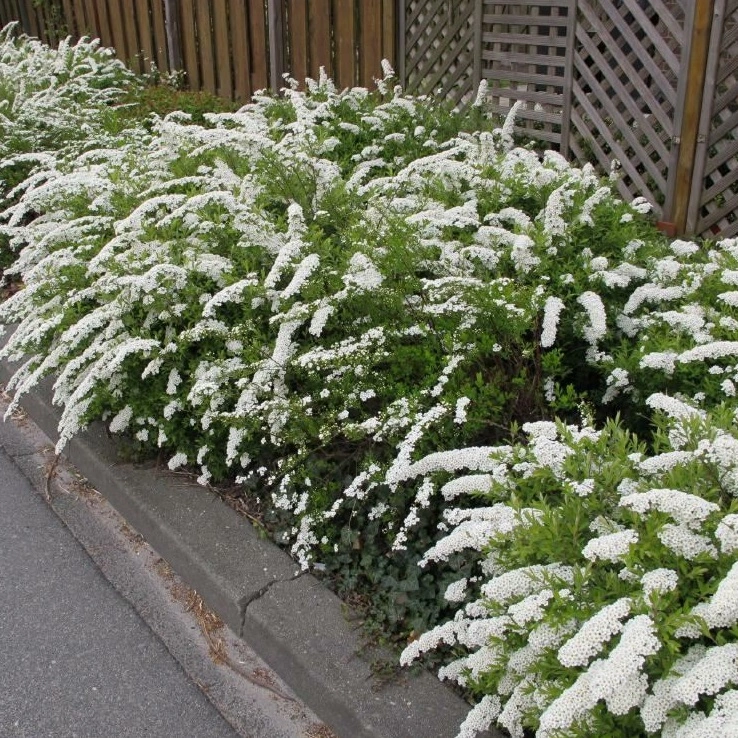
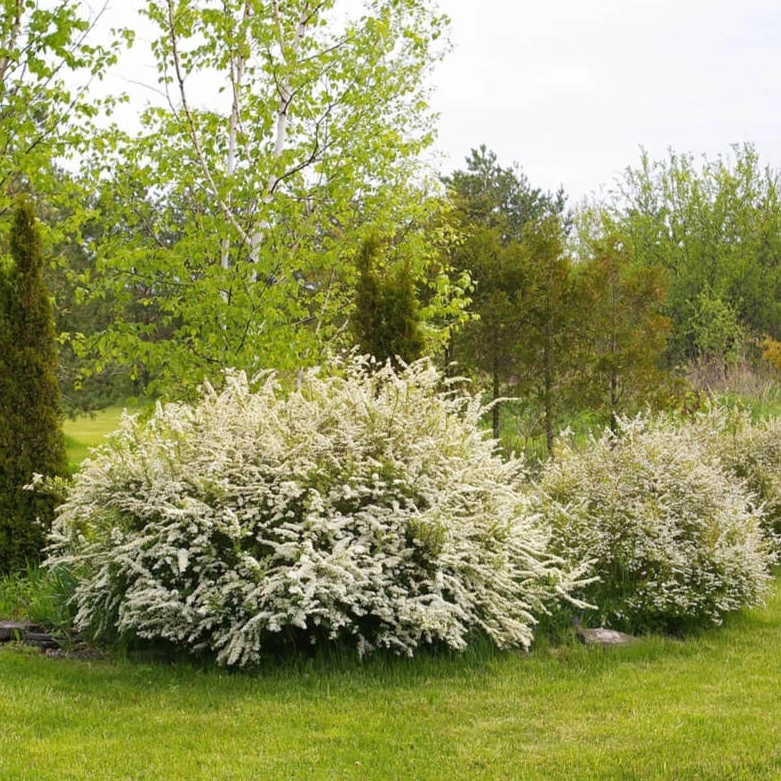
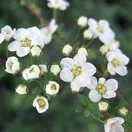
Spiraea arguta, affectionately known as Bridal Wreath, is a spectacular spring-flowering shrub that lives up to its romantic name. In April and May, the entire plant becomes smothered in clusters of pure white flowers, creating a breathtaking waterfall of blossom that cascades along gracefully arching branches. Compact, easy to grow, and reliably beautiful, this bare root specimen is perfect for gardeners seeking a low-maintenance shrub that delivers a stunning spring display year after year.
Key Features
-
Spectacular spring display – masses of pure white flowers in April-May
-
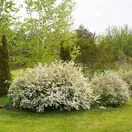
Graceful habit – elegant, arching branches create a fountain-like shape
-
Reliable flowering – performs consistently every year
-
Compact size – perfect for small to medium gardens
-
Low maintenance – easy to grow and requires minimal care
-
Hardy and tough – tolerates a wide range of conditions
-
Award-winning – RHS Award of Garden Merit for outstanding performance
-
Versatile – works in traditional and contemporary gardens
-
Pollinator-friendly – flowers attract bees and other beneficial insects
-
Attractive foliage – fresh green leaves follow the flowers
-
Bare root format – economical and environmentally friendly, available November to March
Growing Conditions
-
Soil type: Tolerates most soils including chalk and clay; prefers well-drained, moderately fertile soil
-
Position: Full sun to partial shade (flowers best in sun)
-
Hardiness: Fully hardy (RHS H6)
-
Aspect: Any
-
Moisture: Moist but well-drained
Size & Growth
-
Mature height: 2-2.5 metres
-
Mature spread: 2-2.5 metres
-
Growth rate: Moderate (20-30cm per year)
-
Time to maturity: 3-4 years to full size
Planting Your Bare Root Spiraea Arguta
When to plant: November through March, whilst the shrub is dormant and the ground isn't frozen
Planting tips:
-
Soak roots in water for 2-4 hours before planting
-
Dig a hole twice the width of the root system
-
Plant at the same depth as the soil mark on the stem
-
Space 1.5-2 metres apart for hedging or group planting
-
Backfill with native soil mixed with well-rotted compost
-
Water thoroughly after planting
-
Apply a mulch around the base to retain moisture
-
No staking required – naturally sturdy growth
Care & Maintenance
-
Water during dry spells in the first growing season
-
Feed with a general-purpose fertiliser in early spring (optional)
-
Pruning: Prune immediately after flowering (late May-June) by removing some of the oldest flowered stems at ground level
-
Flowers on previous year's wood, so never prune in winter or you'll lose the spring display
-
Remove dead or weak growth as needed
-
Generally pest and disease-free
-
Very low maintenance once established
-
Drought-tolerant once mature
Seasonal Interest
Spring (April-May): The spectacular main event – the entire shrub becomes covered in clusters of small, pure white flowers along gracefully arching stems, creating a bridal veil effect
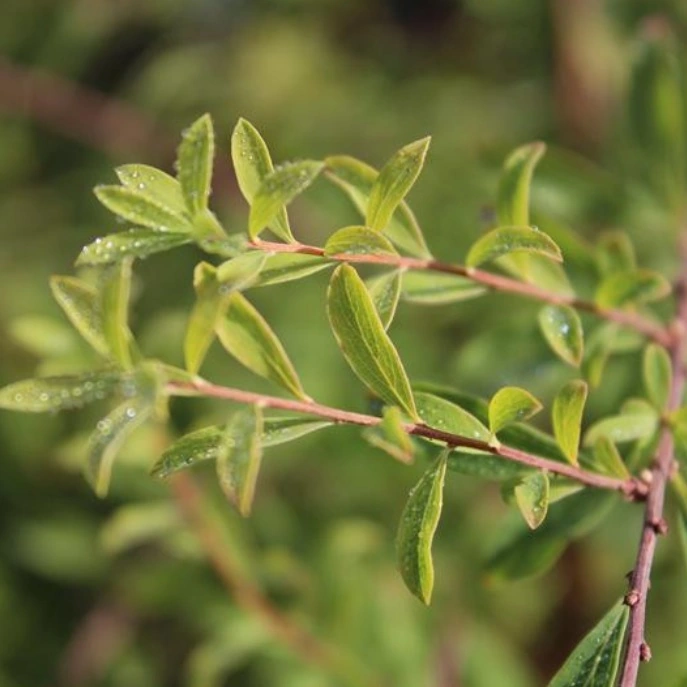
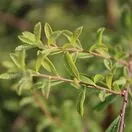
Late Spring: Fresh, bright green, narrowly toothed leaves emerge as flowers fade
Summer: Neat, compact mound of attractive foliage provides a pleasant green backdrop
Autumn: Leaves may develop subtle yellow tints before falling
Winter: Attractive bare branch structure; fine, twiggy stems create a delicate silhouette
Wildlife Benefits
Spiraea arguta offers good wildlife value:
-
Abundant flowers provide nectar and pollen for bees and other pollinators
-
Flowers appear at a crucial time for emerging insects
-
Dense growth offers shelter for small birds
-
Twiggy structure provides nesting opportunities
-
Non-invasive and supports garden ecosystems
Ideal For
-
Mixed shrub borders
-
Spring-flowering displays
-
Informal hedging
-
Cottage gardens
-
Japanese and Oriental-style gardens
-
Contemporary gardens
-
Low-maintenance gardens
-
Small to medium gardens
-
Foundation planting near houses
-
Specimen shrub planting
-
Wedding and romantic-themed gardens
Design Ideas
-
Spring border: Combine with spring bulbs (tulips, daffodils) and forget-me-nots for a fresh white and blue scheme
-
Bridal garden: Perfect for white-themed or wedding gardens
-
Layered planting: Use as a mid-height layer between smaller perennials and taller shrubs
-
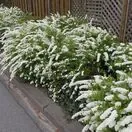
Informal hedge: Plant in a row for a spectacular spring flowering hedge
-
Contemporary minimalism: The clean white flowers work beautifully in modern, minimalist designs
-
Contrast planting: Plant behind purple or dark-leaved plants for maximum impact
Companion Plants
Create beautiful combinations with:
-
Purple or pink tulips for contrasting spring colour
-
Blue forget-me-nots or brunnera at the base
-
Yellow kerria japonica for complementary spring flowers
-
Dark-leaved heucheras for foliage contrast
-
Late-flowering clematis to climb through (for summer interest)
-
Lavender in front for summer continuation
Things to Consider
-
Main display is concentrated in spring (4-6 weeks)
-
Becomes a green mound for the rest of the season
-
Must be pruned at the right time (after flowering) to maintain good flowering
-
Fine, twiggy stems can collect leaves and debris in autumn
-
Takes 2-3 years to reach full flowering potential
-
No autumn colour or winter interest beyond structure
Why 'Bridal Wreath'?
The romantic common name comes from:
-
Pure white flowers symbolising weddings
-
Graceful, cascading habit resembles a wedding veil
-
Traditional use in bridal bouquets and church decorations
-
Flowers at the traditional wedding season (spring)
-
Delicate, romantic appearance perfect for celebrations
Pruning Guide
When to prune: Immediately after flowering (late May to early June)
How to prune:
-
Remove 2-3 of the oldest stems at ground level each year
-
This encourages fresh growth that will flower next spring
-
Can be renovated by cutting entire plant to 30cm if overgrown
-
Never prune in winter – you'll remove the flower buds
If left unpruned: The plant will still flower but may become congested and produce fewer blooms over time
Why Choose Bare Root?
Bare root shrubs are lifted from the field during dormancy and supplied without soil around the roots. This traditional method offers several advantages:
-
More economical than container-grown plants
-
Better root development and establishment
-
Lower carbon footprint (no plastic pots or compost)
-
Available during the optimal planting season
-
Establishes quickly once planted
Why Choose Spiraea Arguta?
The ultimate easy-care spring shrub:
-
Spectacular display – transforms into a cloud of white blossom
-
Reliable performer – flowers abundantly every single year
-
Perfect size – won't outgrow its space
-
Easy to grow – thrives with minimal fuss
-
Versatile style – suits cottage, contemporary, and traditional gardens
-
Proven excellence – RHS Award of Garden Merit
-
Long-lived – provides decades of spring beauty
-
Romantic appeal – the classic "Bridal Wreath" for good reason
Awards & Recognition
-
RHS Award of Garden Merit – recognised for outstanding performance and reliability in UK gardens
-
Consistently highly rated by gardeners for its spectacular spring display
Quick Reference
-
Best feature: Spring flower display
-
Best position: Full sun
-
Best time to see it: April-May
-
Pruning time: After flowering (May-June)
-
Skill level required: Beginner-friendly
Create a spectacular spring celebration with Spiraea arguta 'Bridal Wreath' – an easy-to-grow shrub that transforms into a cascading fountain of pure white blossom every April, bringing romance and beauty to your garden year after year.
Bare Root is usually dispatched between early November and late March. Exact dates vary year to year depending on the weather. We cannot guarantee availability for a certain date at the beginning or end of the season.
Important Bare Root Care
As soon as you receive your bare root plants place the items upright in a bucket of clean water immediately leaving them for at least 2 hours. Only take plants out as you need them for planting.
Q: When is bare root season?
A: Our bare root season usually runs from November to March but it can depend on the weather conditions, we'd always recommend buying at the end of autumn rather than waiting for spring.
Q: Does the plant size include the roots?
A: No, all bare root plant sizes quoted exclude the roots.
Q: What size plants will I receive?
A: Stock size varies through the season, our 'Plant Size' are give as a guide and you will receive plants somewhere in that range. We are unable to specify exactly how tall the plants will be within that range.
Q: How old will the plants be?
A: Most of our 'Plant Sizes' include the age of the plant, this is shown as a sum e.g. 1+2 which in this case would indicate that the plants are 3 years old. The first number is how long the plant has spent in the seedbed and the second is the number of year it has spent lined out in the field. Where the sum starts with a 0+ this indicates that the plants were grown from a rooted cutting.
Q: Can I get a discount for bulk purchases?
A: We offer a discount banding on bare root plants making them cheaper the more you buy, see the table on each page for details of the price within each band.
Q: Do I need canes?
A: Bamboo canes are perfect for giving young saplings, hedging plants, climbers and other tall shrubs the support they need when they start to establish. Unless you are planting in a completely sheltered spot with very little chance of wind then we would always recommend using a cane for support.
Q: Do I need rabbit guards?
A: Spiral Rabbit Guards are the most popular, low cost tree protection for young saplings, seedlings, transplants and hedging plants from browsing animals such as voles, mice, rabbits and hares. Spiral Rabbit Guards have the ability to grow and expand with the growing tree, providing a sheltered environment for the tree. It's hard to say for certain if you will require the extra protection a rabbit guard provides, if your are aware of a particular pest problem in your planting location then we would recommend using them. Rabbit Guards are not suitable for 'evergreens' please see 'Shrub Shelters' for a suitable evergreen protection method.
Q: What is a shrub/tree shelter?
A: Shrub/Tree Shelters are similar to rabbit guards but are designed for use on evergreens that would sweat and die in rabbit guards. We supply shrub/tree shelters as a kit which includes the shelter, 1 Stake and 2 cable ties, one kit is required per plant.
Q: Do I need shrub/tree shelters?
A: If you are aware of any specific pest problems in your planting area then we would recommend using a shrub/tree shelter to give your young trees or hedging plants that extra protection.
Shrubs are deciduous or evergreen woody plants, and often provide fragrant flowers, berries and foliage. They are good for structural framework, and they can provide a wonderful shelter and food source for wildlife.
Planting and Conditions
Container grown shrubs can be grown at any time of year. It is a little known fact that shrubs planted in the autumn and winter will be easier to look after than those planted in the spring and summer, because they will have time to establish and become hardy in the cooler months.
Plant the shrub at the same depth as it was in its original pot. Planting too deeply can result in root and stem rot.
One of the biggest causes of death in new shrubs is drought stress, so keep it well watered until it’s established.
Make sure you loosen the soil prior to planting. Most shrubs are tolerant of most soil types as long as it is fairly well draining.
Most shrubs will grow happily in containers, but they will be much more demanding on feeding and watering than shrubs in the ground would be. They will also need potting on every couple of years so that they don’t suffocate or become stunted in their pot.
Aftercare and Pruning
Once established, shrubs generally do not require much water. However, at first they need careful, frequent watering and should not be left to dry out.
Shrubs in the ground are generally not demanding and in most cases, annual feeding with general purpose fertilizer will suffice. Shrubs in containers may need more feeding; usually from early spring until late summer.
Shrubs also benefit from mulching in order to supress weeds, conserve moisture and provide vital nutrients. Mulch also greatly improves soil conditions. Shrubs can be mulched in late winter, after fertiliser has been applied, but it can be mulched through autumn to late spring as long as the ground is damp.
All shrubs benefit from dead-heading once spent flowers become apparent. Rhododendrons and Lilac especially benefit from the removal of dead flowers.
Some shrubs may show signs of reverted growth or ‘sporting’. This is where random shoots of different leaves associated with the plant’s parentage begin to appear. Most commonly this is where plants with variegated leaves sprout pure green growths instead of variegated ones.
To control reversion, remove reverted shoots promptly to discourage them. Reverted shoots are usually much more vigorous than the variegated ones, and thus should be completely pruned out and cut back into wood containing variegated foliage.
Potential Issues
Although shrubs are usually very robust garden plants, they can sometimes start to decline with no apparent or obvious reason.
This will start with browning leaves, which could indicate plant stress due to lack of water or waterlogging, an establishment failure or, in the worst case scenario, honey fungus. Another cause of leaf browning is a high salt content in the soil. This could be a natural occurrence, especially if you live near the ocean, or it could be from over fertilisation.
To remedy a high salt content, cut back on fertiliser and step up your watering regime for the next few weeks. If you live by the ocean, this will be harder to remedy—but stepping up your watering will help to wash some of the salt away all the same.
No posts found