








Phyllostachys Nigra – Black Bamboo
The most striking bamboo you can grow
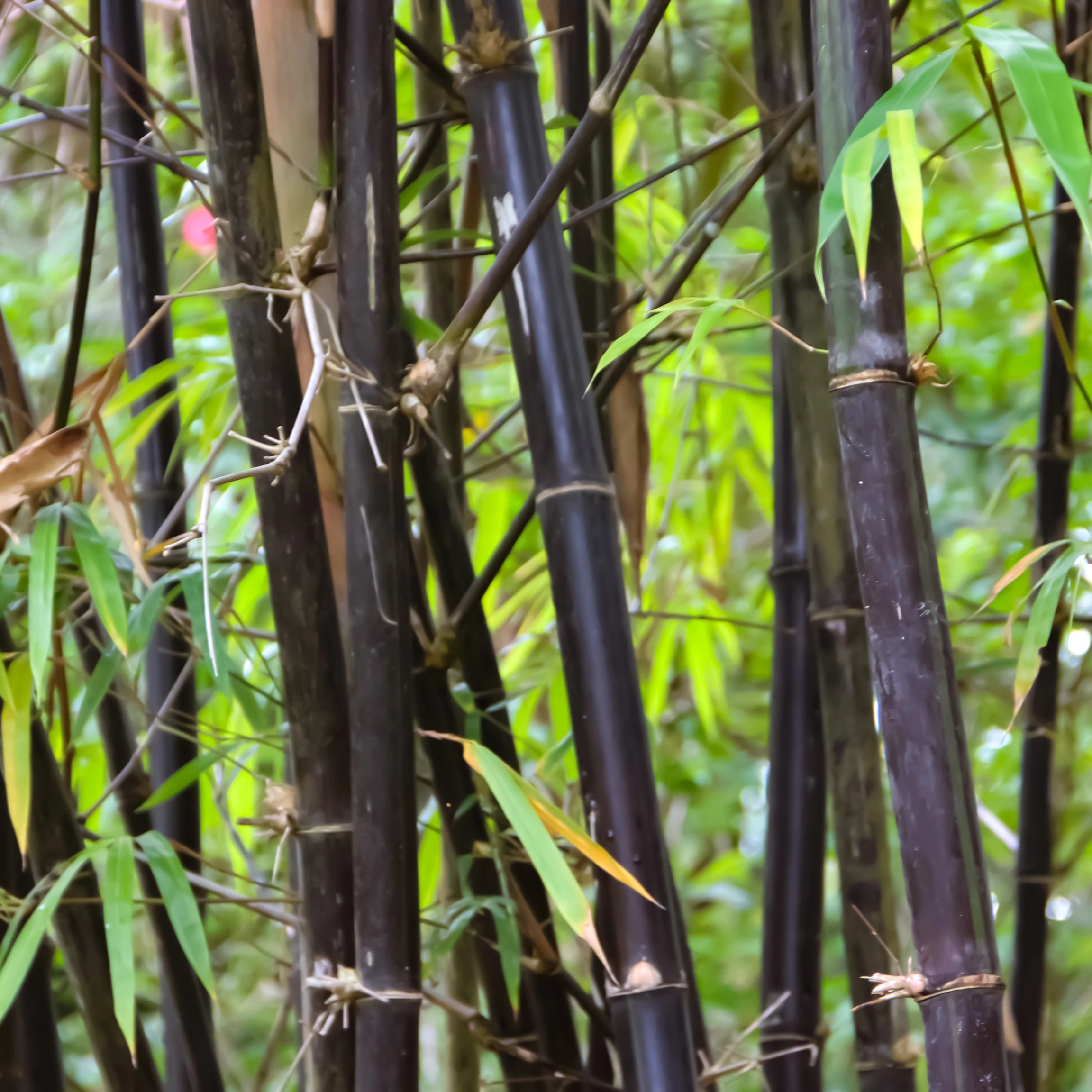
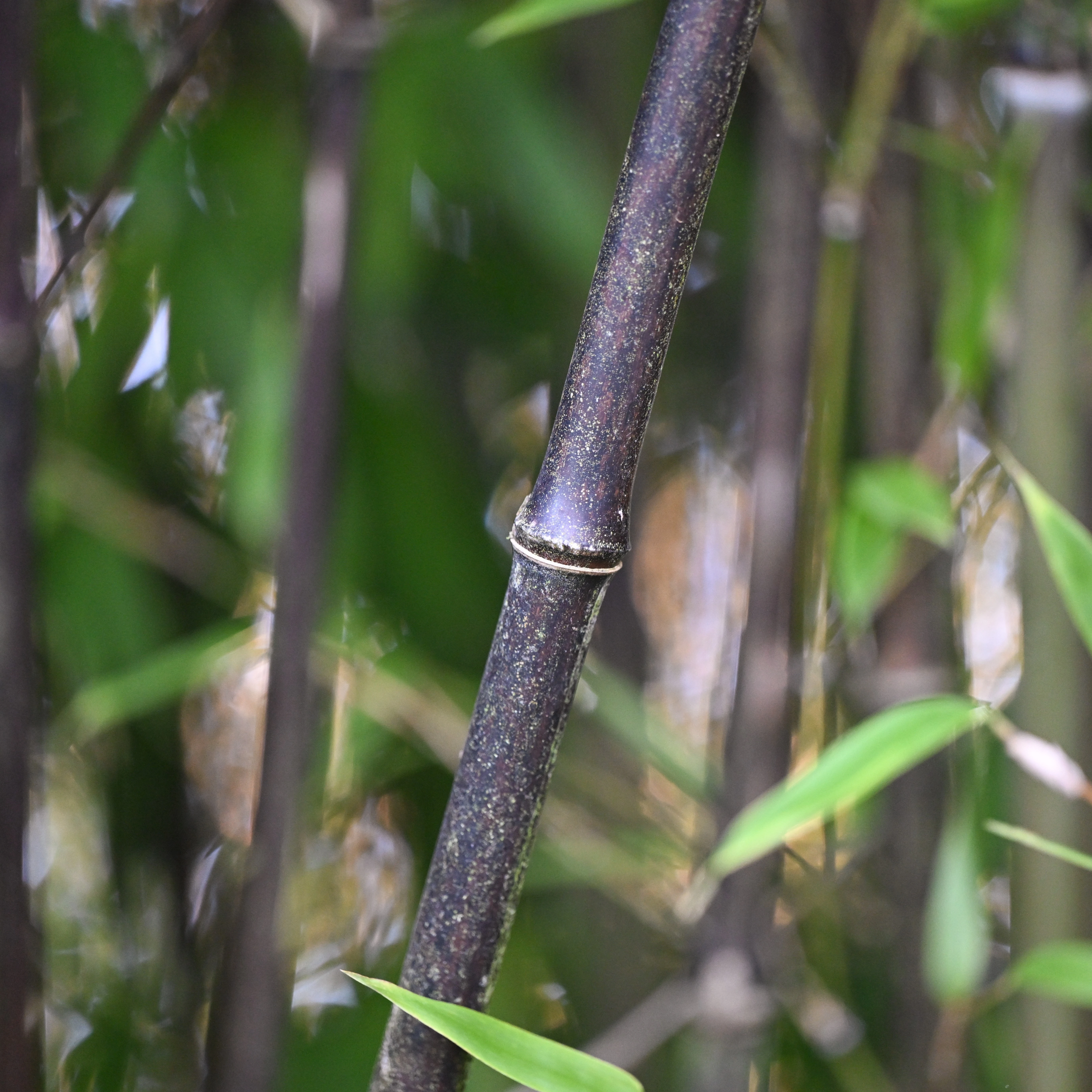
With its glossy, near-black canes and clouds of fresh green foliage, Phyllostachys nigra is one of the most admired and recognisable bamboos in the world. Known simply as black bamboo, it brings instant drama and sophistication to any garden, whether grown as a stand-alone feature, a stylish screen or a statement plant in a large pot. It holds the RHS Award of Garden Merit and has been grown in European gardens for nearly two centuries, making it a tried-and-tested choice for British growers.
The magic of black bamboo lies in its changing colour. New canes emerge a bright green in spring, then gradually darken over their first year or two, becoming mottled and finally a rich, glossy ebony. At any one time you'll see a mix of green and black canes, which adds depth and interest to the clump. The contrast between the dark canes and the delicate, bright green leaves is simply stunning, especially when lit by low sunshine or garden lighting.
Key Features
-
Glossy black canes: Green new canes mature to a deep, shiny black, creating a dramatic focal point
-
Evergreen: Keeps its fine, lush foliage all year round for constant structure and privacy
-
Graceful habit: Tall canes arch gently under the weight of their leaves, giving an elegant, relaxed shape
-
Hardy: Tolerates typical British winters, coping with temperatures down to around -15°C to -18°C
-
Versatile: Equally at home in borders, as screening or in large containers
-
Easily managed height: Can be trimmed to keep it at the height that suits your space
-
Non-toxic: Safe to grow in gardens used by children and pets
Size and Growth
In the ground, black bamboo usually reaches around 4–5 metres in height when mature, though it can grow a little taller in ideal, sheltered conditions and will stay smaller in containers or drier soils. Like most bamboos, it takes a couple of years to settle in, putting its energy into its roots first. Once established, it sends up new canes each spring, with each year's shoots typically taller and thicker than the last.
An important note on spreading
Phyllostachys nigra is often sold as "clump-forming", but it is actually a running bamboo, meaning it can spread by underground stems (rhizomes). In the cooler UK climate it tends to be slow to spread and often stays fairly compact for its first few years, particularly in poorer or drier soils. However, once well established in rich, moist ground, it can become vigorous and start to travel.
To keep it neatly in place, we recommend one of the following:
-
Install a bamboo root barrier: Use a rigid, heavy-duty plastic barrier sunk around 60cm deep, leaving a few centimetres above soil level so you can spot any rhizomes trying to escape over the top
-
Grow it in a large container: A great way to enjoy black bamboo on patios and in smaller gardens with no risk of spreading
-
Check annually: Each autumn, walk around the plant and cut off any wandering rhizomes with a sharp spade
A little planning at the start means you can enjoy this spectacular plant for many years without any worries.
Where to plant it
-
Feature planting: A single clump makes a spectacular centrepiece in a border, courtyard or lawn
-
Privacy screening: Plant in a row to create a tall, elegant screen along fences, walls or boundaries
-
Containers: Looks superb in large, contemporary pots on patios, decking or roof terraces
-
Japanese, tropical and modern gardens: A natural partner for acers, ferns, hostas, grasses such as Hakonechloa and Miscanthus, and exotic plants such as Fatsia and Trachycarpus
-
Mixed bamboo planting: Grow alongside a green-caned bamboo for a striking contrast
-
Near lighting: Uplighting the dark canes creates a beautiful evening effect
Growing conditions
Light: Black bamboo grows well in full sun to partial shade. The canes develop their deepest, glossiest black colour in a sunny position, so give it plenty of light for the best effect.
Soil: It prefers a fertile, moist but well-drained soil that is rich in organic matter. It dislikes both dry ground, where it can become stunted with scorched leaves, and soil that stays waterlogged over winter.
Shelter: Its dainty leaves can be scorched by strong, cold, drying winds, so a sheltered spot will keep it looking its best, particularly through winter.
Planting guide
-
If planting in the ground, install your root barrier first, leaving plenty of room inside it for the plant to grow
-
Dig a hole about twice the width of the root ball and to the same depth
-
Loosen the soil at the base and mix in plenty of well-rotted compost or organic matter
-
Set the plant at the same level it was growing in its pot
-
Backfill, firm in gently and water thoroughly
-
Mulch around the base with bark or compost to hold in moisture and suppress weeds
-
For a screen, space plants roughly 1 metre apart
Caring for your bamboo
Watering: Black bamboo is a thirsty plant and moisture is the key to success. Water regularly throughout the first growing season and during any dry spells after that, keeping the soil consistently moist but never waterlogged. Plants in containers will need frequent watering in summer.
Feeding: Feed with a general-purpose or high-nitrogen fertiliser from late spring through summer to encourage strong new canes and healthy, lush foliage. Container plants benefit from a balanced liquid feed about once a month during the growing season.
Pruning: In spring, remove any weak, dead, damaged or spindly canes at ground level. Thinning out some of the older canes every year or two helps show off the black stems. For an extra-elegant look, many gardeners remove the lower side shoots from the canes up to around 1 metre high so the dark canes are on full display. It can also be trimmed at the top to control its height.
Leaf drop: It's normal for some older leaves to yellow and fall in late autumn and early winter. These are replaced by fresh growth in spring.
Leaf curl: Leaves rolling up in warm weather are a sign the plant needs water, so give it a thorough soak.
Growing in containers
Black bamboo is one of the best bamboos for pots, and container growing is an easy way to enjoy it without any worries about spreading. Choose a large, sturdy container with good drainage holes and use a loam-based, peat-free compost such as John Innes No. 3. Keep it well watered, especially in summer, feed regularly during the growing season and divide or pot on every few years once it becomes congested.
Why choose Phyllostachys nigra?
Few plants make an impact quite like black bamboo. Its glossy ebony canes, graceful shape and year-round greenery give a garden instant style and character, whether you're after a dramatic focal point, a sophisticated screen or a showpiece for the patio. Hardy, adaptable and easy to care for, it's a timeless choice that rewards a little care with years of beauty.
Please Note: Our bamboo pictures are for illustrative purposes only and do not necessarily reflect the height / size of plants you will receive. Plant sizes depend on both the pot size and also the amount of growth of the plant during a particular growing season. In some cases, particularly for fast growing bamboos, this can result in a big difference in height within a single season, meaning any height information we show becomes quickly outdated. For this reason, we generally avoid specifying supplied heights for our bamboos. If you have any questions before making a purchase, please feel free to contact us on 01782 502741.
Buying Bamboo & Grasses from Jacksons Nurseries
At Jacksons Nurseries we sell the majority of our stock all year round. Our stock is for the most part grown outdoors making it far hardier than those grown under glass and/or only sold ‘In Season’. With Bamboo and Grasses the leaves can differ in quality dependent on the time of the year and whether they are in their growth phase. We protect less hardy species during the winter but other plants grown out doors may have some wind damage. This is in no way detrimental to the plant and will grow out naturally in spring.
Availability: Stock availability figures are provided as a guide only. There is a delay between orders being placed and the plants being gathered by our pulling team. During this time it may be possible for a member of the public to purchase these plants from our Garden Centre, while this is rare it is a possibility and we will notify you of any problems as soon as possible. This figure may also include plants that have not yet be flagged as unsaleable.
Pre-order: Pre-order times are given as a guide only and may vary dependent on the growing season. Orders containing Pre-ordered products will be shipped as a single order when all items become available. Large orders may be part shipped, please contact us on 01782 502741 or email sales@jacksonsnurseries.co.uk.
Bamboo has become quite popular in recent years and is used as an alternative to more tradition hedging or screens. They can also make a striking focal point when grown in isolation. Most bamboo varieties are fully hardy and will tolerate most soil types, thriving in moist, well-drained soil and placed in a sheltered spot.
Bamboo should ideally be planted in spring to give it the best chance of producing strong, new canes in summer. While most bamboo is evergreen the plants will become dormant during autumn and winter.
Types of Bamboo
There are two main types of Bamboo, they are classed as either ‘running’ or ‘clump-forming’.
Running bamboo are often referred to as invasive bamboos because they produce large stems (rhizomes) which grow away from the plant in all directions and can spread rampantly if not contained.
Running Bamboos: Arundinaria, Bashania, Chimonobambusa, Clavinodum, Hibanobambusa, Indocalamus, Phyllostachys, Pleioblastus, Pseudosasa, Sasa, Sasaella, Sasamorpha, Semiarundinaria, Sinobambusa and Yushania.
Clump-forming bamboos in contrast have roots that form in tight clumps which mean they are far less invasive.
Clump-forming Bamboos: Bambusa, Chusquea, Dendrocalamus, Drepanostachyum, Fargesia, Himalayacalamus, Schizostachyum, Shibataea and Thamnocalamus.
Planting & Aftercare
While spring is the ideal time to plant bamboo, it is possible to plant potted stock throughout the year providing you avoid any ground frost. Before planting dig in some organic matter like manure or garden compost then dig the planting hole slightly larger than the plants roots and deep enough so the roots sit slightly lower to allow 2-3cm of soil to cover the top of them.
When back filling around the edges ensure that the new roots are not damaged. Water well following planting and add mulch to protect the roots.
Water your bamboo regularly especially during dryer periods. Each spring feed your bamboo with a nitrogen rich fertiliser and for the rest of the season a well balanced fertiliser is recommended until the end of summer.
While bamboos require little maintenance they can look unsightly if left to their own devices. You can prevent them from becoming a nuisance with little effort. Remove any weak, damaged or dead canes in spring by cutting them back to ground level and remove any debris at the base of the clumps at the same time. Once the plant is established you can remove some of the foliage from the bottom of the plant to show off the decorative canes of some varieties.
Possible Problems
In general bamboos are usually problem free however they may occasionally suffer from rust or root rot.
Bamboo shoots can pop up anywhere in your garden, neighbouring gardens and even through solid barriers such as drives, patios and conservatory floors. Normal weed suppressants will not stop bamboo from spreading. Although they do not tend to spread as much as running bamboo, clump-forming bamboo varieties can grow out of control.
In rare cases your Bamboo may flower and while it can look dramatic it isn’t good news for the plant. Most Bamboos will die after flowing and while this isn’t always the case the chance of recovery is very low. If you do spot the odd flowering shoot cut it out as soon as you see it to discourage more from forming. If the entire clump starts to flower the best course of action is to let it continue which feeding and watering, cut the clump back to ground level and feed with a nitrogen rich fertiliser to help encourage new growth.
No posts found
| Size | Availability | Price | ||
|---|---|---|---|---|

|
In stock
|
£19.99 | ||
|
|
In stock
|
£39.99 | ||
|
|
In stock
|
£59.99 | ||
|
|
In stock
|
£48.99 |