Buy Myrtus comm. Glanleam  online from Jacksons Nurseries

Myrtus communis Glanleam

Chilean myrtle

£14.99
37456
Out of stock
Wishlist

At a Glance

Luma apiculata 'Glanleam Gold' (Chilean Myrtle)

Award-Winning Variegated Evergreen Shrub with Stunning Bark and Fragrant Flowers

Transform your garden with Luma apiculata 'Glanleam Gold', an exceptional variegated Chilean myrtle that delivers year-round interest through its stunning cream-margined foliage, beautiful cinnamon-coloured peeling bark, and delicate white fragrant flowers. This RHS Award of Garden Merit winner produces glossy green leaves with cream-yellow edges that are tinged with pink when young, creating a spectacular display that brightens the garden throughout the seasons whilst providing architectural structure and aromatic appeal.


Key Features

  • Plant Type: Hardy evergreen shrub or small tree
  • Height: 3m 
  • Spread: 3m 
  • Flowering Period: July to August 
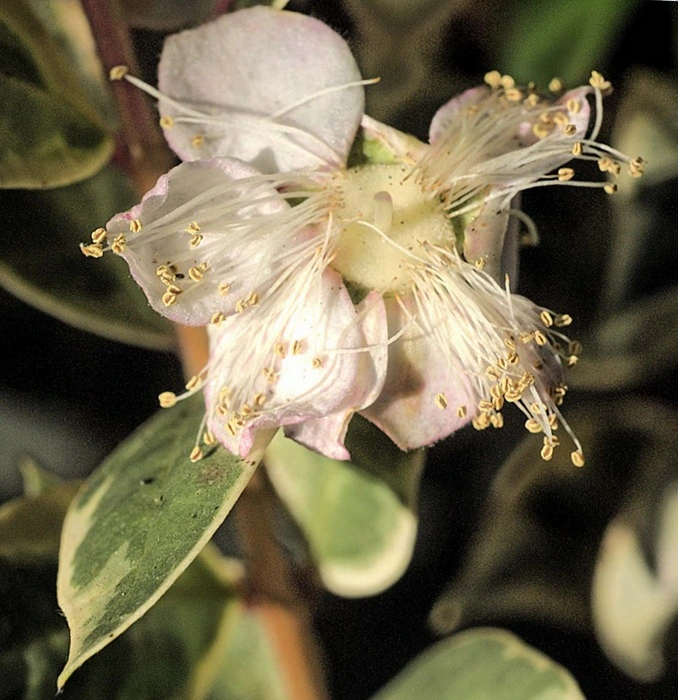
  • Flower Size: Small white flowers with golden stamens
  • Flower Colour: White with prominent golden stamens
  • Foliage: Glossy green with cream-yellow margins, pink-tinged when young
  • HardinessHardy in the UK down to temperatures of -10 to -5 degrees Celcius (RHS hardiness rating H4)
  • Growth Habit: Upright, bushy, dense growth


Outstanding Variegated Foliage

'Glanleam Gold' is renowned for its exceptional variegated foliage that provides year-round colour and interest. The elliptic green leaves are margined with a creamy white colour, whilst the bright green leaves are edged with creamy-yellow and tinged with pink when young. This remarkable colour combination creates a luminous effect that brightens shaded areas and provides constant visual interest throughout the seasons.


Spectacular Peeling Bark Display

One of the most distinctive features of 'Glanleam Gold' is its stunning bark display. The bark of this shrub is lovely peeling, cinnamon colour bark which adds extra interest to this garden plant. With cinnamon and cream coloured peeling bark, this architectural feature provides exceptional winter interest and year-round structural appeal that sets it apart from other evergreen shrubs.


Delicate Fragrant Flowers

Slightly fragrant, white flowers appear from midsummer to autumn, providing an extended flowering period that complements the variegated foliage beautifully. Small white flowers with golden stamens create a delicate display against the cream-margined leaves, adding seasonal charm to the permanent foliage interest.


Attractive Berry Display

The flowers are followed by red berries ripening to purple, providing additional seasonal interest and wildlife value. The colourful berries create an attractive contrast against the variegated foliage, extending the ornamental season well into autumn and winter.


Aromatic Qualities

Aromatic, variegated gold/cream/green leaves provide the classic myrtle fragrance when crushed or brushed against, making it perfect for planting alongside pathways or seating areas where the delightful scent can be appreciated. The aromatic qualities enhance the sensory garden experience.


Flexible Size Management

Will grow to 3 metres, but can be clipped to keep a more compact shape if desired. This adaptability makes it suitable for various garden applications, from specimen trees to clipped hedging, providing excellent flexibility for different garden situations and design requirements.


Growing Requirements

  • Soil and Position: Luma apiculata Glanleam Gold needs a mild climate to thrive and it grows well near the coast if sheltered from cold winds. Prefers well-drained soil in a sheltered position with protection from harsh winds and extreme cold.
  • Light Requirements: Thrives in full sun to partial shade, with the variegated foliage performing best in bright conditions. Some protection from intense afternoon sun in hot climates helps maintain the cream margins and prevents scorching.
  • Soil Preferences: Adapts to various soil types but performs best in moist, well-drained soil with good organic content. Tolerates slightly alkaline to acidic conditions but struggles in waterlogged or extremely dry soils.


Care and Maintenance

  • Pruning Requirements: Requires minimal pruning due to its naturally attractive growth habit. Light pruning in late spring can help maintain shape and encourage bushy growth. Can be clipped regularly if using as formal hedging.
  • Watering Requirements: Moderate water requirements once established. Water regularly during establishment and dry periods, maintaining consistent moisture levels without waterlogging.
  • Fertilising Programme: Apply a balanced slow-release fertiliser in spring to support healthy growth and enhance the variegated foliage colour. Avoid high-nitrogen fertilisers which may reduce the cream margins.


Design Applications

  • Specimen Plantings: Excellent as a standalone specimen where the variegated foliage, peeling bark, and fragrant flowers can be fully appreciated. The architectural interest makes it perfect for creating focal points in garden designs.
  • Mixed Borders: Perfect for adding year-round colour and structure to mixed borders, where the variegated foliage provides a bright backdrop for other plants whilst the evergreen nature ensures consistent interest.
  • Coastal Gardens: Particularly suitable for coastal gardens where the tolerance to salt spray and maritime conditions makes it valuable for seaside plantings when provided with shelter from cold winds.
  • Hedge and Screen Plantings: Ideal for creating attractive evergreen hedges that provide privacy whilst delivering spectacular variegated foliage and seasonal flowers. The dense growth habit ensures effective screening.


Seasonal Interest

  • Spring Growth: New growth emerges with pink-tinged cream margins, creating a spectacular display of fresh foliage that brightens the garden after winter dormancy.
  • Summer Spectacle: The fragrant white flowers with golden stamens appear from midsummer, creating a delicate display against the cream-margined leaves whilst filling the garden with subtle fragrance.
  • Autumn Transformation: Red berries ripen to purple, providing colourful contrast against the variegated foliage whilst the peeling bark becomes more prominent as other plants fade.
  • Winter Structure: The evergreen variegated foliage and spectacular peeling bark provide exceptional winter interest, making it one of the most valuable plants for year-round garden structure.


Award Recognition

This variety has received the RHS Award of Garden Merit, recognising its exceptional garden performance, reliability, and ornamental value. This prestigious award confirms its suitability for British gardens and its outstanding characteristics.


Hardiness and Protection

Hardy in mild areas but requires protection from harsh winds and extreme cold. In borderline hardy locations, choose a sheltered position and consider the microclimate carefully to ensure successful establishment and long-term performance.


Mature Size Expectations

The plant reaches approximately 3m in height and 2m in spread when mature, developing into an attractive small tree or large shrub with dense branching. The growth rate is moderate, allowing time for garden design adjustments.


Why Choose 'Glanleam Gold'?

Luma apiculata 'Glanleam Gold' represents the perfect combination of variegated foliage, architectural bark interest, and fragrant flowers in a single outstanding plant. The RHS Award of Garden Merit recognition, combined with exceptional year-round interest and coastal tolerance, creates a shrub that provides maximum garden impact with distinctive character.

This award-winning variety offers exceptional value for gardeners seeking permanent colour and structure with the added benefits of fragrant flowers and stunning bark display. Whether used as specimen plantings, hedging, or mixed border features, 'Glanleam Gold' provides the perfect balance of variegated foliage, architectural interest, and garden reliability that makes it an essential addition to any garden seeking truly remarkable year-round appeal with contemporary distinction.


Buying Shrubs from Jacksons Nurseries

At Jacksons Nurseries we sell a variety of shrubs both evergreen and deciduous with a variety of flowering times throughout the year. At certain times of the year our shrubs you buy from us may not look like the images shown on our website when deciduous leaves have fallen, the shrub has finished flowering or has been trimmed back.

Some leaves on evergreen shrubs can be damaged in winter by frost or harsh winds but in spring new leaves will readily replace those damaged. This is quite normal on many evergreen varieties and is preferable to plants grown with excessive protection that show cold shock once planted out and establish less satisfactory initially.

Availability: Stock availability figures are provided as a guide only. There is a delay between orders being placed and the plants being gathered by our pulling team. During this time it may be possible for a member of the public to purchase these plants from our Garden Centre, while this is rare it is a possibility and we will notify you of any problems as soon as possible. This figure may also include plants that have not yet be flagged as unsaleable.

Pre-order: Pre-order times are given as a guide only and may vary dependent on the growing season. Orders containing Pre-ordered products will be shipped as a single order when all items become available. Large orders may be part shipped, please contact us on 01782 502741 or email sales@jacksonsnurseries.co.uk.

* Please Note: Shrubs in 20 litre pots and above might require a pallet delivery starting at £79.99 per pallet. Depending on the exact pot size and height it may be possible to get approximately 5 plants per pallet at no extra cost. The maximum height we can dispatch on a pallet is 2.0m, this includes the height of the pallet and pot.

Shrubs are deciduous or evergreen woody plants, and often provide fragrant flowers, berries and foliage. They are good for structural framework, and they can provide a wonderful shelter and food source for wildlife.

Planting and Conditions

Container grown shrubs can be grown at any time of year. It is a little known fact that shrubs planted in the autumn and winter will be easier to look after than those planted in the spring and summer, because they will have time to establish and become hardy in the cooler months.

Plant the shrub at the same depth as it was in its original pot. Planting too deeply can result in root and stem rot.

One of the biggest causes of death in new shrubs is drought stress, so keep it well watered until it’s established.

Make sure you loosen the soil prior to planting. Most shrubs are tolerant of most soil types as long as it is fairly well draining.

Most shrubs will grow happily in containers, but they will be much more demanding on feeding and watering than shrubs in the ground would be. They will also need potting on every couple of years so that they don’t suffocate or become stunted in their pot.

Aftercare and Pruning

Once established, shrubs generally do not require much water. However, at first they need careful, frequent watering and should not be left to dry out.

Shrubs in the ground are generally not demanding and in most cases, annual feeding with general purpose fertilizer will suffice. Shrubs in containers may need more feeding; usually from early spring until late summer.

Shrubs also benefit from mulching in order to supress weeds, conserve moisture and provide vital nutrients. Mulch also greatly improves soil conditions. Shrubs can be mulched in late winter, after fertiliser has been applied, but it can be mulched through autumn to late spring as long as the ground is damp.

All shrubs benefit from dead-heading once spent flowers become apparent. Rhododendrons and Lilac especially benefit from the removal of dead flowers.

Some shrubs may show signs of reverted growth or ‘sporting’. This is where random shoots of different leaves associated with the plant’s parentage begin to appear. Most commonly this is where plants with variegated leaves sprout pure green growths instead of variegated ones.

To control reversion, remove reverted shoots promptly to discourage them. Reverted shoots are usually much more vigorous than the variegated ones, and thus should be completely pruned out and cut back into wood containing variegated foliage.

Potential Issues

Although shrubs are usually very robust garden plants, they can sometimes start to decline with no apparent or obvious reason.

This will start with browning leaves, which could indicate plant stress due to lack of water or waterlogging, an establishment failure or, in the worst case scenario, honey fungus. Another cause of leaf browning is a high salt content in the soil. This could be a natural occurrence, especially if you live near the ocean, or it could be from over fertilisation.

To remedy a high salt content, cut back on fertiliser and step up your watering regime for the next few weeks. If you live by the ocean, this will be harder to remedy—but stepping up your watering will help to wash some of the salt away all the same. 

2206
£11.99
2-3 Litre pot
Lavender Hidcote Overview Lavender Hidcote is arguably the most famous and widely grown English lavender variety, renowned for its...
In stock
+
Wishlist
455
£9.99
1.3-2 Litre pot
This is an outstanding, daylily bearing slender, branched stems of stunning, trumpet-shaped, deep pink blooms repeatedly from July to September. These are...
In stock
+
Wishlist

No posts found

Write a Review

You may also like