

Hemerocallis fulva 'Flore Pleno'
Hemerocallis fulva ‘Flore Pleno’ is a bold and long-lived daylily, known for its striking double orange flowers and reliable, easy-care nature. With clump-forming foliage and a strong summer display, this variety brings colour, structure, and resilience to borders, beds, and informal planting schemes.
At a Glance
Type: Herbaceous perennial
Common Name: Double Daylily
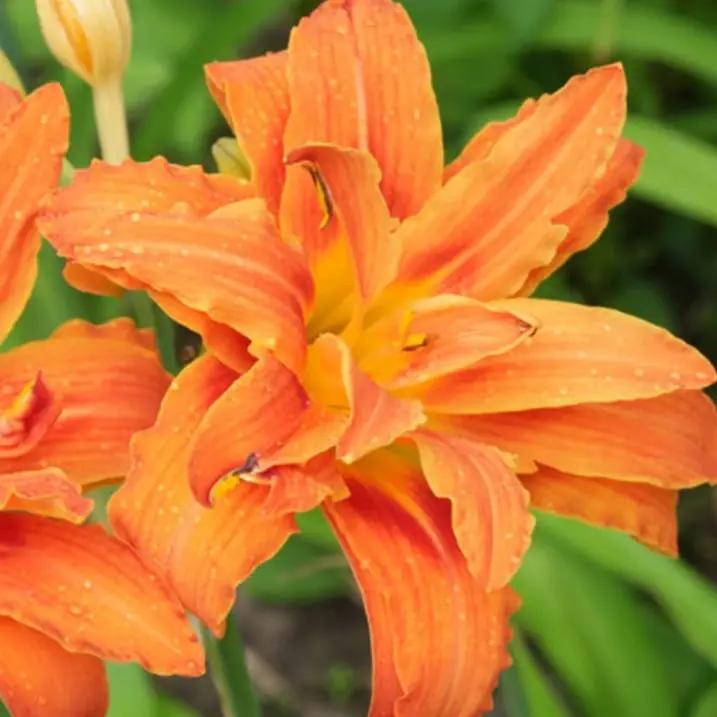
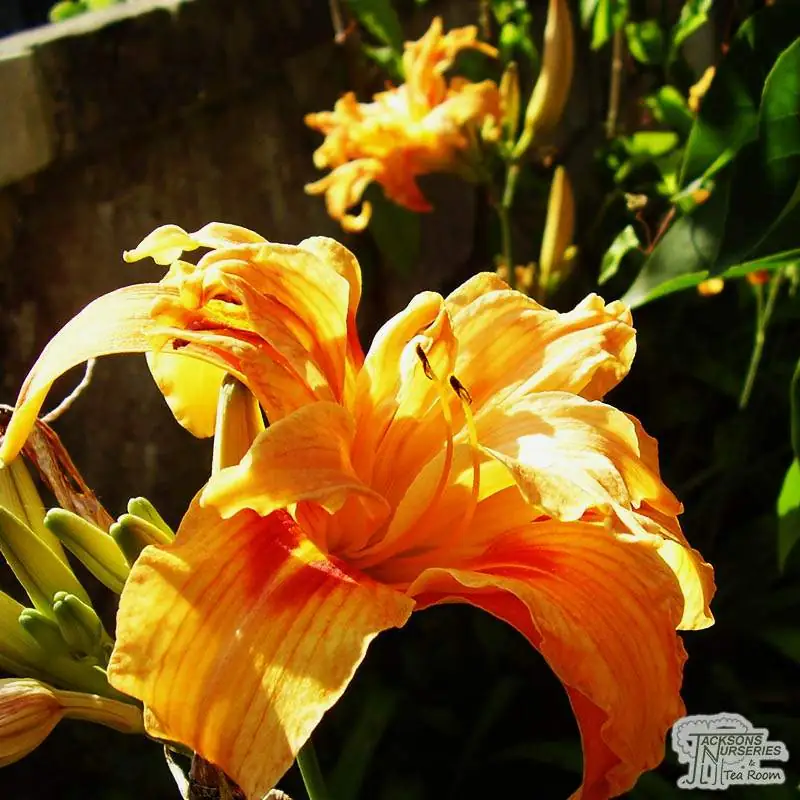
Flower Colour: Rich orange with ruffled, double petals
Height: 80cm (2.6ft)
Spread: 75cm (2.4ft)
Flowering Time: July to August
Hardiness: Hardy in the UK down to temperatures of -20 degrees Celcius (RHS hardiness rating H7)
Position: Full sun or partial shade
Soil: Moist, well-drained soil; adaptable to most soil types
Striking Double Blooms
‘Flore Pleno’ is a double-flowered form of the common daylily, producing large, trumpet-shaped blooms with layers of rich orange petals and a slightly ruffled edge. Each flower lasts just one day—hence the name daylily—but the plant produces many buds over several weeks, offering a sustained and vibrant summer display.
A Tough and Trouble-Free Perennial
This daylily is a superb choice for gardeners seeking a fuss-free plant that thrives in a wide range of conditions. It tolerates drought, poor soils, and neglect once established, making it ideal for low-maintenance gardens, urban plots, or cottage-style borders.
Versatile and Clump-Forming
Hemerocallis ‘Flore Pleno’ forms dense, grass-like mounds of strap-shaped foliage that look attractive even when not in flower. It works beautifully in mixed borders, at the edge of woodland gardens, or as a colourful solution for difficult spots. It’s also suitable for large containers and looks stunning when planted in drifts.
Pollinator Friendly
While the double blooms may offer less nectar than single varieties, daylilies are still visited by bees and other beneficial insects. Their bright colour and extended flowering season help to support pollinators through the summer months.
Growing Tips
Watering: Water regularly during dry spells in the first season. Once established, it is drought tolerant.
Potted: grown in pots can be planted at any time of the year providing the ground is not frozen or waterlogged
Feeding: Apply a general-purpose fertiliser in spring to encourage strong growth and flowering.
Pruning: Remove spent flower stalks to keep the plant tidy. Cut back foliage in late autumn or early spring.
Dividing: Divide every 3–5 years in spring or autumn to rejuvenate and prevent overcrowding.
Positioning: Best in full sun but will tolerate light shade, particularly in hotter areas.
Fully Hardy and Long-Lived
Hemerocallis fulva ‘Flore Pleno’ is fully hardy throughout the UK and thrives with minimal attention. It is long-lived, returning reliably year after year and forming larger clumps over time that can be lifted and divided to create more plants.
Perfect Companions
Pair ‘Flore Pleno’ with:
-
Crocosmia ‘Lucifer’ – for fiery contrast and staggered flowering
-
Achillea ‘Moonshine’ – to soften the brightness with lemon yellow tones
-
Echinops ritro – for a spiky blue accent and pollinator appeal
-
Alchemilla mollis – to add frothy, ground-hugging foliage at the base
Why Choose Hemerocallis fulva ‘Flore Pleno’?
This classic double daylily is a hardy, resilient, and richly coloured perennial that delivers impressive summer colour with minimal effort. Its adaptability, strong structure, and long life make it an excellent choice for gardeners of all skill levels.
Plant Hemerocallis fulva ‘Flore Pleno’ for vibrant double blooms, easy-going reliability, and long-lasting summer interest in any sunny or lightly shaded garden space.
Buying Perennials from Jacksons Nurseries
At Jacksons Nurseries we lightly trim back our perennials after flowering and trim them back at the end of the season to ensure that the plants remain neat and tidy whilst in the pot. The more tender the plant the less we cut back to help protect exposed stems from winter frost. Depending on the plant variety we will then prune back further in spring once the risk of the more severe frosts is over.
As a result, depending on the time of year you buy perennials, they may not look like images showing their ‘prime time’ in flower and looking at their best.
From late autumn onwards and dependent on variety, there may be very little visible above the soil except for a few cut back dormant leaves or stems. It is perfectly normal for dormant plants to look like this from autumn onwards, they will however burst back into life in spring.
Availability: Stock availability figures are provided as a guide only. There is a delay between orders being placed and the plants being gathered by our pulling team. During this time it may be possible for a member of the public to purchase these plants from our Garden Centre, while this is rare it is a possibility and we will notify you of any problems as soon as possible. This figure may also include plants that have not yet be flagged as unsaleable.
Pre-order: Pre-order times are given as a guide only and may vary dependent on the growing season. Orders containing Pre-ordered products will be shipped as a single order when all items become available. Large orders may be part shipped, please contact us on 01782 502741 or email sales@jacksonsnurseries.co.uk.
Perennials are described and classified differently by different gardeners but all would agree that they are plants that come into flower every year from early spring to late summer, the exact time dependent on variety and most die back to ground level in autumn and winter.
As for all plants, soil preparation is time well spent. Dig over the area to be planted ensuring that the ground is free draining. If not then you may wish to either consider planting in a different spot or raising the level of the planting area by adding additional topsoil, well rotted garden compost and/or well rotted manure. Add ‘Fish, Blood and Bone’ fertiliser or a high potash fertiliser to encourage good root growth and development.
It’s always a good idea to plant a few of the same plant together, we recommend planting in 3’s or 5’s to provide a bold effect but allowing them plenty of room to develop.
Always check eventual plant heights when planning borders to ensure that the taller plants are at the back (or at the centre of an island bed) followed by the medium and then smaller low growing plants.
Remember to deadhead perennials after flowering, trim back lightly in autumn as required to tidy the border and if necessary trim again in spring once the risk of heavy frost has passed.
If perennials get too big, start to flower less and less or if it seems to be dying off from the centre, consider dividing the plant but always check that the particular variety is happy to be divided and that you divide at the right time of year for the plant.
By using this simple guide and a little time, perennials can make an absolutely spectacular difference to your garden.
No posts found