


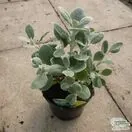

Brachyglottis 'Walberton's Silver Dormouse' - Silver Ragwort
Overview
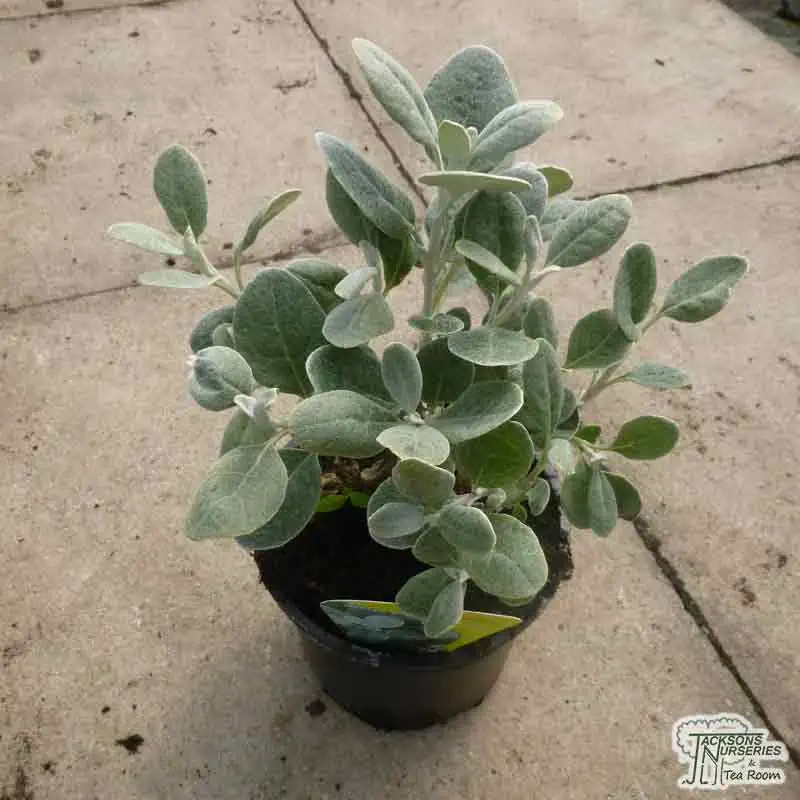
Brachyglottis 'Walberton's Silver Dormouse', commonly known as Silver Ragwort or Senecio, is an outstanding evergreen shrub that brings year-round structural beauty and summer colour to British gardens. This big improvement on old varieties features larger leaves, more silvery foliage and leaves held all the way to the base of the plant, solving the common problem of older varieties developing bare centres. This holder of the much coveted RHS Award of Garden Merit combines exceptional drought tolerance with stunning visual appeal, making it perfect for contemporary garden design and challenging growing conditions.
Key Features
Height & Spread: 1-1.2 metres tall and 1-1.5 metres wide when mature
Growth Rate: Moderate, reaching full size in 3-4 years
Flowering Period: June to September
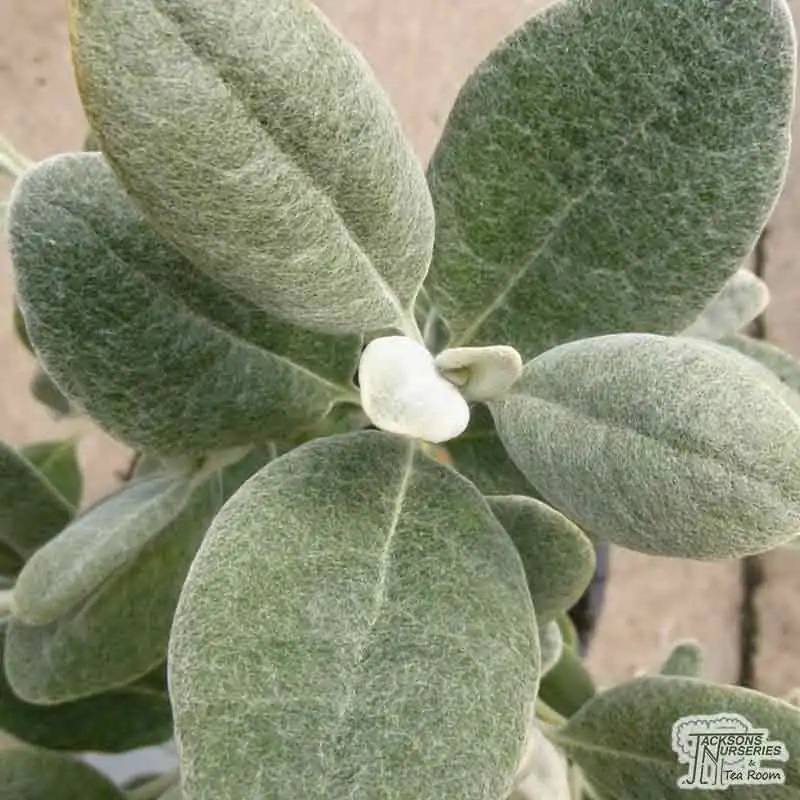
Foliage: Evergreen, intensely silver-grey with felted texture
Hardiness: Hardy through most of the UK apart from inland valleys, at altitude and central/northerly locations
Appearance & Characteristics
Foliage
The plant's most striking feature is its intensely silver-grey felted leaves that maintain their colour throughout the year. The oval shaped leaves of light green and grey colouring are almost furry to touch, created by a dense covering of fine silvery hairs that give the plant its distinctive appearance. Unlike older varieties, the foliage remains dense right to the base of the plant, creating a consistently attractive mound.
Flowers
The evergreen foliage is topped with bright yellow, daisy-like flowers from June to July and these come back year after year. The intense golden yellow of the flowers from June through July set against a backdrop of its silver grey foliage make a stunning addition to any garden. The flowers are excellent for attracting bees and butterflies, and can continue sporadically into September.
Growth Habit
This resilient shrub forms a natural mound of silvery-grey leaves, creating a compact, dense, and bushy structure. It has a bushy, compact, evergreen shrub of upright habit, suitable for container growing, making it versatile for different garden applications.
Growing Conditions
Soil Requirements
-
Drainage: Does well in average and well-drained soil
-
pH: Tolerates a wide range of soil pH levels
-
Fertility: Thrives in poor to moderately fertile soils
-
Texture: Suitable for most soil types, particularly good in gravelly conditions
Light Requirements
-
Full sun: Prefers full sun for best foliage colour and flowering
-
Partial shade: Or partial shade is tolerated but may reduce flowering intensity
-
Coastal conditions: Excellent for coastal planting
Climate Tolerance
Drought tolerant once established. Prefers to be dry in summer, making it ideal for water-wise gardening. Hardy from winter frosts and very tolerant, though may suffer foliage damage and stem dieback in harsh winters in cold gardens.
Planting & Care
When to Plant
-
Best time: Potted Brachyglottis can be planted at any time of the year, providing the ground is not frozen or waterlogged and its not excessively windy.
-
Container plants: Can be planted year-round with adequate watering
Planting Instructions
-
Choose a sunny, well-drained location
-
Dig a hole twice the width of the root ball and the same depth
-
Ensure good drainage by adding grit to heavy soils
-
Position the plant at the same level it was growing in the container
-
Backfill with native soil mixed with compost if desired
-
Water thoroughly and apply light mulch
Ongoing Care
-
Watering: Grows well with sun and regular - low water
-
Feeding: Light annual spring feed with balanced fertiliser
-
Mulching: Light organic mulch helps with establishment
Pruning & Maintenance
When to Prune
Annually after flowering to maintain shape and encourage fresh growth.
Pruning Techniques
-
Regular maintenance: Trim or lightly cut back shoots that spoil symmetry. Deadhead regularly
-
Shape maintenance: Light pruning to maintain the natural mounded form
-
Deadheading: Regular removal of spent flowers encourages continued blooming
Special Considerations
Unlike older Senecio varieties, 'Silver Dormouse' does not suffer from brown and dead leaves in the centre of the plant, reducing maintenance requirements.
Uses in the Garden
Specimen Planting
Perfect as a focal point in mixed borders where its silver foliage provides excellent contrast to green-leaved plants.
Container Growing
Makes a great landscape plant but also looks great as a premium container specimen, ideal for patios and courtyard gardens.
Gravel Gardens
Suitable for gravel planting and Mediterranean-style gardens where its drought tolerance is particularly valuable.
Coastal Gardens
Compact and excellent for coastal planting, tolerating salt spray and windy conditions.
Mixed Borders
Excellent for providing year-round structure and creating colour contrasts with darker foliage plants.
Companion Plants
Silver Dormouse combines beautifully with:
-
Purple foliage: Heuchera, purple-leaved Berberis, or Cotinus
-
Mediterranean herbs: Lavender, rosemary, or sage
-
Ornamental grasses: Festuca glauca, Stipa, or fountain grass
-
Hot colours: Orange marigolds, red salvias, or yellow rudbeckia
-
Architectural plants: Yucca, phormium, or agapanthus
Seasonal Interest
Spring
Fresh silver-grey foliage provides instant structure as other plants emerge from winter dormancy.
Summer
Bright yellow daisy flowers in summer to autumn create spectacular contrast against the silver foliage.
Autumn
Continued flowering into early autumn, with foliage maintaining its silver colour.
Winter
Evergreen structure provides valuable winter interest when many other plants are dormant.
Wildlife Value
For Garden Wildlife
-
Pollinators: Yellow daisy flowers are excellent for bees and butterflies
-
Birds: Seed heads provide food if left uncut in autumn
-
Beneficial insects: Dense structure provides shelter and overwintering sites
Special Features
Unique Characteristics
-
Improved genetics: Bred to eliminate the bare centre problem of older varieties
-
Award winner: RHS Award of Garden Merit recognition
-
Texture contrast: Exceptional silver foliage provides unique garden texture
-
Low maintenance: We often recommend the Brachyglottis Silver Doormouse to gardeners due to its ease of growing
Garden Design Value
-
Creates excellent structural elements in contemporary gardens
-
Provides year-round colour and texture
-
Perfect for drought-tolerant and Mediterranean-style plantings
-
Excellent for creating colour themes with silver and yellow combinations
Cultivation Tips
Getting the Best Results
-
Plant in the sunniest, most well-drained spot available
-
Avoid rich, moisture-retentive soils
-
Allow adequate space for the mature spread
-
Regular light pruning maintains the best shape
Common Mistakes to Avoid
-
Overwatering, especially in winter
-
Planting in shade where foliage colour fades
-
Heavy feeding which can reduce flowering
-
Neglecting to deadhead regularly
Summary
Brachyglottis 'Walberton's Silver Dormouse' represents a significant improvement over older silver-leaved shrubs, combining outstanding ornamental value with practical reliability. Its exceptional drought tolerance, year-round structure, and stunning summer flower display make it invaluable for contemporary gardens, particularly those following Mediterranean or gravel garden themes. We often recommend the Brachyglottis Silver Doormouse to gardeners due to its ease of growing, and its RHS Award of Garden Merit confirms its outstanding garden performance. Whether used as a specimen plant, container subject, or part of mixed plantings, this remarkable shrub delivers consistent beauty with minimal maintenance, making it perfect for busy gardeners who want maximum impact with minimum effort.
Buying Shrubs from Jacksons Nurseries
At Jacksons Nurseries we sell a variety of shrubs both evergreen and deciduous with a variety of flowering times throughout the year. At certain times of the year our shrubs you buy from us may not look like the images shown on our website when deciduous leaves have fallen, the shrub has finished flowering or has been trimmed back.
Some leaves on evergreen shrubs can be damaged in winter by frost or harsh winds but in spring new leaves will readily replace those damaged. This is quite normal on many evergreen varieties and is preferable to plants grown with excessive protection that show cold shock once planted out and establish less satisfactory initially.
Availability: Stock availability figures are provided as a guide only. There is a delay between orders being placed and the plants being gathered by our pulling team. During this time it may be possible for a member of the public to purchase these plants from our Garden Centre, while this is rare it is a possibility and we will notify you of any problems as soon as possible. This figure may also include plants that have not yet be flagged as unsaleable.
Pre-order: Pre-order times are given as a guide only and may vary dependent on the growing season. Orders containing Pre-ordered products will be shipped as a single order when all items become available. Large orders may be part shipped, please contact us on 01782 502741 or email sales@jacksonsnurseries.co.uk.
* Please Note: Shrubs in 20 litre pots and above might require a pallet delivery starting at £79.99 per pallet. Depending on the exact pot size and height it may be possible to get approximately 5 plants per pallet at no extra cost. The maximum height we can dispatch on a pallet is 2.0m, this includes the height of the pallet and pot.
Shrubs are deciduous or evergreen woody plants, and often provide fragrant flowers, berries and foliage. They are good for structural framework, and they can provide a wonderful shelter and food source for wildlife.
Planting and Conditions
Container grown shrubs can be grown at any time of year. It is a little known fact that shrubs planted in the autumn and winter will be easier to look after than those planted in the spring and summer, because they will have time to establish and become hardy in the cooler months.
Plant the shrub at the same depth as it was in its original pot. Planting too deeply can result in root and stem rot.
One of the biggest causes of death in new shrubs is drought stress, so keep it well watered until it’s established.
Make sure you loosen the soil prior to planting. Most shrubs are tolerant of most soil types as long as it is fairly well draining.
Most shrubs will grow happily in containers, but they will be much more demanding on feeding and watering than shrubs in the ground would be. They will also need potting on every couple of years so that they don’t suffocate or become stunted in their pot.
Aftercare and Pruning
Once established, shrubs generally do not require much water. However, at first they need careful, frequent watering and should not be left to dry out.
Shrubs in the ground are generally not demanding and in most cases, annual feeding with general purpose fertilizer will suffice. Shrubs in containers may need more feeding; usually from early spring until late summer.
Shrubs also benefit from mulching in order to supress weeds, conserve moisture and provide vital nutrients. Mulch also greatly improves soil conditions. Shrubs can be mulched in late winter, after fertiliser has been applied, but it can be mulched through autumn to late spring as long as the ground is damp.
All shrubs benefit from dead-heading once spent flowers become apparent. Rhododendrons and Lilac especially benefit from the removal of dead flowers.
Some shrubs may show signs of reverted growth or ‘sporting’. This is where random shoots of different leaves associated with the plant’s parentage begin to appear. Most commonly this is where plants with variegated leaves sprout pure green growths instead of variegated ones.
To control reversion, remove reverted shoots promptly to discourage them. Reverted shoots are usually much more vigorous than the variegated ones, and thus should be completely pruned out and cut back into wood containing variegated foliage.
Potential Issues
Although shrubs are usually very robust garden plants, they can sometimes start to decline with no apparent or obvious reason.
This will start with browning leaves, which could indicate plant stress due to lack of water or waterlogging, an establishment failure or, in the worst case scenario, honey fungus. Another cause of leaf browning is a high salt content in the soil. This could be a natural occurrence, especially if you live near the ocean, or it could be from over fertilisation.
To remedy a high salt content, cut back on fertiliser and step up your watering regime for the next few weeks. If you live by the ocean, this will be harder to remedy—but stepping up your watering will help to wash some of the salt away all the same.